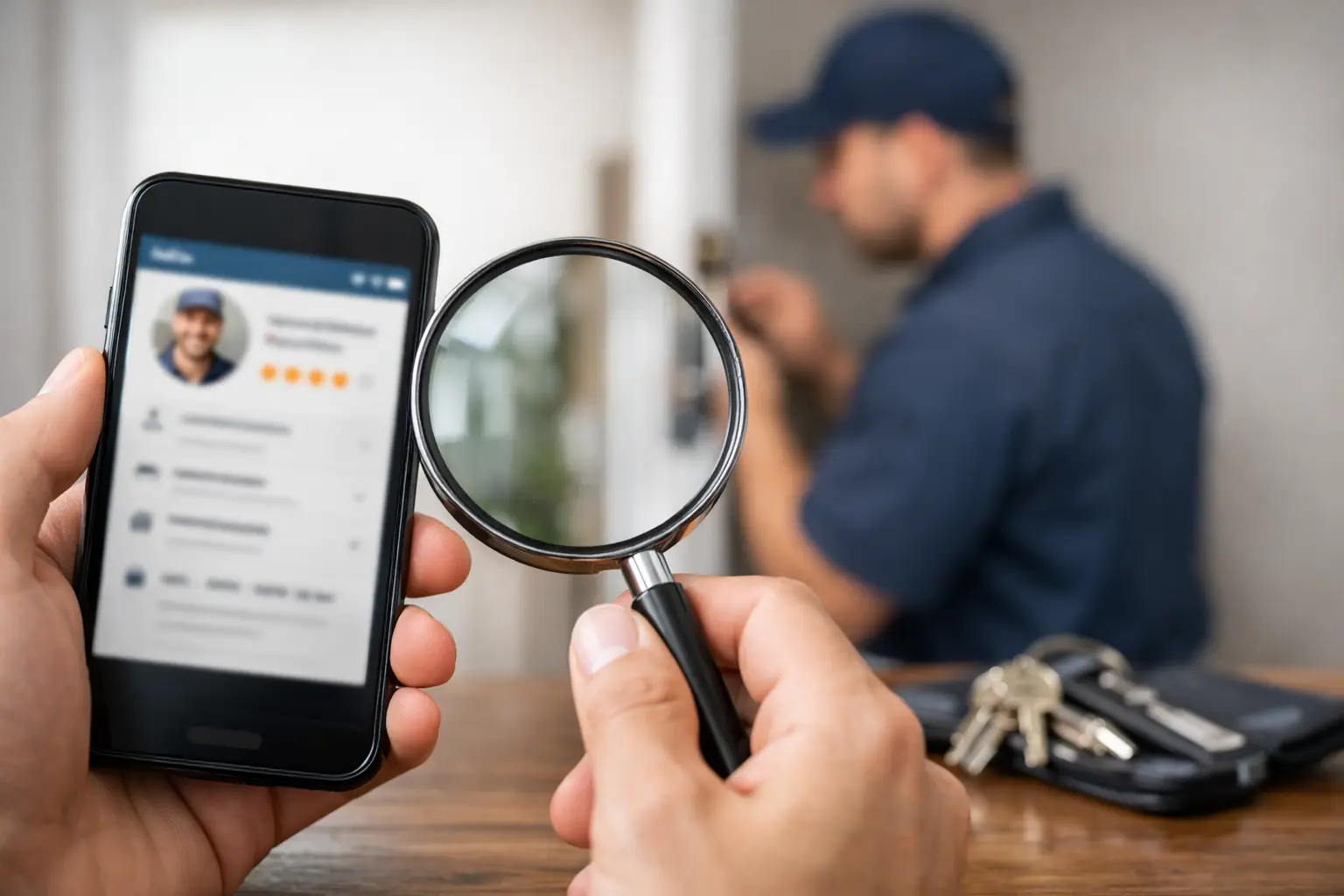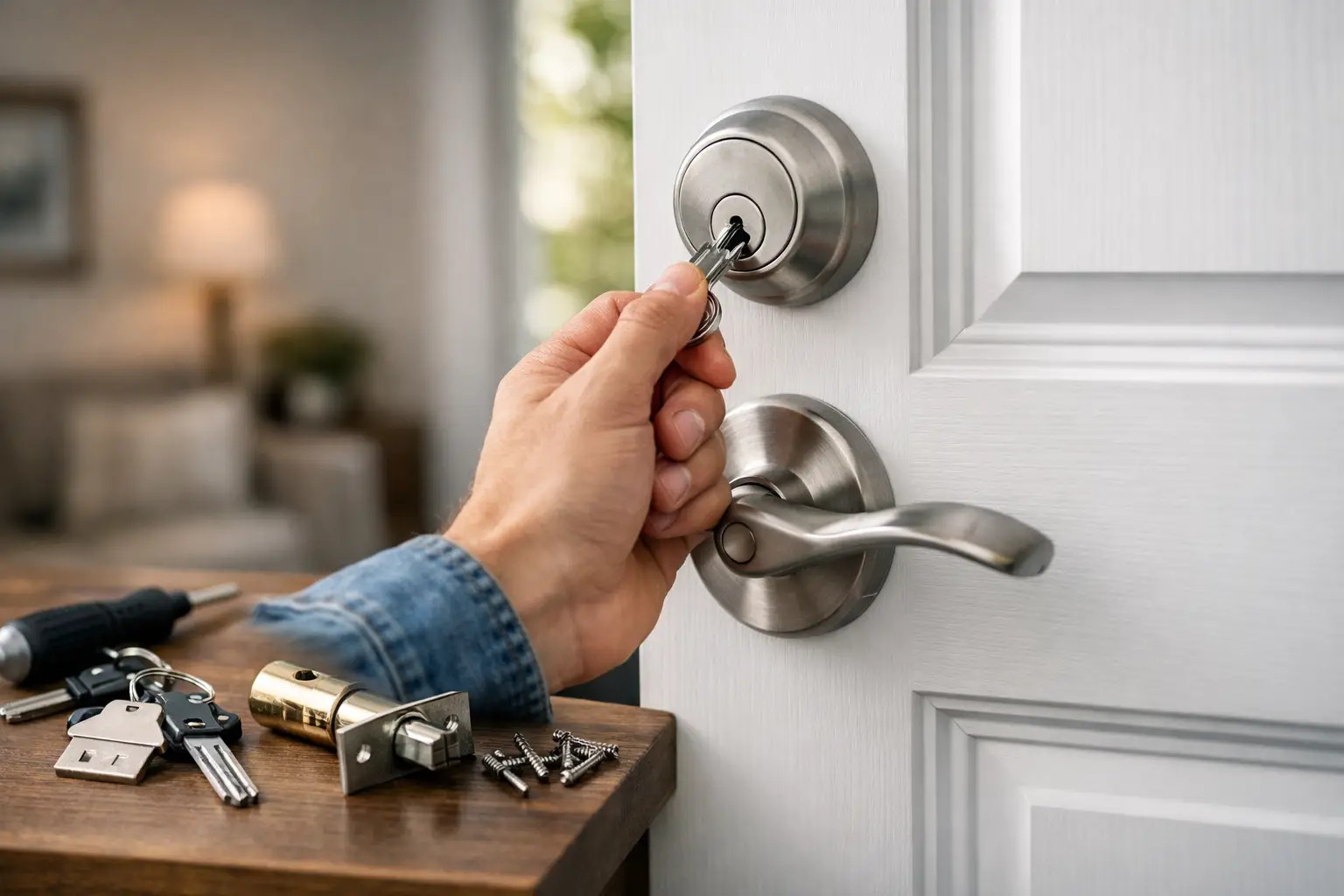

The boxes may still be stacked in the hallway, but your exterior-door security cannot wait. Former owners, contractors, cleaners, neighbors, and real estate agents may still have copies of your keys. This new homeowner lock guide explains what to handle first, what can wait, and when a professional locksmith is the safest choice.
Start With the Keys You Did Not Receive
Closing day does not guarantee that you have the only working keys. Even when a seller hands over two or three copies, there is no reliable way to know how many others exist. A hidden spare key, an old tenant, a dog walker, or a contractor from a past renovation could still have access.
Rekeying is usually the first security step for a new homeowner. A locksmith changes the internal pins in the existing lock cylinder so the old keys stop working. You receive a new key, while the lock hardware often stays in place. This is typically faster and less expensive than replacing a lock that is still in good condition.
Do not limit the job to the front door. Check every exterior entry point, including the back door, side gate, garage-to-house door, basement entrance, patio slider, and any door connecting an attached garage to the living area. If the home has a detached office, workshop, or storage building, secure those as well.
There are times when replacement makes more sense than rekeying. If a lock is corroded, loose, difficult to turn, visibly damaged, or paired with a weak deadbolt, rekeying will not solve the underlying problem. A professional inspection can identify whether the issue is the cylinder, the latch, the strike plate, the door alignment, or the hardware itself.
New Homeowner Lock Guide: Inspect Every Door
A door is only as secure as its weakest component. A quality deadbolt cannot fully protect a door if the strike plate is held in place with short screws or if the frame is split near the latch. Walk through the property during daylight and operate each exterior door from both sides.
Look for a deadbolt that extends fully into the frame and turns without forcing it. The latch should line up cleanly with the strike plate. A door that needs to be lifted, pushed, or pulled hard before it locks may have alignment issues. Forcing the key or thumb turn can wear out the lock and leave you locked out later.
Pay attention to the screws in the strike plate and hinges. Long screws that reach into the wall framing provide more holding strength than short screws that only grip the door trim. On outward-swinging doors, exposed hinge pins may need security hinges or another appropriate solution. The right upgrade depends on the door construction, local conditions, and how the opening is used.
Sliding glass doors deserve special attention. Confirm the primary lock engages properly, then check whether the door can be lifted out of its track or forced open when locked. A properly fitted secondary security device can help, but it should not prevent a safe emergency exit. Do not improvise with equipment that can jam the door or create a hazard for family members.
Garage doors are often overlooked because homeowners focus on the front entrance. If you received remote controls, erase old remote programming when possible and set up new codes according to the opener manufacturer’s instructions. Treat the door from the garage into the house as an exterior door. It should have dependable locking hardware and should not be left unsecured simply because the garage door is closed.
Decide Whether Your Locks Need an Upgrade
Not every new home needs all-new locks. Good hardware that is properly installed, in working order, and rekeyed to your control may be exactly what the property needs. Replacing hardware without checking the door and frame can spend money without improving the real weak point.
An upgrade is worth considering when locks are worn, mismatched, low quality, or unable to support the security level you want. Homes with multiple exterior doors may benefit from having compatible locks keyed alike. That means one key can operate several doors, reducing key clutter while still keeping the property secure.
Smart locks can be practical for busy households, rental properties, and homeowners who want to manage access without making extra keys. They can allow temporary codes for a cleaner, family member, or service professional. The trade-off is that electronic hardware requires battery maintenance, correct installation, and a backup plan if the device malfunctions. Choose a lock with a physical key override and make sure everyone in the household understands how to use it.
For a rental unit, guest suite, or property with frequent visitors, controlled access is especially valuable. Still, convenience should not replace sound door hardware. A smart lock installed on a warped door or weak frame will not perform as intended.
Control Copies, Codes, and Spare Keys
Once your locks are rekeyed or replaced, decide who genuinely needs a key. Give copies only to trusted household members and keep track of them. If a key goes missing, act quickly rather than hoping it turns up. Rekeying one affected lock is often a straightforward way to restore control.
Avoid obvious hiding places such as under a mat, flowerpot, fake rock, or loose porch decoration. These locations are familiar to anyone looking for an easy entry. A better option may be leaving a spare with a trusted nearby person, using a secure key storage solution suited to your property, or relying on a properly managed electronic access code.
If you use keypad locks, change any factory code immediately. Do not use a birthday, address number, or simple sequence that can be guessed. Remove temporary codes after a project is complete, especially after renovations. Contractors often need access during a job, but that access should not remain open indefinitely.
Plan for the First Lockout Before It Happens
New homeowners are busy, distracted, and carrying groceries, tools, and moving supplies. That is when keys get left inside, a deadbolt accidentally gets engaged, or a garage remote goes missing. Planning ahead prevents a stressful moment from becoming a damaged door or broken window.
Save the contact information for a qualified local locksmith before you need one. If you are locked out, avoid forcing the lock, drilling hardware, or trying online tricks with improvised tools. Those methods can damage the door, weather stripping, lock cylinder, and frame, often costing more than a professional service call.
A trained mobile locksmith can evaluate the situation on-site and use the least destructive method appropriate for the lock. If replacement is necessary, you should understand why before work begins. Ask for clear pricing, verify credentials, and choose a provider that treats your home and existing hardware with care.
YES Locksmith serves homeowners in Daly City, San Francisco, and nearby Bay Area communities with mobile rekeying, lock repair, replacement, and emergency lockout service. Licensed, bonded, and insured technicians can help secure the property without unnecessary damage to doors or locks.
Do Not Forget the People Inside the Home
Security should never make it harder for your household to leave safely in an emergency. Every adult and older child should know which doors can be used for exit and where keys are kept if a lock requires one from the inside. Be cautious about adding double-cylinder deadbolts or other hardware that requires a key to exit. In some situations, that design may conflict with fire-safety requirements or create a serious risk during an emergency.
If you recently moved into a home with children, aging parents, roommates, or frequent guests, walk through the locking routine together. Show everyone how to lock the doors, use the garage access, and handle the alarm or smart-lock backup method. Clear routines reduce both accidental lockouts and avoidable security gaps.
Your home should feel settled long before the last box is unpacked. Rekey the doors, correct hardware problems, and keep access under your control now, so an old key never becomes someone else’s way back in.