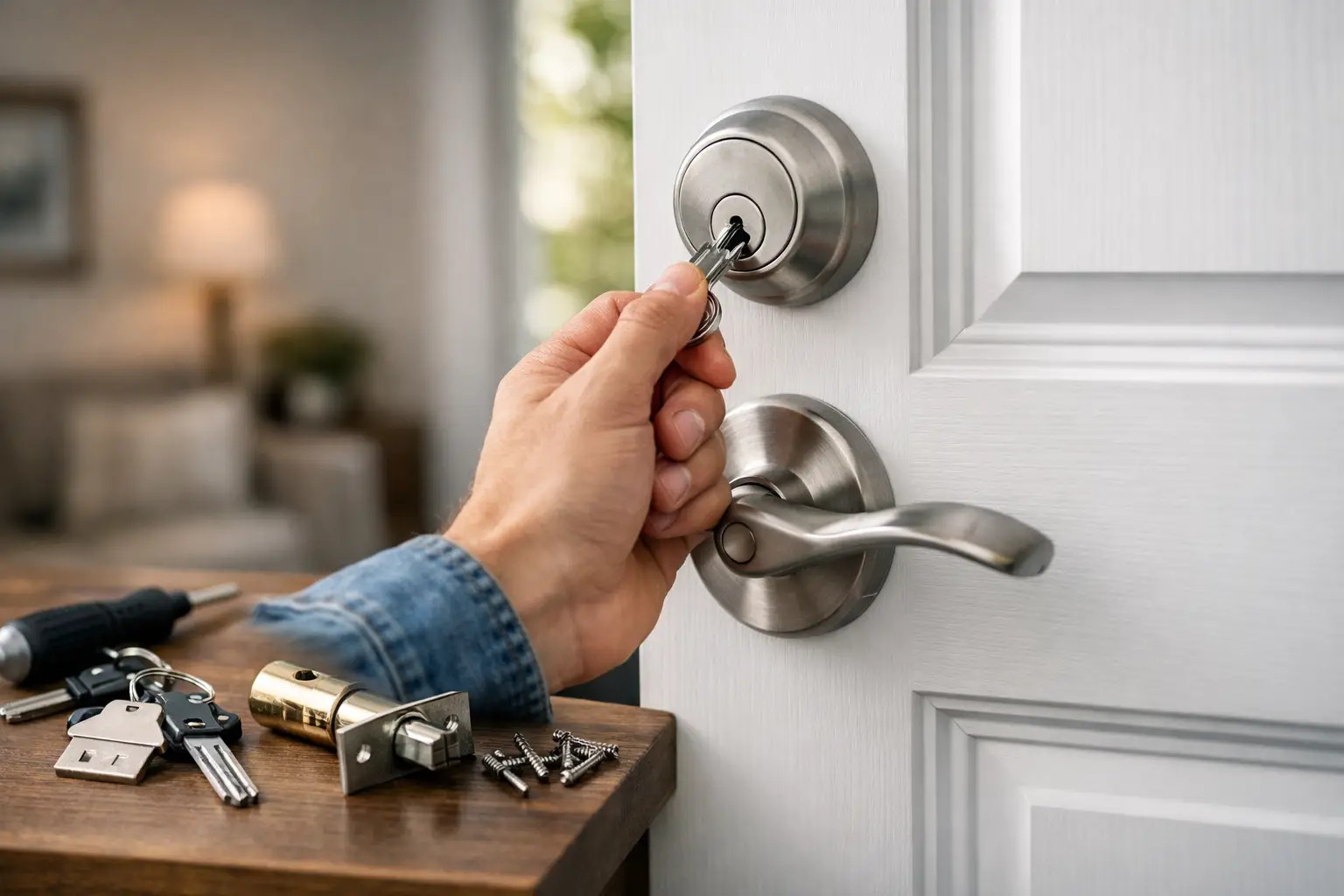

A locked front door at 11 p.m., keys trapped in a running car, or a storefront lock that will not turn can make anyone rush to the first number they find. That is exactly when poor choices become expensive. Knowing how to choose locksmith safely helps you protect your property, avoid surprise charges, and get back inside without unnecessary damage.
A legitimate locksmith should make a stressful situation feel more controlled, not more confusing. Before authorizing work, take a moment to confirm who is coming, what they plan to do, and what the service is expected to cost. A few smart questions can prevent a bad experience when your access and security are on the line.
How to Choose a Locksmith Safely in an Emergency
When you are locked out, speed matters. But a fast response should not mean accepting vague answers or handing over control of the job without basic verification. Start by calling a local company that clearly identifies itself by name and answers your questions directly.
Ask whether the technician is licensed, bonded, and insured. In California, locksmiths must meet state licensing requirements, and a reputable company should be able to provide its license information when requested. Insurance matters too. If a technician damages your door, vehicle, lock hardware, or property during service, you need to know the business has proper coverage.
Also ask for a realistic service estimate before dispatch. The final price can change if the technician finds a different lock type, hidden damage, or additional work is needed. That is normal. What is not normal is a company that refuses to discuss call-out fees, labor, or likely price ranges until the work is already complete.
A trustworthy provider will explain what the estimate includes and tell you when a price may change. If you are calling for a vehicle lockout, ask whether the technician uses non-destructive entry methods whenever possible. For a home or business lockout, ask whether they will attempt to open the lock before recommending replacement.
Verify the Company Before You Approve the Work
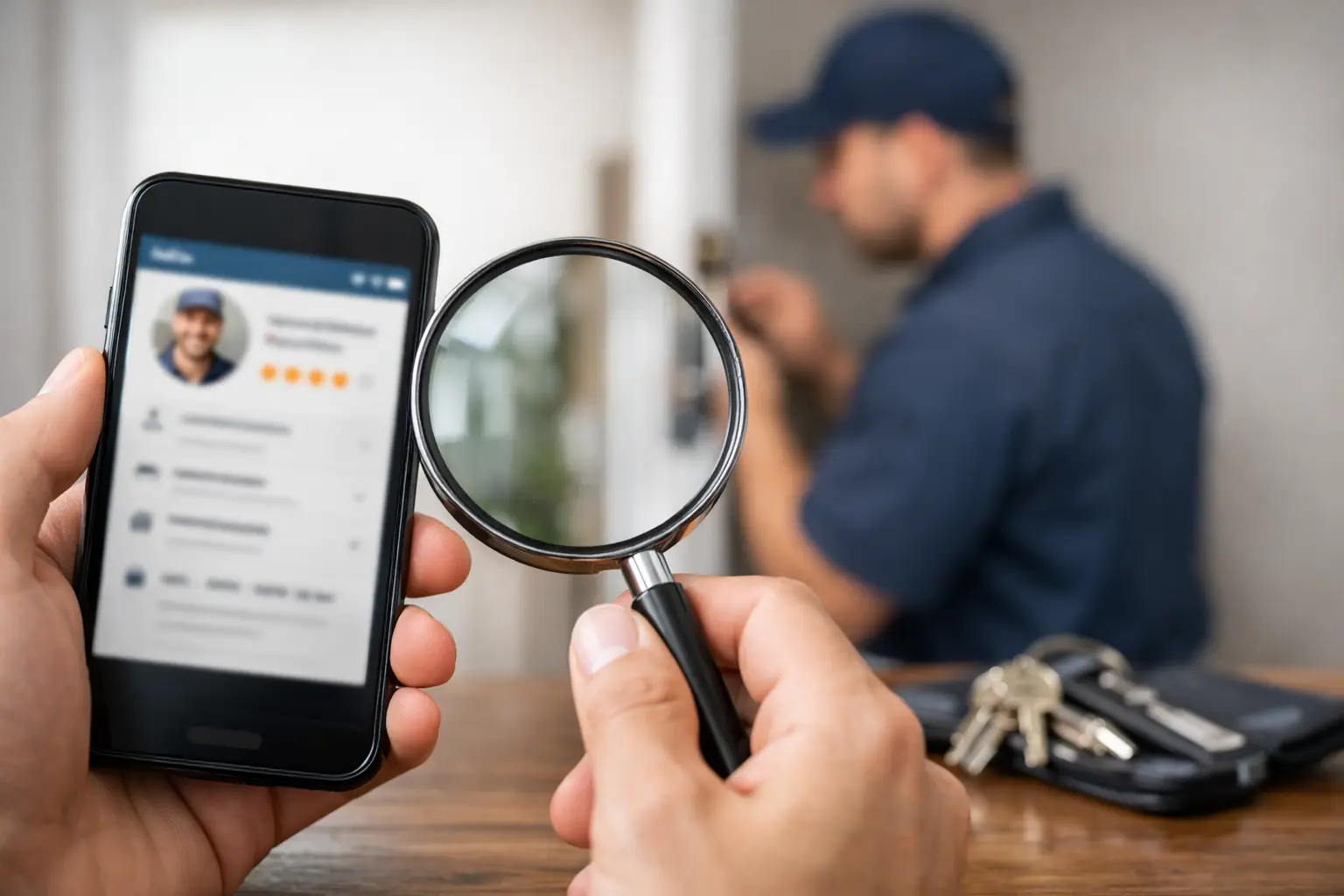
Search results can make every locksmith look local, established, and available. Look beyond the ad or listing. Check whether the business has a consistent local name, a working phone number, clear service information, and customer reviews that describe actual jobs.
Pay attention to the details in reviews. A useful review often mentions arrival time, communication, price clarity, professionalism, or whether the technician avoided damage. A page filled with short, generic praise without job details is less helpful than a smaller group of specific, believable customer experiences.
When the technician arrives, look for professional identification and a marked service vehicle when applicable. The technician should be willing to identify themselves and explain the job before starting. They should also verify that you have the right to access the property or vehicle. That may mean asking for identification, registration, a lease, proof of residence, or another reasonable form of authorization.
That verification protects everyone. A locksmith who will open a house, office, or car for anyone without asking questions is not demonstrating good security practices.
Be Cautious With Extremely Low Quotes
A very low advertised price can be a warning sign, especially if it seems far below the cost of a professional mobile service call in the Bay Area. Some dishonest operators use low quotes to get dispatched, then claim the original price does not apply once they arrive. They may pressure customers into paying far more or insist that a lock must be drilled and replaced immediately.
There are legitimate situations where drilling is necessary. A severely damaged lock, a failed high-security cylinder, or a lock compromised by a break-in may not open cleanly. But drilling should be a last option, not the first solution suggested for every lockout.
Before approving drilling or replacement, ask why non-destructive entry is not possible and what replacement hardware will cost. A qualified technician should be able to explain the condition of the lock in plain language. You deserve a clear reason, not pressure.
Ask the Right Questions Before the Locksmith Arrives
You do not need technical lock knowledge to hire safely. You only need enough information to recognize whether the company is prepared, transparent, and professional. During the call, ask these questions:
- Are you licensed, bonded, and insured?
- What is the service-call fee, and what is the expected price range for this job?
- Will the technician provide an estimate before beginning work?
- Do you use damage-free entry methods when the lock condition allows it?
- How soon can a technician arrive at my location?
- What forms of payment do you accept, and will I receive an itemized receipt?
The answers should be straightforward. If the dispatcher avoids basic questions, gives an unrealistically low price without knowing the job, or cannot identify the company clearly, call another locksmith.
For scheduled work, such as rekeying a new home, installing commercial locks, or replacing worn hardware, you have more time to compare options. Ask about the lock brands offered, warranty coverage, key control, and whether the hardware fits your existing door and security needs. The cheapest lock is not always the best value if it wears out quickly or leaves a vulnerable entry point.
Choose Service Based on the Real Problem
Safe locksmith selection also means choosing the right service, not paying for more work than you need. If you lost a house key but the locks are in good condition, rekeying may be more practical than replacing every lock. Rekeying changes which key operates the existing lock, helping prevent an old key from being used again.
If your lock sticks, turns roughly, or was damaged during an attempted break-in, repair may be possible. Replacement makes more sense when the lock is worn out, compromised, incompatible with your door, or no longer provides the level of security you need. A professional should inspect the hardware and explain the options without forcing the most expensive answer.
For businesses, access changes should be handled quickly when an employee leaves, keys go missing, or a tenant moves out. Rekeying, master-key planning, and upgraded commercial hardware can protect staff, inventory, and restricted areas. Property managers should keep a dependable local locksmith’s information on file before an emergency occurs, rather than searching under pressure after hours.
Drivers should be especially careful with modern vehicles. Car keys, fobs, transponder systems, and push-button ignitions often require specialized equipment and programming knowledge. Trying to force a door, use online tricks, or hire someone without automotive experience can damage weather stripping, lock cylinders, electronics, or the vehicle itself.
Keep the Paperwork and Check the Result
Before the technician leaves, test the work. Open and lock the door several times, check every new key, and make sure your vehicle starts if key programming was performed. If a deadbolt, latch, or commercial lock was installed, confirm that it aligns properly and does not require force to operate.
Request an itemized receipt showing the company name, date, service performed, parts used, and amount paid. Keep it with your home, vehicle, or property records. Good documentation is useful for warranties, landlord communication, insurance claims, and future service calls.
If you need immediate help in Daly City, San Francisco, or nearby Bay Area communities, YES Locksmith provides mobile residential, commercial, and automotive service with trained technicians who focus on fast arrival and damage-free solutions whenever possible.
The best time to choose a locksmith is before you are stranded outside. Save the number of a licensed, insured local provider now, and when a lockout or security problem happens, you can make the call with confidence instead of guesswork.