
You notice it the second the door clicks shut. Your keys are inside, your phone battery is low, dinner is on the stove, or your child is waiting in the car. A house lockout service is not just about getting back in. It is about getting help from someone who can restore access quickly, protect your door and lock, and keep a stressful situation from getting worse.
In the Bay Area, lockouts happen for all kinds of reasons. Keys get left on the kitchen counter. Deadbolts stick. Smart locks lose power. Tenants move out and leave confusion behind. What matters in that moment is not a lecture about being more careful. It is getting a qualified locksmith to your location fast, with the right tools and the judgment to open the door without turning a lockout into a repair job.
What a house lockout service should actually do
A professional house lockout service should solve the immediate access problem first, then help you think through security after you are safely back inside. That sounds obvious, but not every provider works that way. Some rush to drill. Some treat every lock like it needs to be replaced. Some arrive without the equipment or experience to handle the lock in front of them.
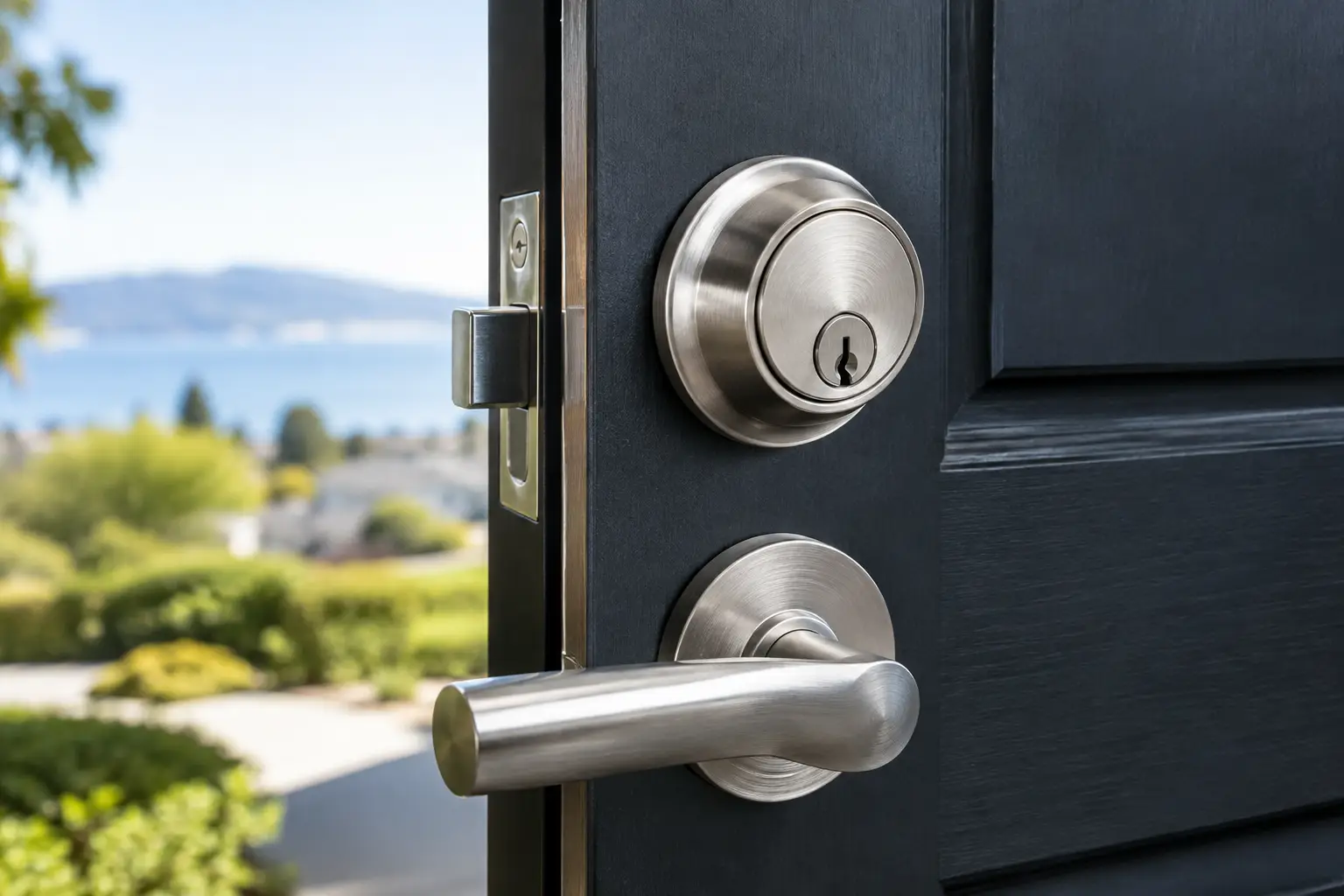
A trained mobile locksmith approaches the job differently. The first goal is always non-destructive entry when conditions allow it. That means assessing the lock type, checking the door alignment, and using the least invasive method available. A standard knob lock, a high-security deadbolt, a jammed latch, and an electronic keypad failure all require different handling. Experience matters because the wrong technique can damage the cylinder, the strike, the frame, or the door slab itself.
The best result is simple. You are back inside, your hardware still works, and you are not left shopping for a new lock at the end of an already bad day.
Why speed matters in a house lockout service
A lockout is not always an emergency, but many of them turn into one quickly. If there is a child inside, a senior resident who cannot get to the door, a pet in unsafe conditions, medication you need immediately, or a stove or oven running, response time matters. The same is true late at night, during bad weather, or when the area around the property does not feel secure.
That is why mobile locksmith service is so valuable. Instead of waiting for a storefront to open or trying to transport a lock problem somewhere else, a technician comes to you with the tools needed to work on-site. For homeowners, renters, property managers, and landlords, that saves time and reduces risk.
Fast service should not mean careless service. The right locksmith balances urgency with control. They move quickly, but they still verify that you have the right to enter the property and choose the safest entry method for the hardware involved.
Not every lockout is the same
Two homes on the same block can require completely different solutions. An older wooden door may swell and bind at the latch. A newer home may have decorative hardware with tighter tolerances. Condo buildings can involve shared entry systems, restricted access points, or building management rules. Rental properties may need documentation before entry is authorized.
That is where seasoned technicians stand out. They know how to read the situation before they start forcing parts that should not be forced.
What to expect when the locksmith arrives
A reliable locksmith should bring order to the situation right away. First comes identification and verification. If you are locked out of your own house, expect the technician to confirm occupancy or authorization before opening anything. That protects property owners and protects you.
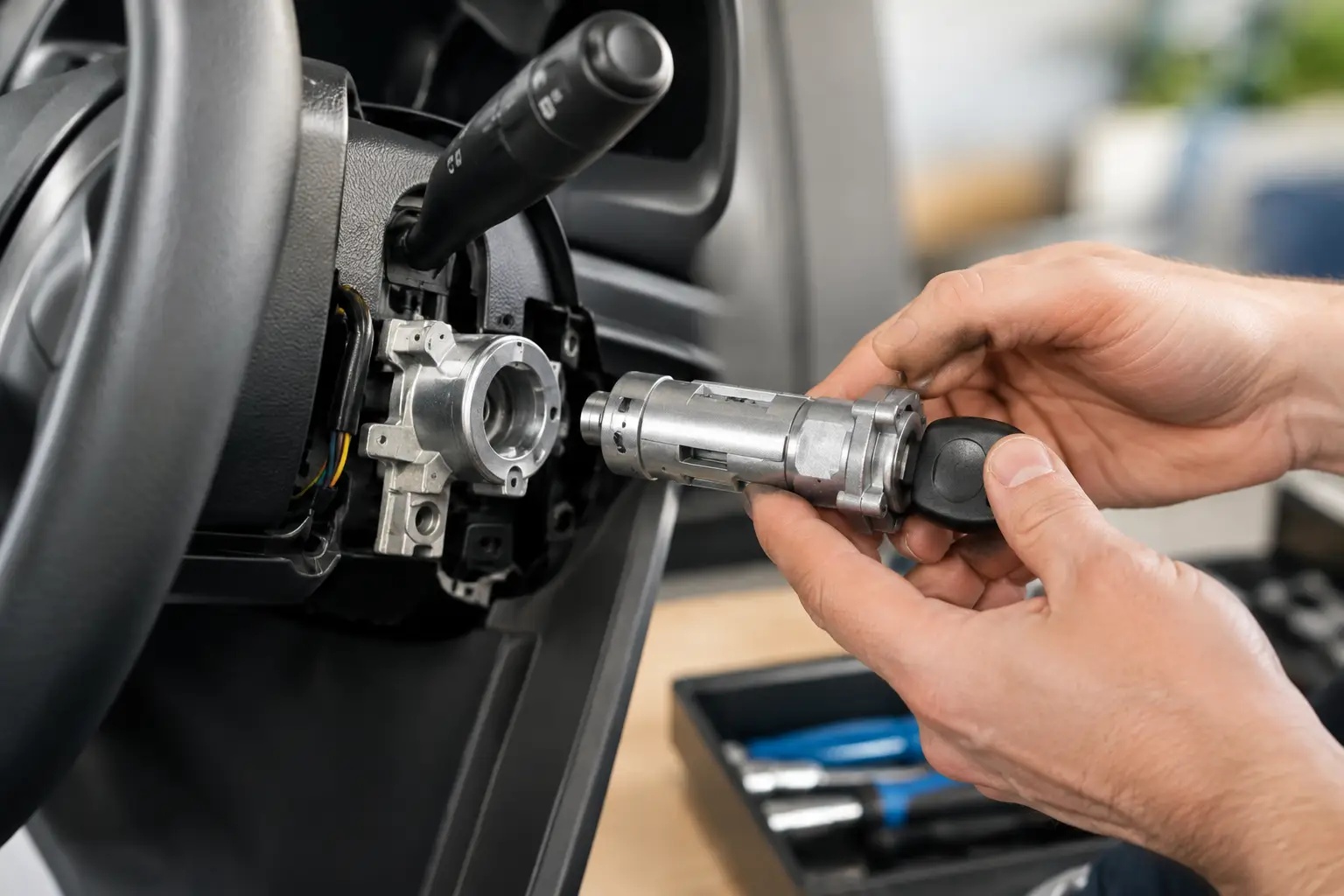
Next comes the lock assessment. The technician should look at the hardware, the condition of the door, and any signs of existing damage or misalignment. In many cases, the issue is not the key itself. A shifted strike plate, worn cylinder, damaged tailpiece, or failed smart lock battery can all mimic a full lockout.
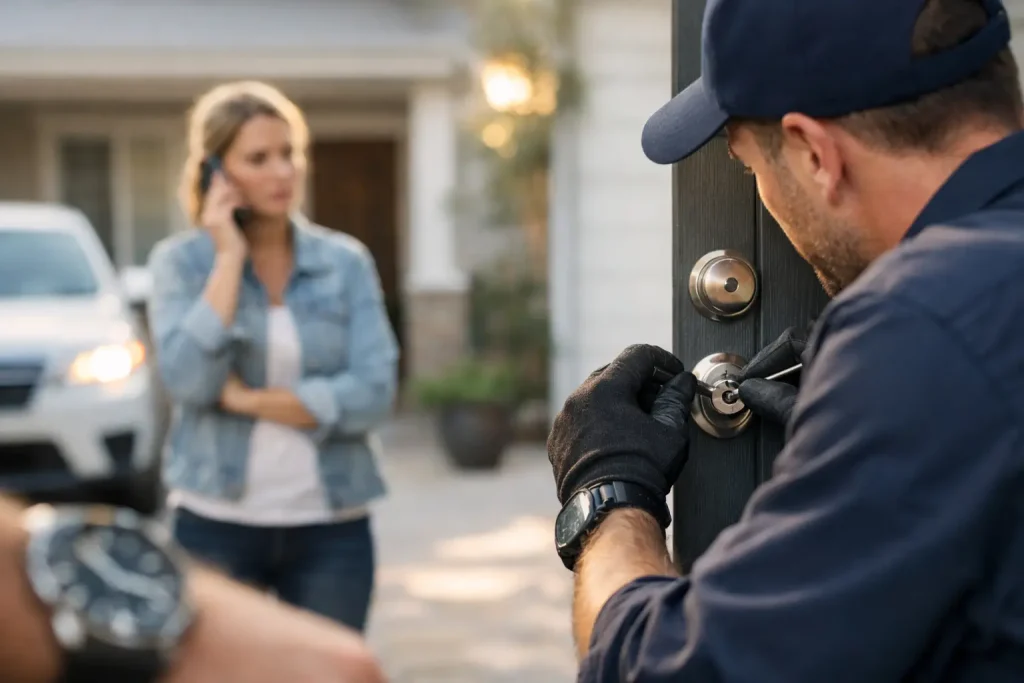
Then comes entry. Depending on the lock and the condition of the hardware, the locksmith may use picking tools, bypass tools, latch techniques, or other professional methods designed to preserve the lock. Drilling is sometimes necessary, but it should be the exception, not the opening move.
After entry, a good technician does not just leave. If the lock failed, they should explain why. If a key broke, they should tell you whether the cylinder is still dependable. If the deadbolt is binding because of door movement, they should point that out so the problem does not repeat next week.
When a lockout is really a security problem
Sometimes the immediate issue is getting inside. Sometimes the real issue is what happens after. If your keys were lost, stolen, or left in an unknown place, getting back into the house is only half the job. Re-keying or replacing the lock may be the safer next step.
That decision depends on the situation. If you know the keys are inside and simply locked behind the door, preserving the existing hardware is usually enough. If the keys were taken with identifying information, or if there is any chance they could be used later, re-keying gives you control again without necessarily replacing the full lockset.
For rental property owners and managers, this comes up often. A tenant turnover, contractor access issue, or missing copy of a house key can turn a basic lockout call into a broader access control decision. In those cases, working with a locksmith who can handle both emergency entry and follow-up security work saves time.
House lockout service and damage prevention
Most customers are not worried only about getting the door open. They are also worried about what it will cost if the door, frame, trim, or lock gets damaged in the process. That concern is valid.
Poor entry technique can create expensive side effects. A damaged deadbolt can leave the home unsecured. A split frame can lead to carpentry work. Cosmetic damage around decorative hardware is especially frustrating on newer homes or recently renovated properties. This is one reason licensed, bonded, and insured service matters. Professional standards and accountability matter when someone is working on your home under pressure.
A competent locksmith aims to protect what is already there. That includes the lock body, the strike area, and the finish around the hardware. It also means knowing when not to force entry through a side gate, garage door, or secondary access point that could create bigger problems.
The cheapest option can cost more
Price matters, especially during an unexpected service call. But lockout service is one of those jobs where the lowest number on the phone is not always the lowest total cost. If a provider damages the lock, misquotes the work, or arrives unable to handle the hardware, the final bill can grow fast.
Clear communication matters more than bargain language. You want a locksmith who can explain the likely approach, give a realistic estimate, and tell you if the lock condition may affect the final scope of work.
Choosing the right house lockout service near you
When you call for help, you want certainty. Ask whether the locksmith is licensed, bonded, and insured. Ask if they provide mobile service in your area and how quickly they can arrive. Ask whether they handle residential lockouts regularly and whether they prioritize non-destructive entry.
Local experience helps. Homes in San Francisco, Daly City, and surrounding communities can vary widely in age, hardware type, and access conditions. A locksmith familiar with the area is more likely to arrive prepared for older doors, updated locks, apartment entry systems, and the practical realities of urban and residential properties.
It also helps to work with a company built for field response, not one treating lockouts like occasional side work. YES Locksmith is one example of a mobile service model designed around on-site response, which is exactly what customers need when they are standing outside their own front door.
What to do while you wait
Stay near the main entry if the area feels safe, and keep your phone available. If there is a child, pet, or active hazard inside, communicate that immediately when you call so the situation is prioritized correctly. Avoid trying improvised entry methods that can damage the lock or frame. A bent card, screwdriver, or random internet trick can easily turn a straightforward lockout into a repair and replacement job.
If you have identification inside the home, let the locksmith know in advance. They can explain what verification may be needed once access is restored. If you are a tenant, it is smart to have your lease information or property manager contact ready.
A house lockout can feel personal because it happens at your own door, on your own property, at the exact moment you least need the disruption. The right response is simple: get a qualified locksmith on the way, protect the hardware if possible, and make sure the fix leaves you both back inside and confident in your security again. When help is fast, professional, and careful, a bad moment stays a short one.