A lock that sticks, spins, or refuses to accept a key can turn a normal day into a security problem fast. The right answer in the lock repair vs replacement decision depends on what failed, how secure the property needs to be, and whether the hardware can still perform reliably. A qualified mobile locksmith can inspect the lock on-site, explain the condition clearly, and fix the issue without causing unnecessary damage to your door, frame, or vehicle.
When Lock Repair Is the Smart Choice
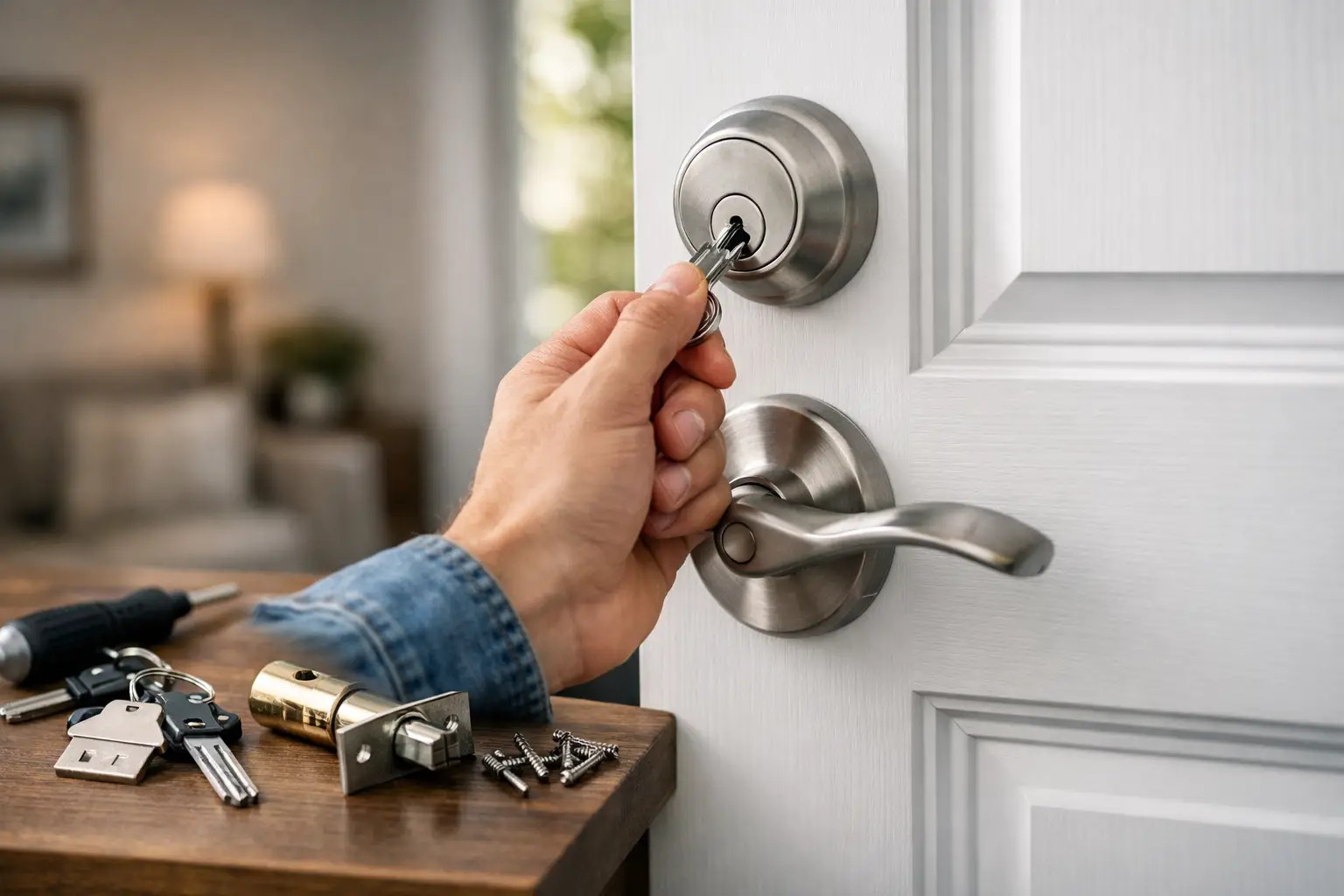
Repair is often the right move when the lock itself is sound but one component has worn out, shifted, or become jammed. A key may be difficult to turn because of debris, dry internal parts, a misaligned strike plate, or a latch that no longer lines up correctly with the door frame. These issues can often be corrected without replacing the complete lock.
A damaged key can also make a working lock appear defective. If a key is bent, worn down, or copied from another worn key, it may not lift the pins inside the cylinder correctly. In that case, a fresh key made to the proper specifications may solve the problem. If a key breaks inside the keyway, a locksmith can usually remove it and inspect the cylinder for damage before recommending the next step.
Lock repair can make sense when the hardware is high quality, matches other doors, or is part of a commercial access setup that would be expensive to replace. For businesses, repairing a closer, panic hardware component, latch, or misaligned door can reduce downtime while keeping the existing access system in place.
Common Problems That Can Often Be Repaired
A repair may be possible when the issue is limited to normal wear or a minor mechanical failure. Examples include a loose lockset, a deadbolt that does not extend fully, a latch that catches on the strike plate, a cylinder that needs servicing, or a key that no longer works smoothly.
The condition of the door matters just as much as the condition of the lock. Bay Area homes and commercial buildings can experience door movement from moisture, age, settling, and frequent use. A door that has shifted even slightly can put pressure on a deadbolt and make it feel like the lock has failed. Correcting the alignment can restore proper operation and prevent further wear.
Repair is usually less costly than full replacement, but it should not be chosen just because it is cheaper today. If the lock will remain unreliable or weak after service, replacement is the safer investment.
When Lock Replacement Is the Better Security Decision
Replacement becomes necessary when the lock is severely damaged, outdated, compromised, or no longer appropriate for the level of security you need. A lock that has been forced during a break-in attempt may look usable from the outside while having internal damage that causes it to fail later. That is not a risk worth taking on a home, storefront, office, or rental property.
Replace the lock when the cylinder is cracked, the bolt does not extend securely, the internal mechanism repeatedly jams, or the lock has corrosion that affects operation. Hardware that has been painted over, heavily worn, or repaired multiple times may also be at the end of its useful life.
Replacement is also a practical choice after a security event. If keys were stolen, a tenant moved out without returning keys, an employee with access left the business, or you recently purchased a property, the lock may need a security update. In some cases, rekeying is enough. In others, replacing the hardware offers a stronger upgrade and a clean start.
Upgrade When the Existing Lock Is Not Enough
Older hardware may operate, but that does not mean it provides the protection your property needs. Basic locks, low-grade deadbolts, damaged strike plates, and weak door reinforcement can leave a property vulnerable even when the key turns normally.
For residential doors, a stronger deadbolt, properly installed strike plate, and correct door alignment work together to improve security. For commercial properties, replacement may involve commercial-grade lever locks, restricted key systems, keypad locks, panic hardware, or access control components that better match employee and customer traffic.
Vehicle lock replacement is different from door lock replacement. A damaged ignition, broken car door lock, or lost key may require key programming, ignition repair, or replacement parts matched to the vehicle. Because automotive systems vary widely, an on-site inspection is the best way to avoid replacing parts that can still be repaired.
Lock Repair vs Replacement: Questions to Ask First
The fastest way to make the right decision is to focus on the cause of the problem, not just the symptom. A lock that jams once after a cold, wet night may need adjustment. A lock that jams every week, has visible damage, or no longer keeps the door secured needs more serious attention.
Ask whether the lock has been forced, whether all keys still work, and whether the door closes and latches properly without being pushed or pulled. Consider who may still have copies of the key and whether the current lock meets your security needs. These answers help determine if a simple repair, rekey, or full replacement is the best value.
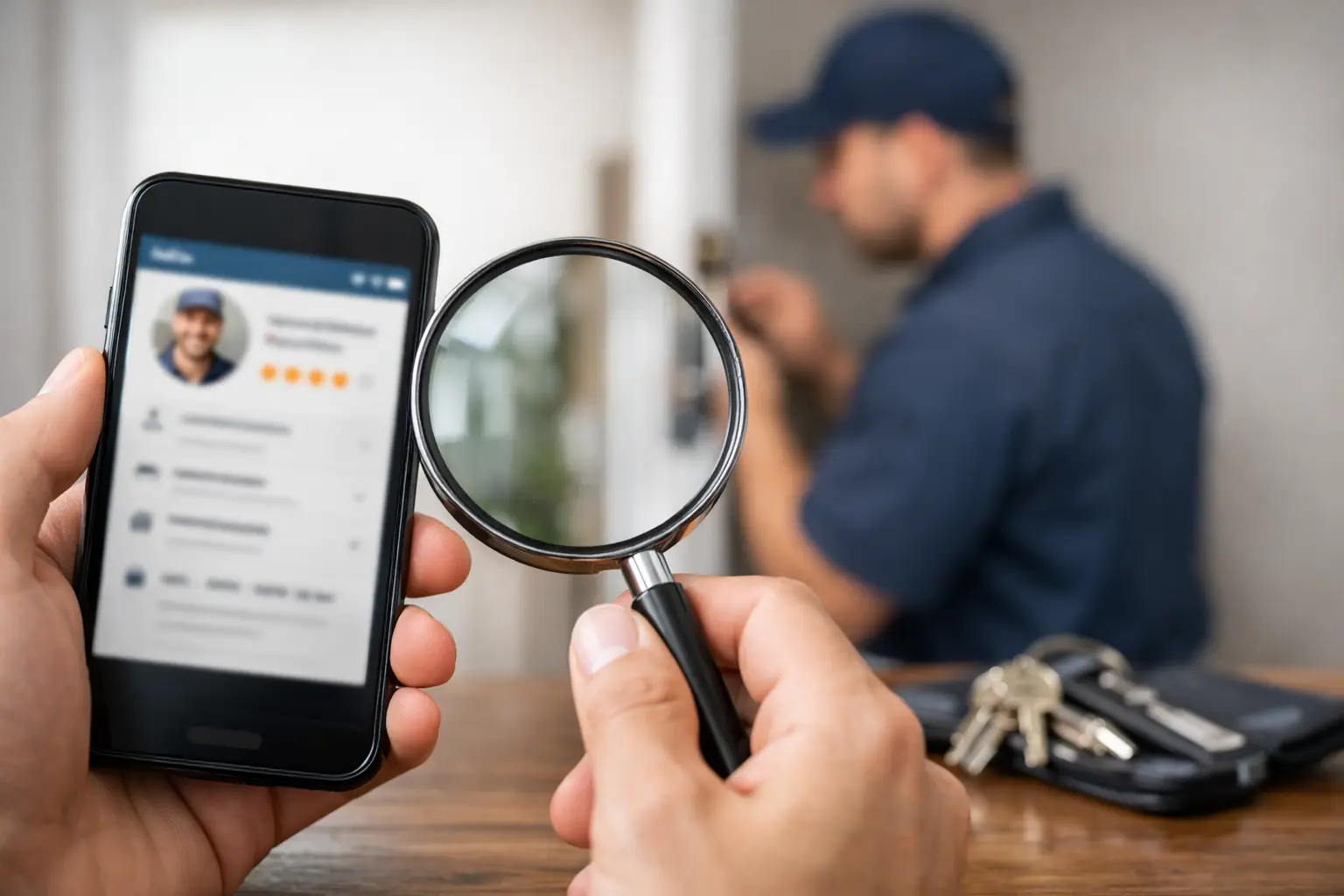
A professional locksmith should explain the options before work begins. You should know whether the problem is the key, cylinder, latch, bolt, strike plate, door alignment, or the entire lockset. Clear recommendations protect you from paying for replacement when a repair would do, and from accepting a temporary repair when your property needs new hardware.
Do Not Confuse Rekeying With Replacing a Lock
Rekeying changes the internal pin configuration of an existing lock so old keys no longer work. It is a strong option when the lock is in good mechanical condition but key control has changed. New homeowners, landlords between tenants, and businesses after staffing changes often choose rekeying because it restores control without replacing every lock.
Rekeying will not fix a broken or weak lock. If the deadbolt is damaged, the latch is failing, or the hardware does not provide enough security, replacement is the better route. On the other hand, replacing a perfectly functional lock simply because keys are missing may cost more than necessary.
For properties with multiple doors, a locksmith may be able to rekey compatible locks to work with one key. That can simplify daily access while keeping exterior doors secure. Compatibility matters, however, and not every brand or lock type can be keyed alike.
Why DIY Repairs Can Create Bigger Problems
Spraying the wrong lubricant into a lock, forcing a stuck key, tightening the wrong screws, or drilling hardware without experience can turn a repairable issue into a replacement job. It can also damage the door, trim, frame, or vehicle components around the lock.
If you are locked out, do not force the door or try improvised tools. That can bend the latch, crack the frame, damage weatherstripping, or trigger a more expensive repair. A trained mobile locksmith uses the appropriate tools and methods to restore access with as little disruption as possible.
This is especially important for commercial doors and modern vehicles. Incorrect repairs can affect fire-code hardware, access control systems, door closers, electronic keys, and ignition components. When security and reliable access are on the line, a quick diagnosis from an experienced technician is safer than guessing.
Get a Clear Recommendation at Your Door
A dependable locksmith service does more than open a locked door. The technician should identify why the problem happened, confirm whether the lock can be trusted after repair, and offer replacement options when security has been compromised. That approach helps homeowners avoid repeat lockouts and helps property managers keep tenants, staff, and buildings protected.
YES Locksmith brings mobile service directly to homes, businesses, and vehicles in Daly City, San Francisco, and nearby Bay Area communities. Whether you are dealing with a damaged deadbolt, a worn key, a tenant turnover, or an urgent break-in concern, the goal is the same: restore secure access without unnecessary damage or delay.
If your lock is sticking, loose, forced, or no longer under your control, have it checked before it fails at the worst possible moment. A timely repair may save the hardware. A timely replacement may protect everything behind the door.