
A lock that sticks at 6 a.m. can turn a normal workday into a security problem fast. Whether your key will not turn, the deadbolt will not extend, or a door will not latch correctly, prompt door lock repair protects your home, business, tenants, and peace of mind. The right repair can restore reliable access without damaging the door or forcing you into a full hardware replacement.
For property owners in San Francisco, Daly City, and nearby Bay Area communities, the goal is not simply getting the door open. It is making sure the lock works correctly after the emergency is over. A licensed, insured locksmith can identify the actual failure, repair the hardware when it makes sense, and recommend replacement only when the lock can no longer provide dependable security.
Signs You Need Door Lock Repair
Most locks give warnings before they fail completely. A key that needs repeated jiggling, a deadbolt that catches, or a latch that only works when you lift the door are not small annoyances. They often point to wear, misalignment, loose internal parts, or damage inside the cylinder.
A lock may also need attention after an attempted break-in, a forced entry, or a lost key situation. Even when the door still opens and closes, a bent latch, cracked strike plate, loose lock body, or damaged keyway can leave the property vulnerable. Do not assume the lock is safe just because it still turns.
Commercial doors deserve especially quick attention. A malfunctioning storefront, office, gate, or supply-room lock can interrupt business, restrict employee access, or leave valuable equipment exposed after closing. For property managers, a failing lock between tenants can become a liability if it is not corrected before the next resident moves in.
What Causes a Door Lock to Fail?
The cause is not always inside the lock. Many service calls begin with a key that feels like the problem, but the real issue is a door that has shifted in its frame. Changes in weather, settling, loose hinges, worn weatherstripping, or repeated hard closing can move the door just enough to keep the bolt from lining up with the strike plate.
Inside the lock, common problems include worn pins, a damaged key cylinder, a broken tailpiece, loose mounting screws, or a worn deadbolt mechanism. Older locks can also collect dirt and debris that make operation stiff. Using the wrong lubricant can make that worse by trapping grit inside the cylinder.
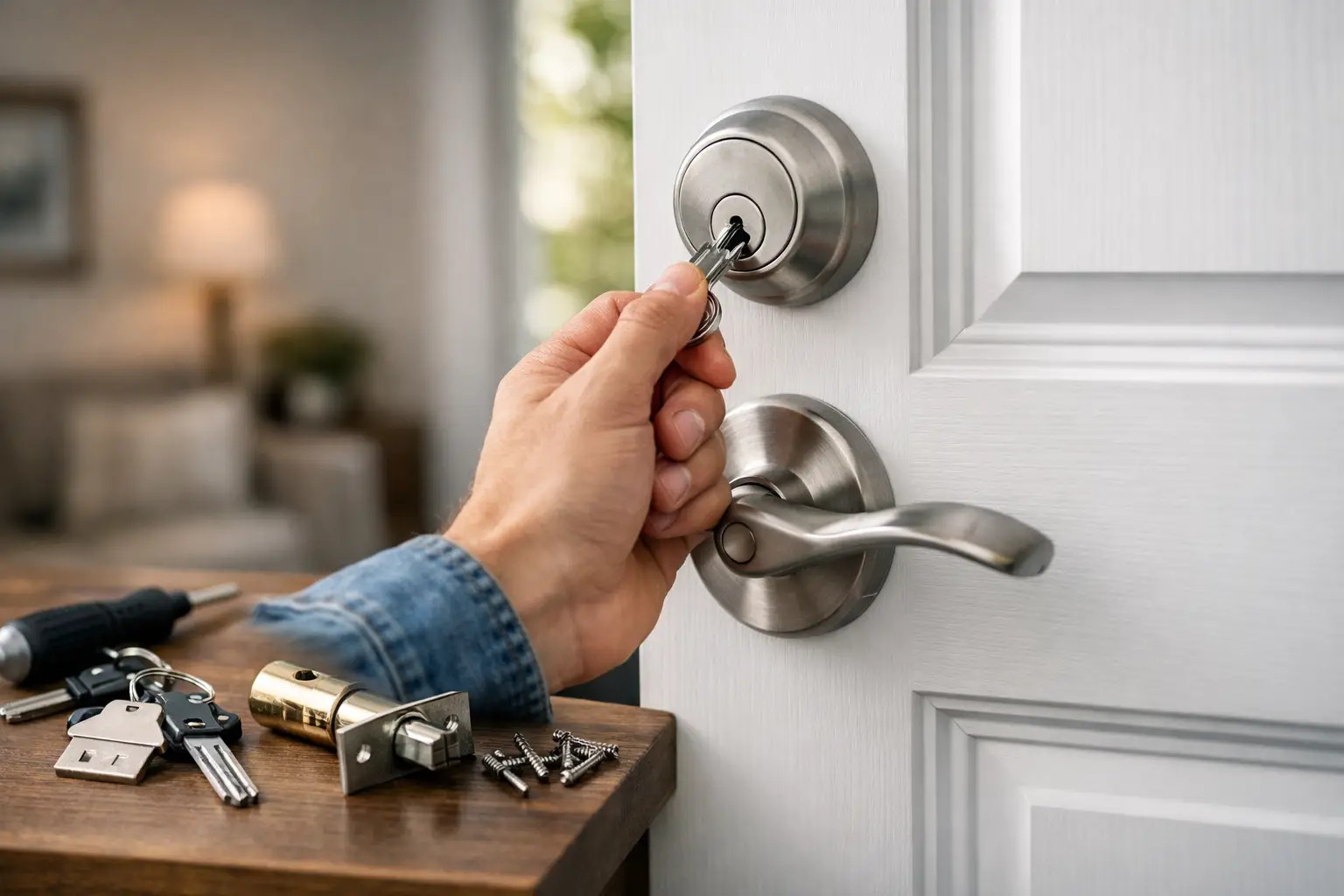
Keys play a role, too. A key copied from a worn duplicate may no longer match the lock precisely. If one key works better than another, the lock may be serviceable, but a fresh key cut from the correct original may be part of the solution. A professional locksmith checks the key, cylinder, latch, strike, hinges, and door alignment before deciding what repair is needed.
Repair or Replacement: Which Is the Safer Choice?
Door lock repair is often the practical choice when the hardware is in good condition and the issue is limited to alignment, a worn cylinder, a faulty latch, or loose components. Repairing the problem can preserve existing door hardware, save time, and avoid unnecessary changes to the door.
Replacement is usually the better call when the lock has been forced, the housing is cracked, the internal mechanism is severely worn, or the hardware does not meet the security needs of the property. A low-quality lock that repeatedly fails may cost more in service calls and disruption than a properly installed replacement.
Security changes also matter. If keys have been lost, stolen, or retained by a former tenant, roommate, employee, contractor, or vendor, rekeying may be enough if the lock is compatible and undamaged. If the lock is old, unreliable, or lacks the features the property requires, replacement may offer better long-term protection.
There is no one-size-fits-all answer. A front door deadbolt, a rental unit entry, a panic-bar-equipped commercial door, and an interior office lock all have different requirements. The safest decision comes from an on-site inspection, not a guess based on a photo or a quick online fix.
Why DIY Lock Fixes Can Create Bigger Problems
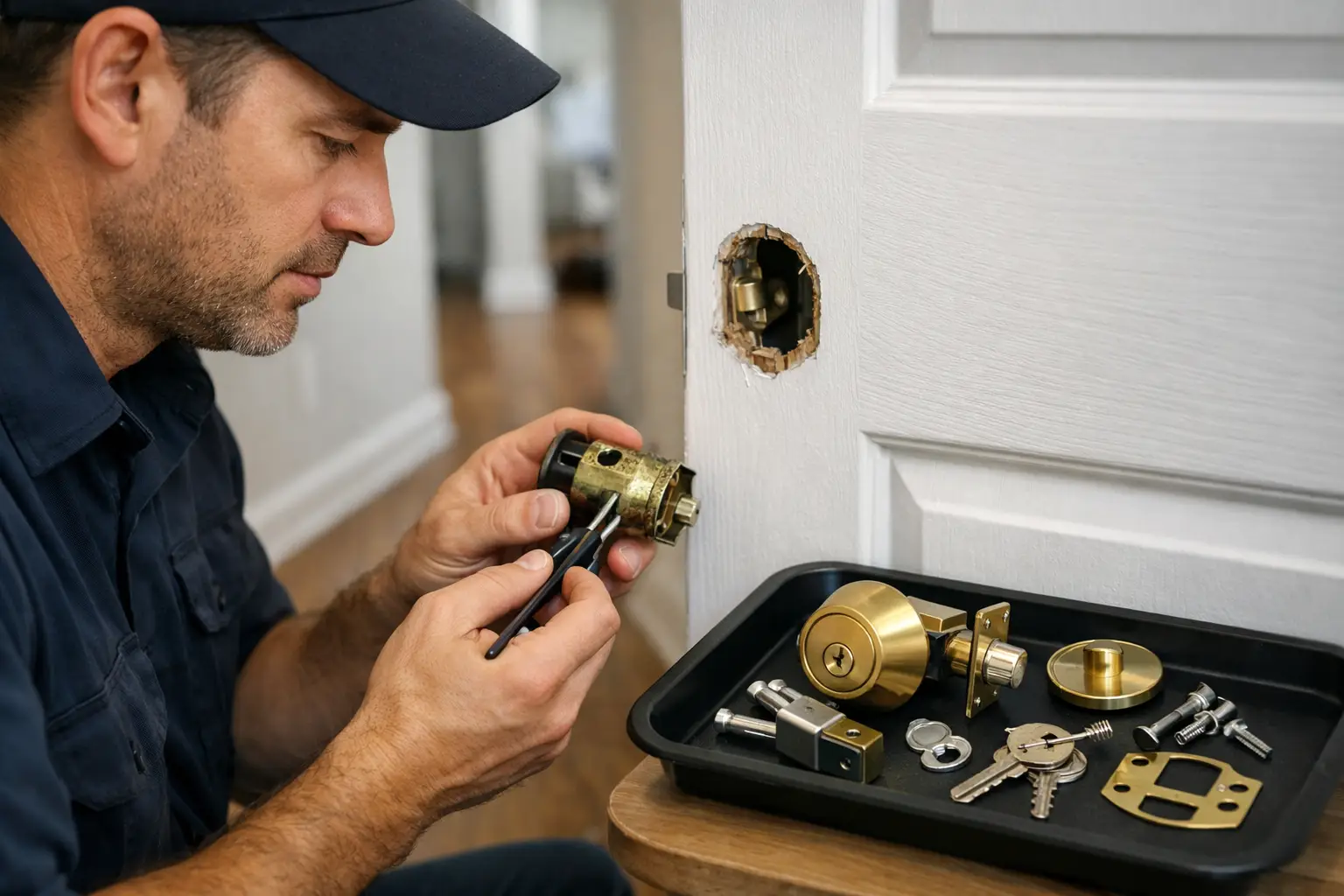
It is tempting to spray lubricant into a sticky lock or remove the hardware yourself. Sometimes a loose screw is an easy correction. But forcing a key, drilling a cylinder, or taking apart a lock without the right tools can damage the door, strip mounting holes, misalign the latch, or leave the lock less secure than before.
A common mistake is forcing a deadbolt when the door is out of alignment. That can bend internal parts and turn a relatively simple adjustment into a replacement job. Another is using household oil in the keyway, which can attract debris and cause the pins to bind over time.
For a lockout, avoid breaking glass, prying the door, or trying to defeat the lock with improvised tools. Those choices can lead to injuries, expensive repairs, and a door that no longer seals or secures properly. Mobile locksmith service is designed to restore access with minimal disruption and without unnecessary damage to the property.
What Professional Door Lock Repair Includes
A qualified locksmith begins by checking how the door closes and whether the latch and deadbolt align correctly. The technician then inspects the key, cylinder, lock body, strike plate, and surrounding door material. This matters because repairing only the visible symptom can leave the real problem unresolved.
Depending on the condition of the hardware, service may include adjusting the strike plate, tightening or replacing mounting components, servicing or replacing the cylinder, repairing the latch or deadbolt, cutting properly matched keys, or rekeying the lock. If replacement is necessary, the technician can install suitable hardware and confirm that it operates smoothly from both sides.
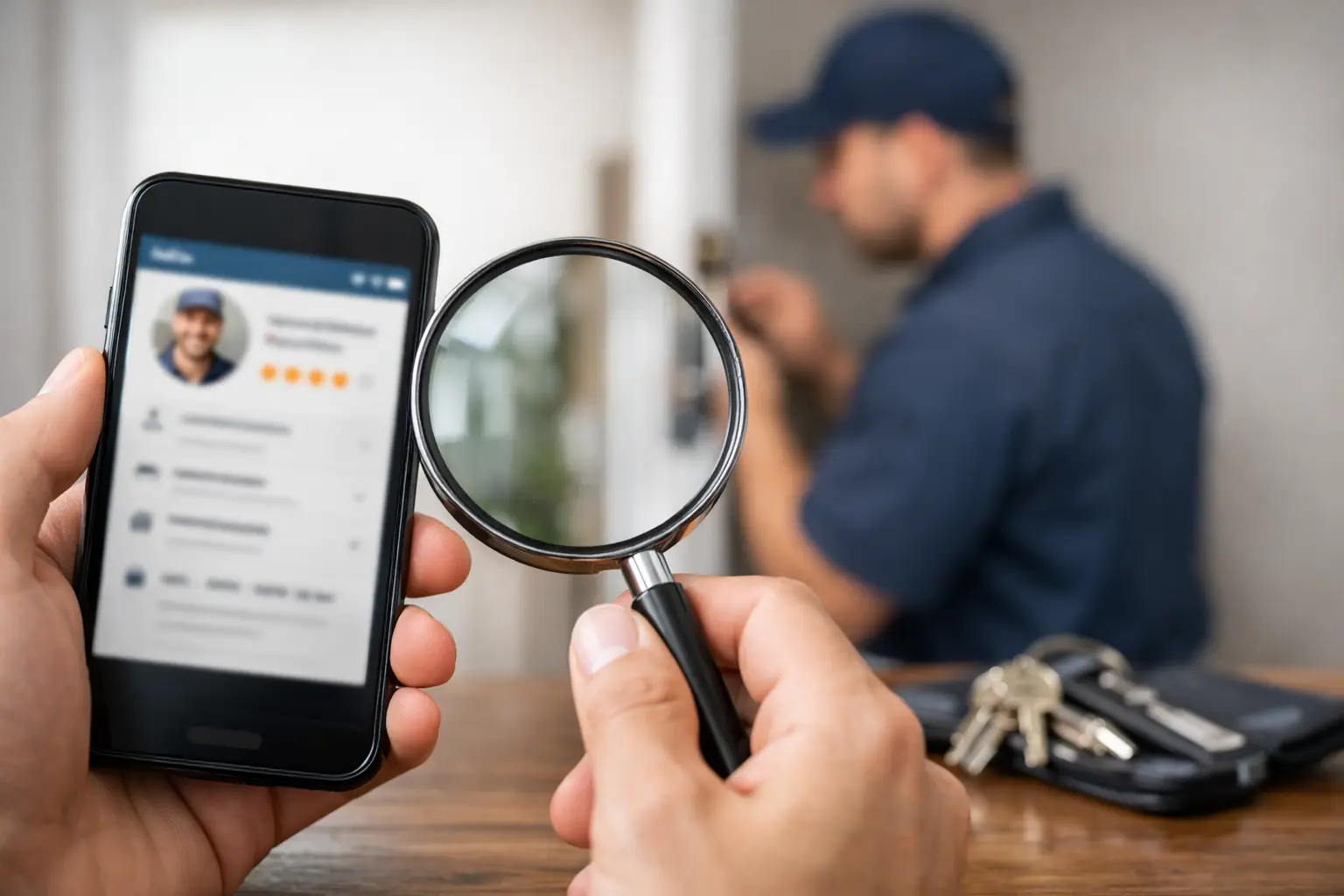
For commercial properties, the work may also involve coordinating access changes, repairing high-traffic door hardware, and making sure employees can enter and exit safely. A reliable locksmith should explain the condition of the lock clearly, provide options, and avoid pressuring you into hardware you do not need.
YES Locksmith brings more than 20 years of experience to mobile residential, commercial, and emergency locksmith service throughout the local area. The focus is simple: arrive prepared, protect the door, and leave you with a lock that works as it should.
When a Broken Lock Is an Emergency
Call for urgent assistance when you cannot secure an exterior door, a key breaks in the lock, a deadbolt jams while you are locked out, or there are signs of attempted entry. Businesses should treat a damaged exterior lock as urgent when it affects closing procedures, employee safety, or access to inventory and sensitive areas.
If you are inside and the lock will not release, remain calm and do not force it. If there is an immediate danger such as fire, medical risk, or a person trapped inside, call emergency services first. For a lock problem without immediate life safety risk, a locksmith can assess the door and restore safe access on-site.
Keep Repaired Locks Working Longer
Once the lock is repaired, use the correct key and avoid putting pressure on it while turning. Close the door fully before extending the deadbolt instead of trying to force the bolt into a misaligned frame. If the door begins to sag or rub, address it early before it damages the lock again.
For rental and commercial properties, keep a clear record of who has keys and rekey promptly when access changes. Schedule lock service before small problems become after-hours emergencies, especially on high-use doors and exterior entries exposed to coastal moisture and changing temperatures.
A dependable lock should turn smoothly, latch cleanly, and give you confidence each time you leave. If yours does not, do not wait for it to fail at the worst possible moment. Professional door lock repair can protect the door you already have while restoring the security you rely on every day.