
A missing house key, a former employee who may still have access, or a lock that suddenly sticks can put you in a difficult position fast. When deciding between rekeying vs lock replacement, the right answer depends on one question: is the lock still secure and working properly? If the hardware is in good condition, rekeying can restore control quickly. If the lock is worn, damaged, or no longer provides the protection your property needs, replacement is usually the safer move.
For homes, storefronts, offices, rental units, and other Bay Area properties, the goal is not simply getting a new key. It is making sure the people who should not have access are locked out, while the people who do need access can get in without a struggle.
What Is the Difference Between Rekeying and Lock Replacement?
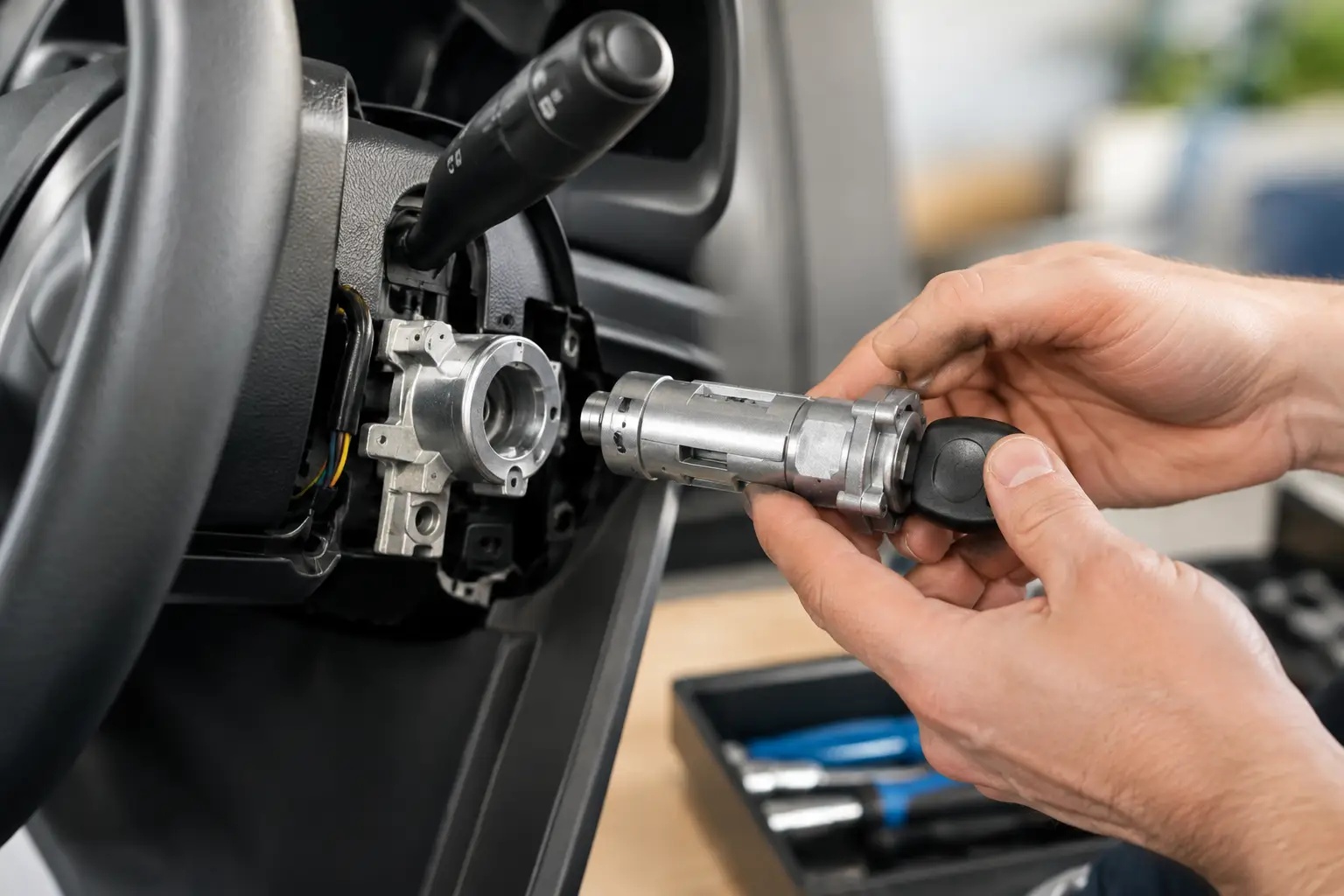
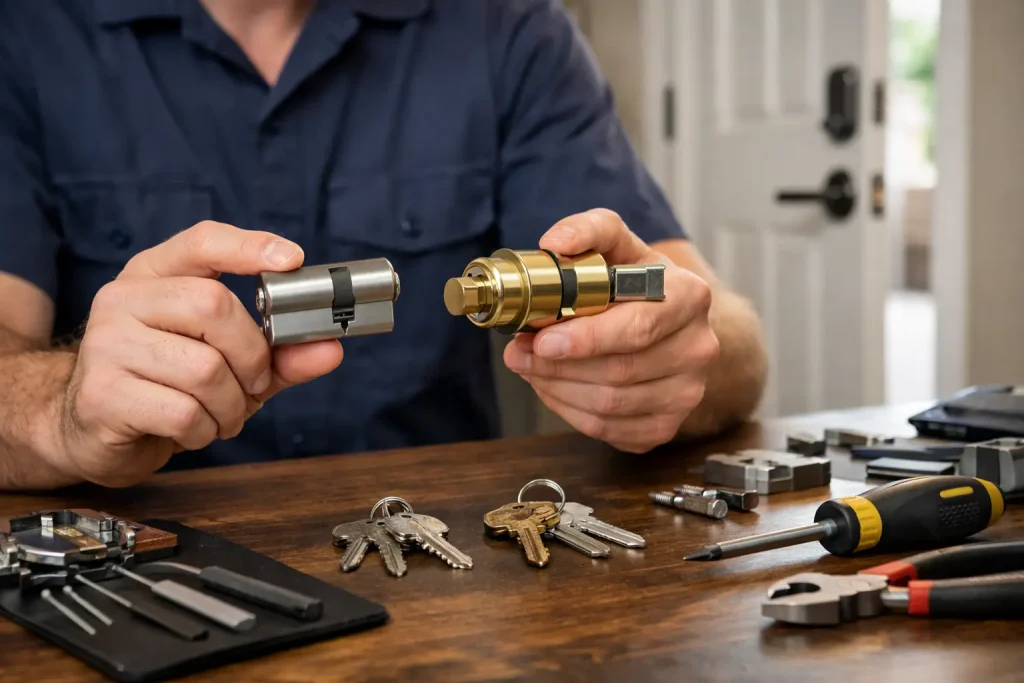
Rekeying changes the internal key pins inside an existing lock cylinder. The lock stays on the door, but the old key no longer works. A locksmith removes the cylinder, adjusts the pins to match a new key pattern, tests the lock, and provides new keys. From the outside, your hardware usually looks exactly the same.
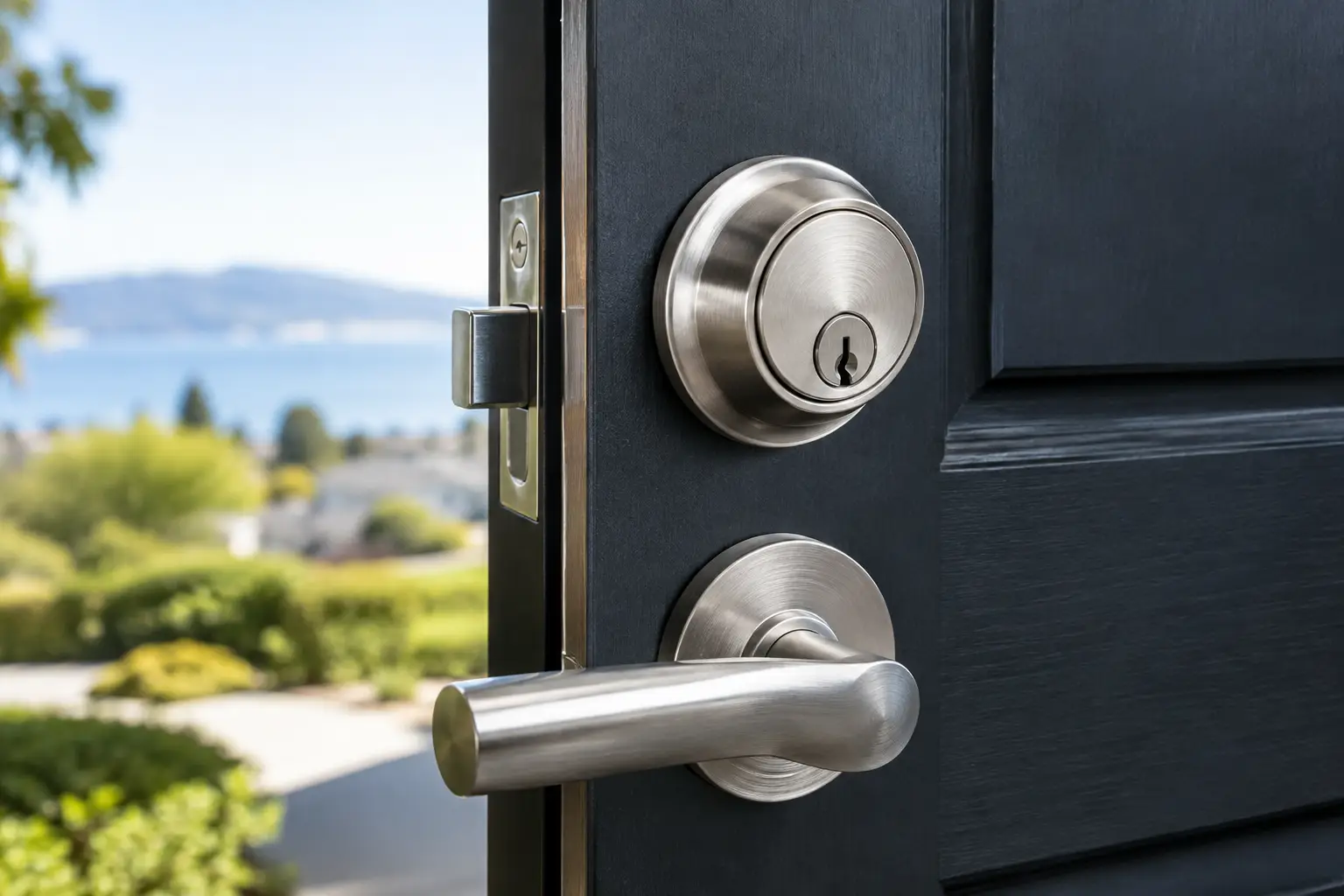
Lock replacement means removing the existing lock hardware and installing a new lock. Depending on the door, that may involve replacing a deadbolt, knob lock, lever handle, mortise lock, keypad lock, or an entire commercial lockset. New hardware comes with a new keyway and, potentially, upgraded security features.
Both options can protect your property. The difference is whether your current lock is worth keeping.
When Rekeying Is the Smart Choice
Rekeying is often the best option after a key is lost, stolen, or not returned. It is also a practical choice when you move into a new home, buy a business, change tenants, or need to remove access for a former employee, contractor, roommate, or caregiver.
The lock must be in sound mechanical condition. Your key should turn smoothly, the deadbolt should extend and retract without force, and the lock should not show signs of serious rust, looseness, or damage. If the hardware is reliable, there is no need to replace it just because you need a different key.
Rekeying can also simplify access. If several doors use compatible lock hardware, a locksmith may be able to rekey them to work with one key. That can be especially helpful for property managers, small business owners, and homeowners tired of carrying a crowded key ring.
One limitation matters: rekeying does not improve the physical strength of the lock. A basic lock remains a basic lock after it is rekeyed. It prevents old keys from working, but it does not add a stronger bolt, better drill protection, or more durable internal components.
When Lock Replacement Is the Safer Move
Replace a lock when it is damaged, unreliable, outdated, or no longer appropriate for the level of security required. A lock that turns roughly, jams, spins, has a loose cylinder, or requires repeated key wiggling should not be ignored. Those problems can leave you locked out, unable to secure the door, or vulnerable to a forced entry.
Replacement is also the right choice after a break-in attempt when the lock, strike plate, door frame, or surrounding hardware has been compromised. Rekeying a damaged deadbolt may stop an old key from working, but it will not repair bent hardware or restore the lock’s original strength.
Many property owners replace locks when upgrading from builder-grade hardware to a higher-security deadbolt, a commercial-grade lever lock, or an electronic access solution. This is common for front doors, office entrances, storage rooms, and rental properties where access needs change frequently.
If your current hardware has been discontinued or uses a key type that is difficult to duplicate, replacement can prevent future service problems. It may also be necessary when the existing lock cannot be rekeyed because of its design, internal damage, or missing components.
Rekeying vs Lock Replacement: How to Decide
Start with the condition of the lock, then consider the reason you are changing access. If you trust the hardware but not the old keys, rekeying is usually the efficient answer. If you do not trust the hardware itself, replacement is the better investment.
A recently purchased home is a good example. If the existing deadbolts are quality locks that work smoothly, rekeying them immediately can give you control without changing the appearance of the doors. But if the locks are loose, mismatched, visibly worn, or offer little resistance, replacing them can be a better long-term decision.
For a rental unit, rekeying between tenants is often practical when the lock is in good working condition. However, a property manager should replace hardware that has been repeatedly repaired, damaged by forced entry, or exposed to heavy use. Saving money on the initial service does not help if the tenant later gets locked out because the old lock failed.
At a business, access changes can be more complicated. Rekeying may be ideal after staffing changes, particularly for a small office with traditional keyed doors. A larger facility may benefit more from replacing selected locks or moving to hardware that supports controlled access, restricted key systems, or electronic entry. The decision should reflect how many people need access, how often staff changes, and what areas require tighter control.
Cost, Convenience, and Long-Term Security
Rekeying is generally less expensive than replacing a lock because it uses the hardware already on your door. It can also be faster when the existing lock is compatible and in good condition. For a customer dealing with lost keys or an urgent access concern, that efficiency matters.
Replacement costs more because it includes new hardware and installation. Still, replacement may cost less over time when an old lock is becoming unreliable. Repeated repairs, lockouts caused by a failing mechanism, and damage from forcing a stuck door can become more expensive than installing dependable hardware once.
Appearance can also influence the choice. Rekeying lets you keep matching door hardware, which is useful for historic homes, coordinated residential finishes, or commercial spaces with standardized locks. Replacement gives you the opportunity to update the look, finish, function, and security rating of the hardware.
Do not choose solely based on the lowest immediate price. A front door protecting your family, inventory, equipment, or tenants deserves a lock that works consistently and fits the risk. A qualified locksmith can inspect the hardware on-site and explain whether rekeying is a responsible solution or merely a temporary one.
Why Professional Service Matters
A lock can appear fine while internal parts are worn or the door is misaligned. If a deadbolt is forced against a poorly aligned strike plate every time the door closes, the mechanism can fail prematurely. Rekeying alone will not fix that problem. Proper service includes checking the lock, key operation, latch alignment, door condition, and the security of the strike plate and mounting screws.
Professional rekeying also helps ensure old keys truly stop working. Improper pinning or poor-quality duplicate keys can create inconsistent operation and unnecessary frustration. With lock replacement, correct installation matters just as much. A high-quality deadbolt cannot perform as intended if it is installed loosely or does not align with the frame.
YES Locksmith provides mobile locksmith service for customers in Daly City, San Francisco, and nearby Bay Area communities. A trained technician can assess the condition of your existing locks where the problem is happening, complete the work on-site, and help you avoid unnecessary damage to the door or hardware.
If your keys are missing, access has changed, or a lock is starting to fail, act before it becomes an after-hours emergency. Secure the door you have now, and choose the solution that gives you confidence every time you leave and return.