
Standing outside your car, home, or business without a key creates one urgent question: does insurance cover lockouts? Sometimes it does, but coverage depends on the policy, the type of property involved, and why you cannot get in. A quick call to the right number can save time and out-of-pocket cost. Calling a locksmith first without checking your coverage can also mean missing a reimbursement benefit that was already included in your plan.
For most people in San Francisco, Daly City, and the surrounding Bay Area, the practical answer is simple: get safely back inside first, then protect your ability to file a claim. A professional locksmith can provide damage-free entry, but your insurer may require you to use roadside assistance, get approval, or save an itemized receipt.
Does Insurance Cover Lockouts for Your Car?
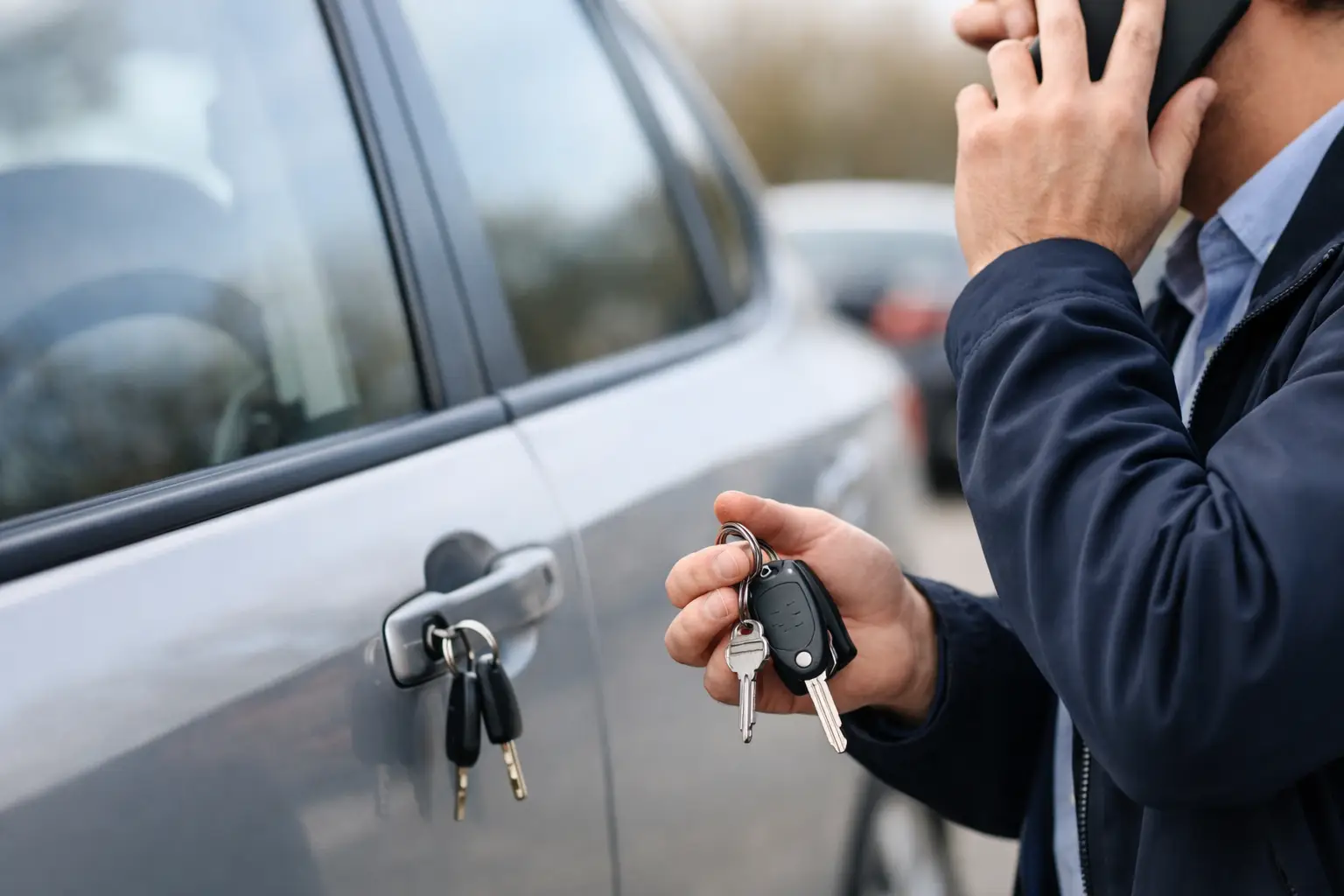
Auto insurance may cover a vehicle lockout through roadside assistance coverage, sometimes called towing and labor coverage. This is usually an optional add-on rather than part of basic liability, collision, or comprehensive insurance. If you selected roadside assistance when you bought your policy, it may pay for a locksmith to open your vehicle, replace a lost key in limited situations, or tow the vehicle when entry cannot be completed safely.
Coverage limits matter. Many plans pay only up to a set dollar amount per incident, limit the number of service calls per year, or require you to contact the insurer’s dispatch line first. Some carriers will send their own provider. Others allow you to call a local locksmith and submit your paid invoice for reimbursement.
A standard auto policy without roadside coverage usually does not pay for a routine lockout. Comprehensive coverage may help if keys were stolen during a covered theft, but it generally will not cover keys left inside the car, a misplaced key fob, or a normal lockout caused by a dead key battery. Even when key replacement is covered, your deductible may be higher than the cost of locksmith service.
If you are locked out of your car, ask your insurer these questions before authorizing service if the situation allows:
- Do I have roadside assistance or towing and labor coverage?
- Must I use your dispatch provider, or can I choose a locksmith?
- Is locksmith entry covered, and what is the per-call limit?
- Are lost, stolen, or damaged keys covered separately?
- Do you need pre-approval, photos, or an itemized receipt?
Do not wait on hold in an unsafe location just to confirm coverage. Move to a well-lit area, call for immediate help, and keep all paperwork. Safety comes first.
Homeowners Insurance and House Lockouts
Most standard homeowners insurance policies do not cover the cost of getting back into your own home after you lock yourself out. A house lockout is usually treated as a routine maintenance or personal-expense issue, not sudden property damage from a covered event.
There are exceptions. If a break-in damages your locks, a burglar steals your keys, or a covered event such as a fire damages the door or lock hardware, your policy may help pay for repair or replacement. But a locksmith visit solely to open a locked door is unlikely to qualify. And when it does fall under a covered loss, the deductible often makes filing a claim impractical for a small locksmith bill.
That distinction matters. For example, losing your house key at a restaurant is typically not an insurance claim. Discovering that your keys were stolen along with documents showing your address is different. In that case, rekeying or replacing locks may be a reasonable security response, and your insurer may be able to explain whether any related coverage applies.
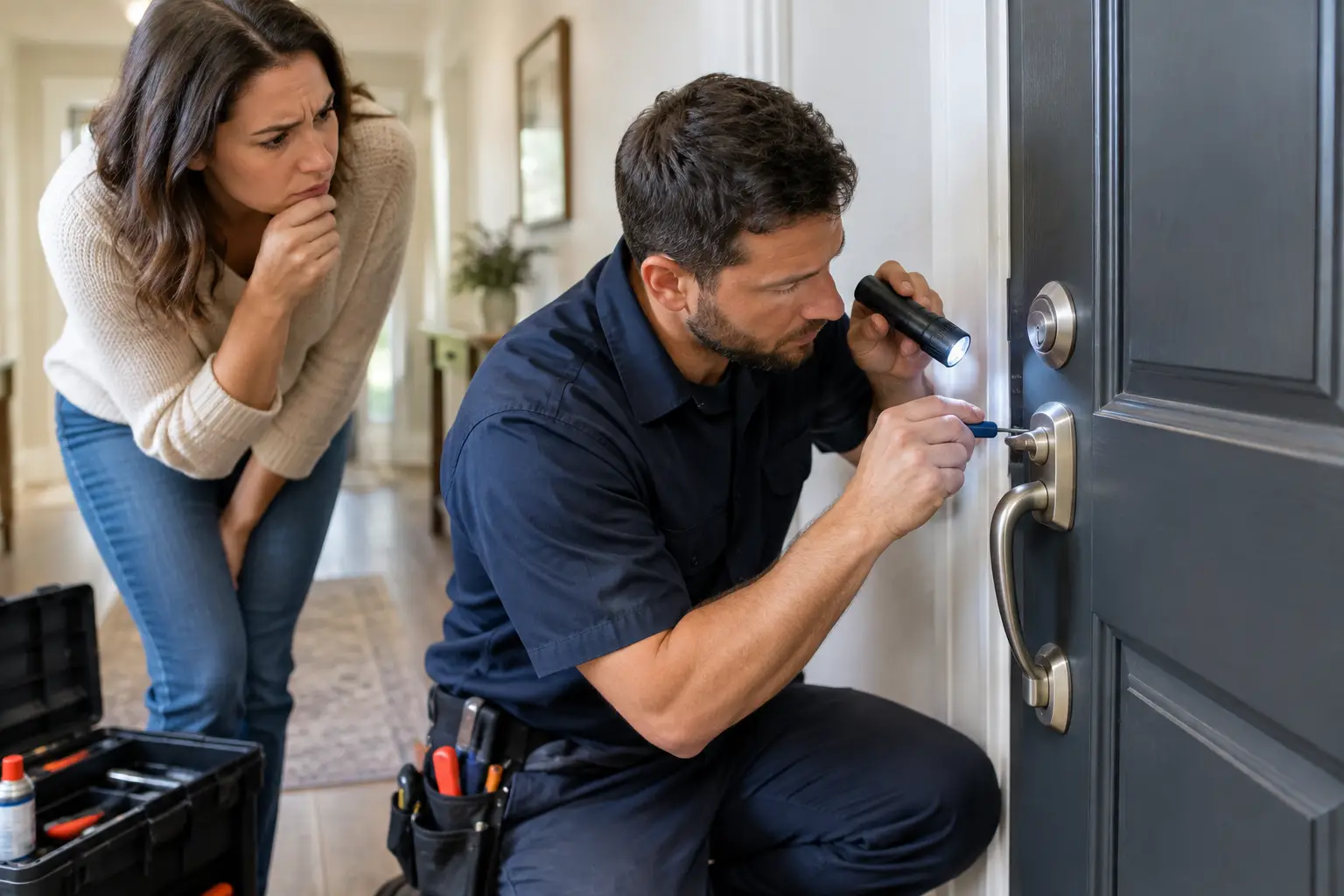
Avoid forcing a door, breaking a window, or damaging a lock to get inside. Those repairs can cost far more than professional lockout service, and intentional damage may not be covered. A trained mobile locksmith can assess the lock and use the least destructive method available to restore entry.
Does Renters Insurance Cover Lockouts?
Renters insurance works much like homeowners insurance for lockouts. It commonly protects your personal belongings from covered losses, but it does not normally pay a locksmith to open an apartment door after you leave your keys inside.
Your lease is also part of the equation. Many apartment communities charge a lockout fee, especially after office hours. Some require tenants to contact onsite management before hiring an outside locksmith. Others allow a locksmith but may require identification and proof that you live in the unit before access is granted.
If your keys are stolen, tell your landlord or property manager promptly. They may choose to rekey the unit, issue a replacement access fob, or change access codes. Renters insurance may help with stolen personal property, but the building’s lock and access system are generally the property owner’s responsibility.
Business Lockouts and Commercial Insurance
Commercial property insurance and business owners policies are not designed to cover every misplaced key, failed access card, or employee lockout. Routine locksmith calls are typically operating expenses. However, lock service may be connected to a covered claim after burglary, vandalism, fire, or another insured event damages doors, locks, gates, or access-control equipment.
Businesses have more at stake than a delayed morning opening. A lost master key, former employee key, or missing access credential can create a security concern that requires immediate rekeying or lock replacement. Insurance may not pay for the service, but waiting to act can be more expensive if the property is exposed.
Property managers and facility teams should keep an approved locksmith contact, clear authorization procedures, and records of who holds keys. That preparation prevents confusion when an employee is locked out of a storefront, office, storage room, or common area after hours.
When Roadside Memberships and Other Benefits Help
Insurance is not the only possible source of lockout coverage. Roadside membership programs, vehicle warranties, credit card benefits, dealership programs, and employer fleet plans can include lockout assistance. These programs may dispatch a provider directly or reimburse part of the charge after service.
Read the terms closely. Some benefits cover only labor to open the vehicle, not key cutting, programming, key fob replacement, or parts. Modern vehicles can require specialized tools and programming equipment, particularly when all keys are lost. The plan may cover the initial lockout but leave the replacement key cost to the vehicle owner.
For home and commercial situations, a home warranty may offer limited lock coverage, but it is not a reliable substitute for emergency locksmith service. Policies vary, service calls may have waiting periods, and authorization requirements can slow down an urgent situation.
What to Do Before You File a Lockout Claim
Once you are safe and have regained access, gather the details while they are fresh. Keep the locksmith’s itemized invoice, including the service date, location, vehicle or property information, work performed, and payment method. If keys were stolen or there was attempted forced entry, document the circumstances and file a police report when appropriate.
Call your insurer or benefit provider and ask whether the expense qualifies for reimbursement. Be direct about what happened. Coverage can be denied if a routine lockout is reported as theft or damage without evidence. If the cost is below your deductible, paying the locksmith directly is often the better choice.
A lockout is stressful enough without guessing who will pay. Check your roadside, auto, home, renters, or commercial policy when you have a moment, not only when you are standing outside. When immediate access and property safety are on the line, YES Locksmith provides professional mobile service to help you get back in without unnecessary damage.