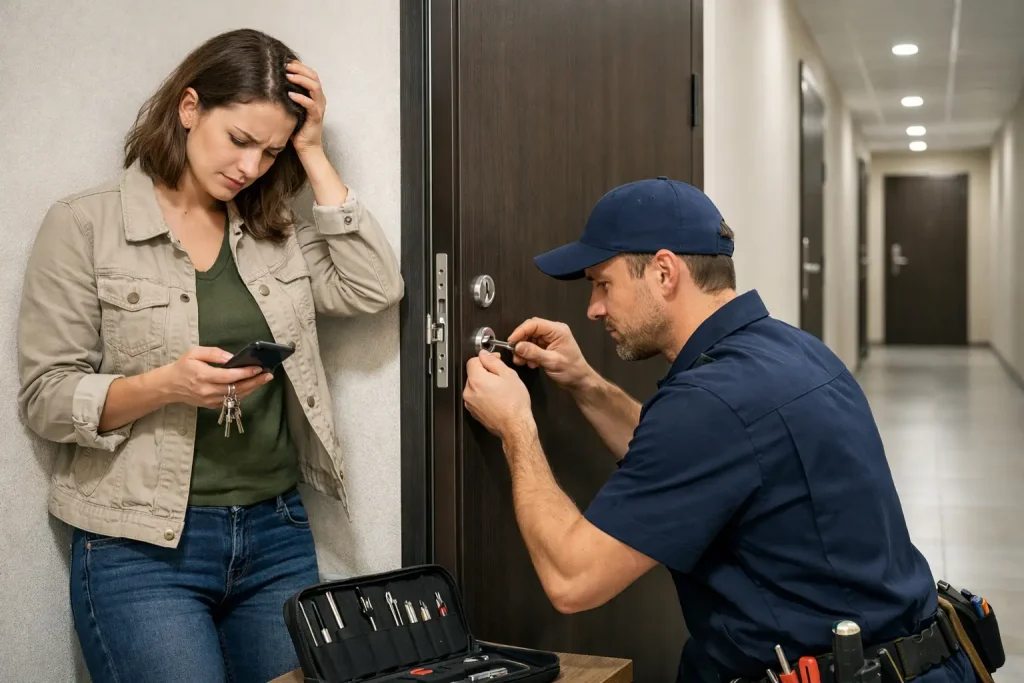

Standing outside your apartment with your keys on the kitchen counter is frustrating. If it is late, raining, or you have a child, pet, medication, or food cooking inside, it can become an urgent safety concern fast. Knowing how to handle apartment lockout the right way protects your property, your lease, and your wallet.
The main rule is simple: do not force the door. A damaged lock, broken frame, or shattered window can turn a straightforward lockout into an expensive repair and may create questions with your landlord or property manager. Take a breath, confirm your options, and get qualified help when you need it.
First, make sure everyone is safe
Before focusing on the locked door, look for an immediate hazard. Is a young child alone inside? Is a pet in dangerous heat or cold? Did you leave the stove, an iron, candles, or a bathtub running? If there is a credible risk of fire, injury, or another life-safety emergency, call 911.
For a standard lockout with no immediate danger, move to a safe, well-lit area. If you are in a shared apartment building, wait in the lobby or near a staffed entrance rather than sitting alone outside your unit. Keep your phone charged if possible, and avoid posting publicly that your apartment is empty or that you are locked out.
How to handle apartment lockout through your building
Check your lease, tenant portal, or building notices for after-hours lockout instructions. Many apartment communities have an on-site manager, front-desk staff member, security team, or maintenance contact who can verify your identity and provide access. Some properties charge a lockout fee, particularly outside business hours, but it may still be the fastest option.
Have proof of residency ready. A photo ID with the apartment address is helpful, but many renters do not carry one. A current lease, utility bill, renter’s insurance document, or building portal screen can support your request. Property staff must be careful about granting access, so do not take identity verification personally. It protects every resident in the building.
If you rent a condominium directly from an owner, contact the owner or their designated property manager first when practical. They may have instructions for a spare key or may authorize a locksmith. However, do not wait for an unavailable contact if a lockout is affecting your safety, work, or ability to secure the home.
Do not try to defeat or damage the lock
It may be tempting to use a credit card, screwdriver, hairpin, or online lock-picking trick. These methods are unreliable, can damage the latch or door, and can make a locksmith service more difficult and costly. They can also raise security concerns in a rental community.
Do not climb balconies, access windows from fire escapes, or attempt to enter through a neighboring unit. Besides the risk of a fall or injury, these actions can damage the building or create the appearance of an unauthorized entry. Even if you live there, property rules and local safety requirements still apply.
A locked door is doing the job it was designed to do. The safest solution is usually professional, non-destructive entry by a qualified locksmith or authorized building representative.
Call a local locksmith when building help is not available
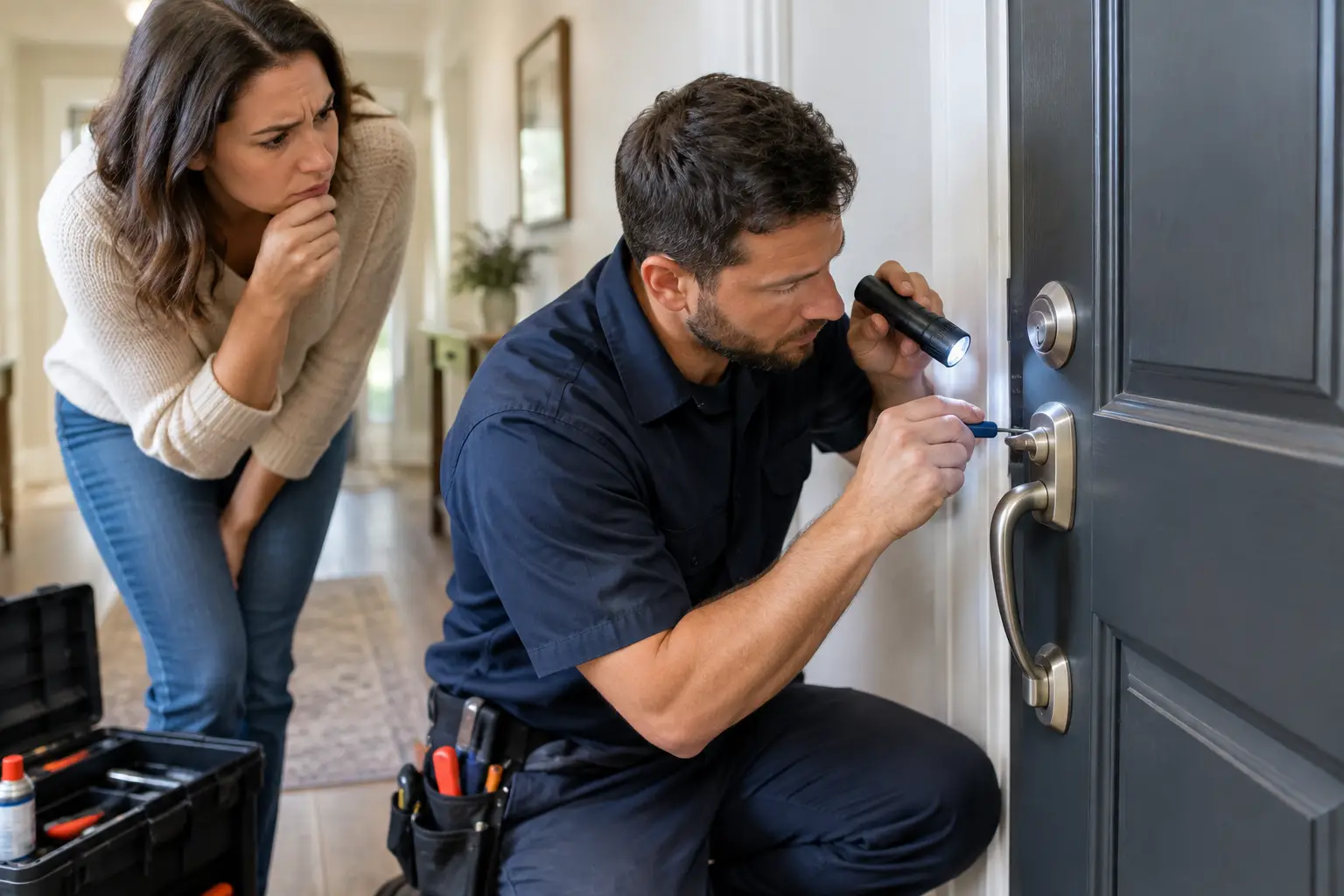
A licensed, bonded, and insured mobile locksmith can come to your location, verify that you are authorized to enter, and use appropriate methods to regain access without unnecessary damage. For renters in Daly City, San Francisco, and nearby Bay Area communities, YES Locksmith provides mobile emergency lockout service for residential doors and existing lock hardware.
When you call, explain the situation clearly. Tell the technician whether it is a deadbolt, knob lock, smart lock, or security door, and mention any urgent conditions inside the apartment. Ask for an estimate, expected arrival window, and whether there may be additional charges for after-hours service, specialized hardware, or a lock that must be replaced.
A professional locksmith should identify themselves, assess the door, and request proof that you live there before opening it. That verification is a positive sign. It means the technician takes your security seriously rather than opening a residence for anyone who asks.
What affects the cost of an apartment lockout?
Pricing depends on the time of day, your location, the type of lock, and whether the lock can be opened without replacement. A basic residential lockout during regular hours may be less expensive than an overnight call involving a high-security deadbolt or a damaged keyway.
Be cautious of vague quotes that sound unusually low but do not explain service fees, labor, or potential hardware costs. Ask for the full expected charge before work begins whenever possible. A reputable technician should communicate clearly if the situation changes after inspecting the lock.
Once you are back inside, check the door and your keys
Before the locksmith leaves, test the lock from both sides of the door. Make sure the latch engages properly, the deadbolt turns smoothly, and the door closes without sticking. If the lock was drilled or damaged before the technician arrived, ask what replacement options fit the existing door and your landlord’s requirements.
If your keys were simply left inside, retrieve them and consider why the lockout happened. If a key was lost, stolen, or may have been copied without your permission, the issue is bigger than access. Contact your landlord or property manager and consider rekeying the lock, subject to your lease and property rules. Rekeying changes the internal configuration so the old key no longer works, often without replacing the entire lock.
For smart locks, replace or remove temporary codes that were shared with guests, contractors, former roommates, or delivery personnel. Review who has app access as well. Convenience should not leave your apartment exposed.
Prevent the next lockout without weakening security
A spare key can save the day, but hiding one under a mat, flowerpot, or fake rock is not a secure plan. Those are the first places a thief will check. Instead, leave a spare with a trusted nearby person who has agreed to help, such as a family member, close neighbor, or friend.
You can also keep a spare in a secured location you can access without compromising your apartment, depending on your building’s rules. Some residents prefer a keypad lock or smart lock, but those systems have trade-offs. Batteries fail, codes can be shared too widely, and some apartments require written approval before hardware changes. Always get permission before replacing or modifying a rental lock.
Build one quick habit before closing the door: phone, wallet, keys. It sounds basic, but a consistent check at the threshold prevents a large share of lockouts. If your keys frequently stick, bend, or fail to turn smoothly, report the issue before they break in the lock.
Protect your rights and your rental relationship
Most tenants have the right to reasonable access to their home, but the exact process for lockouts and lock changes is governed by your lease and local regulations. Do not change locks or add hardware without understanding the rules. Your landlord may require a copy of the key for emergency access, or they may require approved hardware for fire and building-code compliance.
Keep records if a lockout resulted from a failed building lock, broken key, or maintenance problem. Take a few photos, save receipts, and notify management in writing. If the lock was defective, that documentation can help clarify responsibility for repairs or reimbursement.
A calm response matters most when you are locked out. Stay safe, avoid damaging the door, verify your identity with the right person, and use professional help when access cannot wait. The fastest way back inside should also be the one that keeps your apartment secure when the door closes behind you again.