
A new lock should make your property safer, not create a door that sticks, a key that binds, or a false sense of security. Professional lock installation is about more than putting hardware on a door. It is about matching the lock to the door, the entry point, the people using it, and the level of protection you need.
Whether you have just moved into a home, taken over a commercial space, replaced a damaged lock, or need to control who has access to a rental property, the details matter. A properly fitted lock works smoothly every day and stands up better when someone tries to force the door open.
When Lock Installation Is the Right Move
Lock replacement is not always the only answer. If the existing hardware is in good condition and you simply need old keys to stop working, rekeying may be the faster, more cost-effective option. A locksmith can change the internal pins so your current lock works with a new key.
Installation is usually the better choice when the lock is worn out, damaged, outdated, incompatible with your door, or no longer provides the protection your property needs. It is also the right call after a break-in attempt, when a deadbolt has become loose, or when you want to move from basic hardware to a higher-security option.
For businesses, a lock upgrade can also solve an access-control problem. If keys have been copied, employees have left, or too many people hold keys with no clear record, new hardware and a managed key plan can restore control.
Choosing the Right Lock for the Door
The strongest lock on the shelf will not perform well if it does not fit the door or frame correctly. Before selecting hardware, consider where the lock will be used and how the door is built.
Exterior residential doors
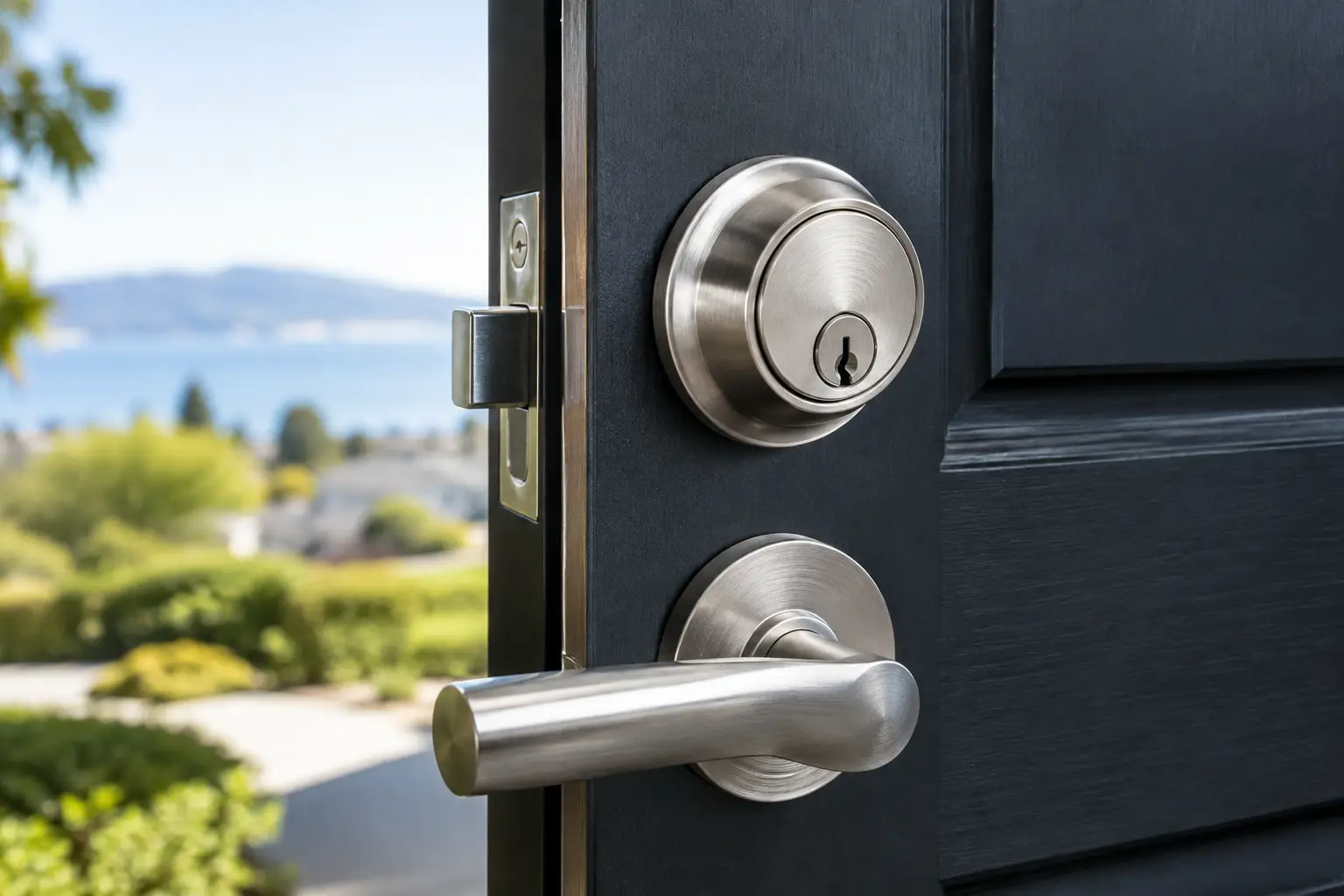
For a front, back, garage-entry, or side door, a quality deadbolt is often the core of the security plan. The deadbolt should be installed with a properly aligned strike plate and long enough screws to secure the hardware into the framing behind the doorjamb, not just the thin trim.
A single-cylinder deadbolt is common for doors without nearby glass. Doors with glass panels may require a different approach depending on local fire-safety requirements and how close the glass is to the thumb turn. The right choice balances forced-entry protection with the ability to exit quickly during an emergency.
Apartment and rental property doors
Property managers and landlords need dependable locks that can be serviced efficiently between tenants. Rekeyable systems can be useful, but only when the hardware remains sound and the key-control process is disciplined. A fresh lock installation may be warranted after damage, repeated tenant turnover, or concerns about unauthorized copies of old keys.
For tenants, do not install or change locks without checking your lease and local requirements first. Your security matters, but so do building access rules and emergency entry procedures.
Commercial doors
Office, retail, warehouse, and multi-tenant properties place different demands on locks. A storefront door may need commercial-grade hardware designed for frequent use. An office may benefit from restricted keyways, lever locks, panic hardware, or access control that tracks entries and allows credentials to be changed without rekeying every door.
Commercial lock installation should account for the door material, occupancy requirements, fire ratings, and safe egress. A lock that prevents unauthorized entry but interferes with emergency exit is not a successful installation.
Why Professional Installation Makes a Difference
A lock can look installed and still be vulnerable. Small errors affect both security and daily operation. Misaligned bolt holes can cause a deadbolt to drag. An improperly placed strike plate can leave the bolt barely engaged. Overtightened screws can damage the hardware, while loose mounting allows the lock to shift over time.
Professional locksmiths assess the full opening, including the door, hinges, jamb, frame, strike, latch alignment, and existing damage. If the door is sagging or the frame has been split, replacing the lock alone may not resolve the real issue. Addressing those conditions protects your investment and helps avoid a return service call.
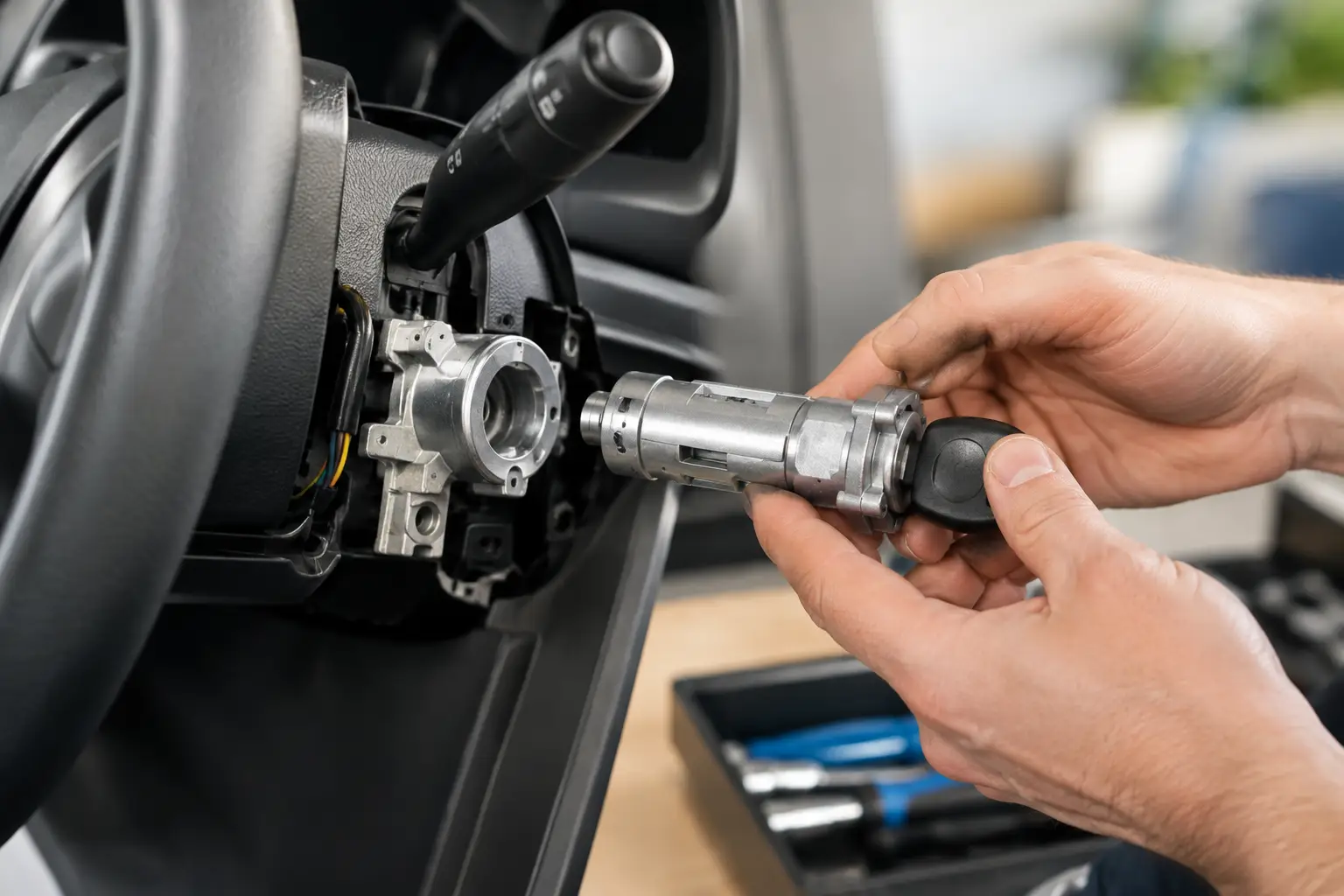
There is also a practical reason to call a trained technician: drilling and modification mistakes are expensive. Many modern locks require precise measurements. An incorrect bore hole, backset, or deadbolt location can weaken the door and leave you with a repair bill that costs more than proper installation would have.
The Lock Installation Process
A dependable locksmith starts by discussing what happened and what you need the lock to accomplish. That may mean replacing a broken deadbolt after a lockout, securing a home after lost keys, or standardizing hardware across several business doors.
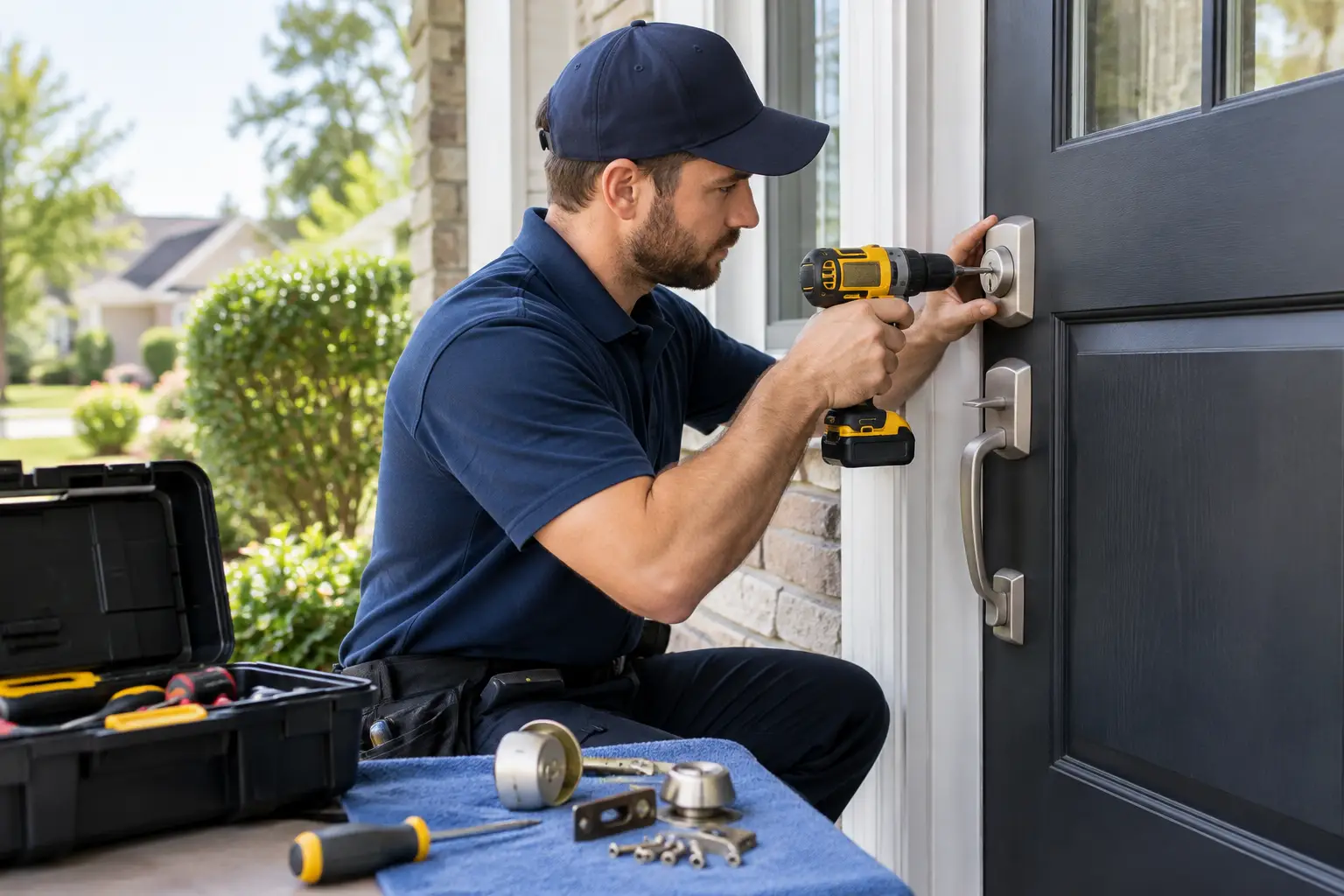
The technician then checks the door condition and confirms the correct lock type, size, and handing. Old hardware is removed carefully, with attention to avoiding unnecessary damage to the door or trim. The new lock is fitted, secured, and aligned with the strike so the bolt extends fully without forcing the door.
Before the job is complete, the lock should be tested repeatedly from both sides. The key should turn cleanly, the latch or deadbolt should engage without resistance, and the door should close securely. For electronic hardware, testing should include codes, credentials, backup access, and battery-related functions.
You should also receive clear information about the keys provided, how to operate the lock, and what to do if the hardware begins to bind or feels loose. Good workmanship does not end when the technician packs up.
Security Upgrades Worth Considering
A new lock is a good time to look at the rest of the entry point. A heavy-duty strike plate, reinforced doorjamb, adjusted hinges, and a properly closing door can make a meaningful difference. Security is usually limited by the weakest part of the opening, not the name on the lock.
For homes, consider whether one key should operate multiple doors or whether separate keys make more sense. Keyed-alike systems are convenient, particularly for homeowners managing several entry doors, but they also mean one lost key affects more locks. The better option depends on your household and risk level.
For commercial properties, controlled key systems and documented key issuance can reduce confusion when staffing changes. Electronic access may offer more flexibility, but it requires ongoing management, batteries or power, and a plan for emergencies. Traditional mechanical locks remain a dependable choice for many doors, especially when installed and maintained properly.
Signs You Should Not Wait
Do not ignore a lock that suddenly becomes difficult to turn, spins without engaging, has a loose cylinder, or shows visible damage around the strike or door edge. These issues can leave you locked out at the worst time or expose your property to forced entry.
Urgent service is also appropriate after a lost or stolen key, a tenant or employee departure with unreturned keys, a break-in attempt, or a key that has snapped inside the lock. In those moments, the priority is to restore secure access quickly without causing avoidable damage to the door.
YES Locksmith provides mobile residential and commercial locksmith service throughout Daly City, San Francisco, and nearby Bay Area communities. Our licensed, bonded, and insured technicians arrive prepared to assess the problem on-site and install, repair, replace, or rekey hardware with your safety in mind.
Get a Lock That Works When It Counts
The lowest-priced lock or fastest DIY fix can become costly if it fails, damages the door, or leaves a weak point at your entry. Choose hardware that fits your property, have it installed with care, and address problems before they become a lockout or security emergency.
If your door is not closing securely, your keys are no longer under your control, or your existing hardware has seen better days, arrange professional lock service. A properly secured door gives you one less thing to worry about when you leave for work, close your business, or settle in for the night.