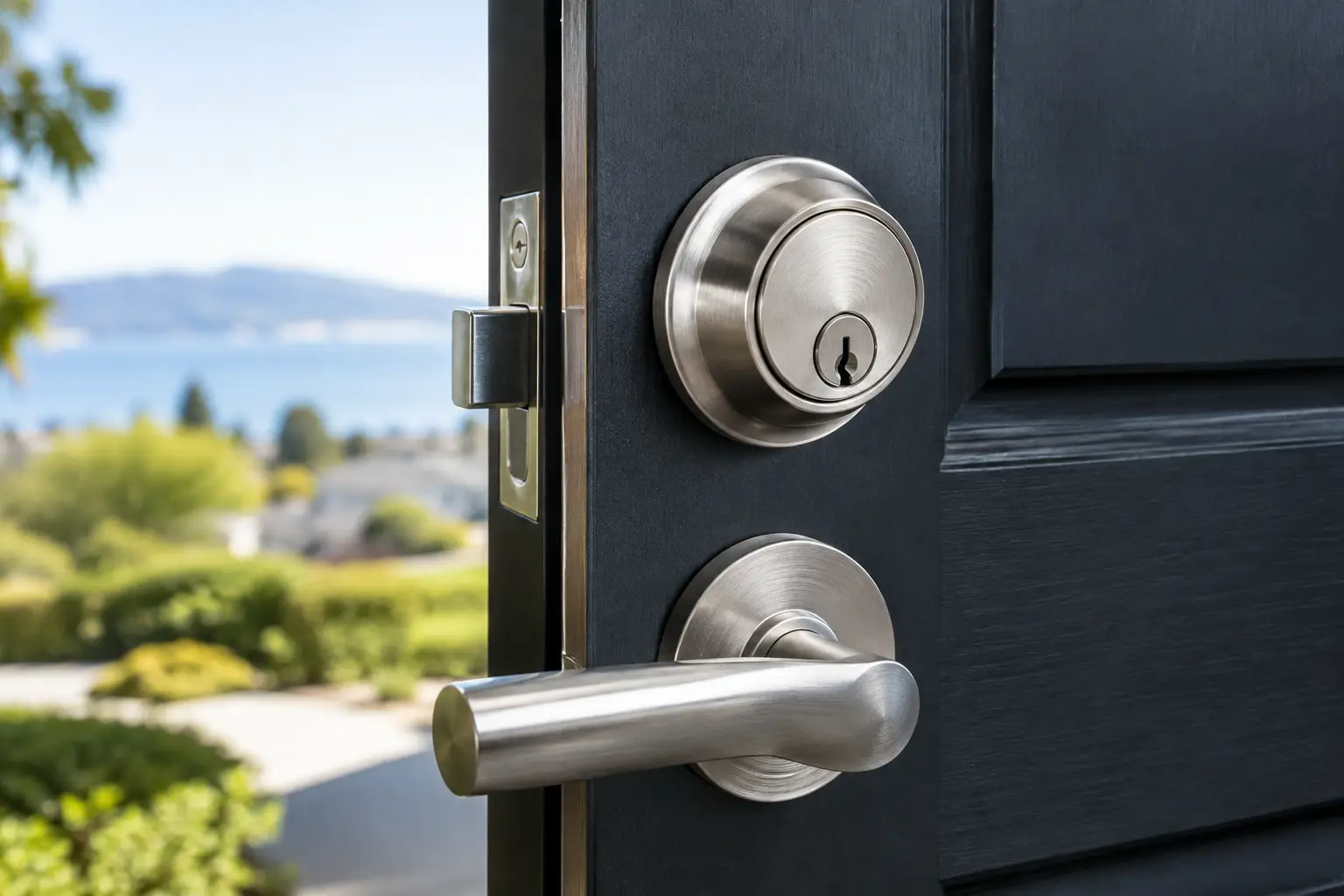

A deadbolt can look solid on the door and still leave a home vulnerable. The difference often comes down to what is inside the lock, how it is mounted, and whether the door frame can withstand force. This high security deadbolt review explains what Bay Area homeowners, landlords, and business owners should look for before replacing a lock.
A better deadbolt is not just about buying the most expensive hardware on the shelf. Your door, strike plate, key control needs, and existing lock condition all matter. A professionally selected and installed lock helps prevent avoidable security gaps without creating keying, code, or access problems later.
What Makes a Deadbolt High Security?
The term “high security” is used loosely. A lock is not truly high security simply because it has a heavy-looking bolt or an attractive finish. The best options combine resistance to forced entry, protection against common lock attacks, controlled key duplication, and correct installation.
For most residential exterior doors, start with a deadbolt that carries an ANSI Grade 1 rating. This is the highest common residential and light-commercial grade for durability and forced-entry performance. Grade 2 hardware can be suitable for some homes, but Grade 1 is the stronger choice for a front door, side entry, garage entry door, or rental property where security is a priority.
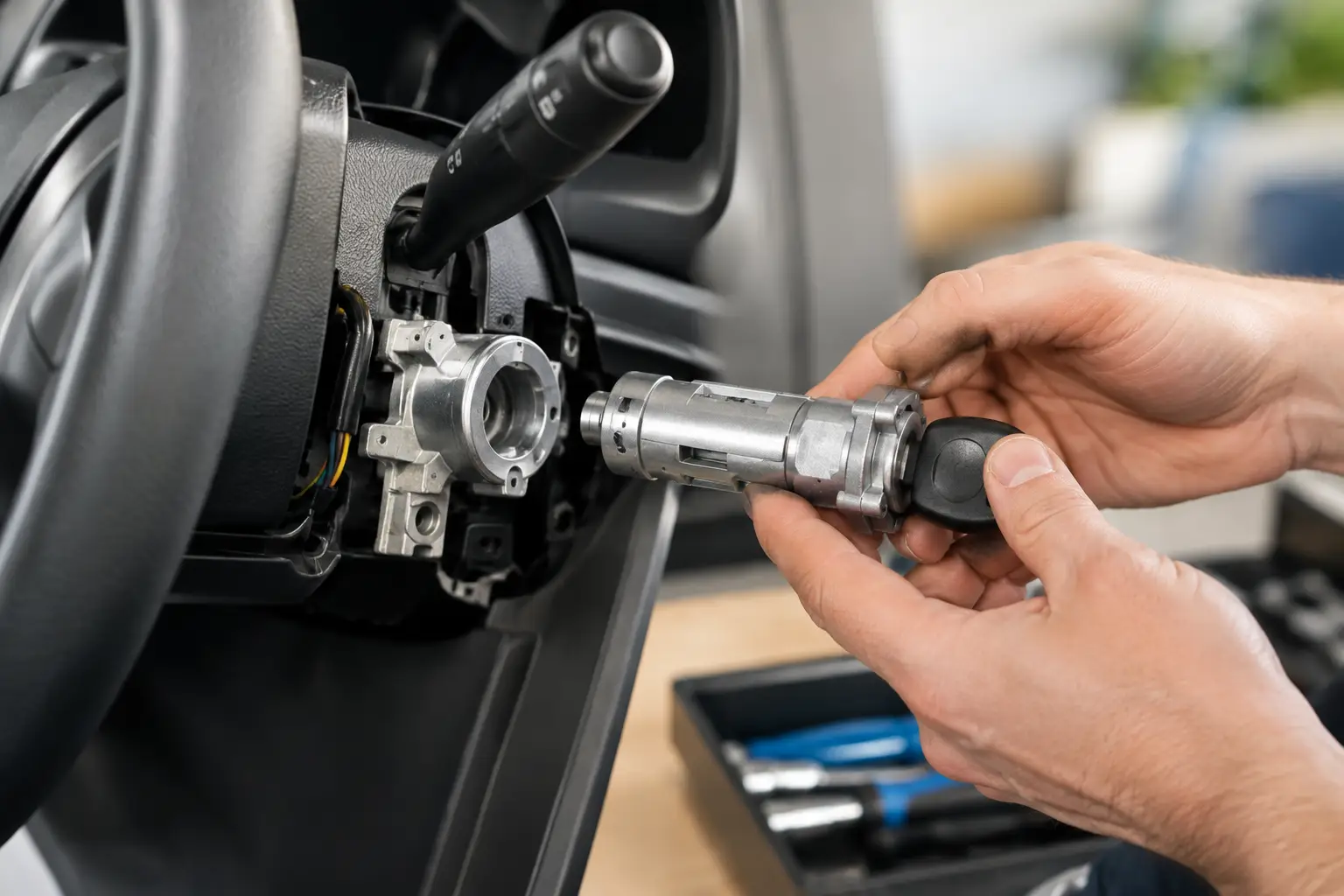
The cylinder matters just as much as the bolt. Standard pin-tumbler locks may be vulnerable to picking, bumping, or unauthorized key copying, depending on the product and keyway. Higher-security cylinders can include hardened inserts, sidebars, restricted keyways, and patented key systems designed to make common attacks more difficult and key duplication more controlled.
No mechanical lock is invincible. The purpose of a quality deadbolt is to slow an intruder, resist common methods of attack, and make your entry door a less attractive target. That extra resistance gives you more protection and can make a real difference during an attempted break-in.
High Security Deadbolt Review: The Features That Count
When comparing deadbolts, focus on the full security system rather than a single advertised feature. A hard bolt does not help much if the strike plate is held in place with short screws. A restricted keyway loses value if spare keys are handed out without a record.
ANSI Grade 1 construction
A Grade 1 deadbolt has been tested to a higher standard for strength, operational cycles, and impact resistance. It is usually the right baseline for primary exterior doors. This does not mean every Grade 1 lock provides the same key control or drill protection, but it establishes a dependable foundation.
Drill and pull resistance
Some higher-security cylinders use hardened steel components to resist drilling. Others are designed to resist pulling or cylinder twisting attacks. These features are especially relevant when a door is exposed, poorly lit, or accessible from a side yard, shared hallway, garage, or alley.
Do not confuse marketing language with tested performance. A locksmith can identify whether a lock’s protective components are meaningful for your door or whether you are paying for a feature that does not address the actual risk.
Restricted keys and key control
Key control is one of the strongest reasons to upgrade beyond an ordinary deadbolt. With a restricted key system, keys cannot be duplicated at every hardware store or kiosk. Copies are generally issued through authorized channels, which gives owners and property managers more control over who can obtain one.
This is particularly useful for rental homes, small offices, retail spaces, and properties that have changed hands over time. If you do not know how many keys are in circulation, rekeying or replacing the cylinder may be a smarter investment than adding another lock to the door.
A reinforced strike plate and long screws
The lock is only one part of the opening. The strike plate anchors the deadbolt to the frame, and the frame transfers force into the wall structure. A reinforced strike plate installed with properly sized screws that reach the framing can significantly improve resistance to kick-in attempts.
This upgrade is often overlooked because it is not as visible as a new deadbolt. It is also one of the reasons professional installation matters. The bolt must align cleanly with the strike, and the strike must be secured without splitting, weakening, or misaligning the frame.
Correct door and frame condition
A premium deadbolt cannot compensate for a damaged jamb, loose hinges, rotted wood, warped door, or cracked frame. On older San Francisco and Daly City properties, doors may have shifted over years of settling, weather exposure, or previous repairs. If the bolt does not fully enter the strike, the lock is not providing its intended protection.
A qualified locksmith should inspect the entire opening before recommending hardware. Sometimes the correct answer is a new deadbolt. Sometimes the safer repair is reinforcing the frame, adjusting the strike, replacing worn hardware, or rekeying an existing quality lock.
Choosing the Right Lock for Your Property
The best deadbolt depends on who uses the door and how access is managed. A homeowner may prioritize a durable Grade 1 deadbolt with a protected cylinder and a matching key system. A landlord may need restricted keys, documented key issuance, and a fast rekeying plan between tenants. A business may need a commercial-grade lever, deadbolt, or access-control solution rather than a residential product.
Smart deadbolts can add convenience, especially for short-term access, contractors, family members, or employee code management. But they have trade-offs. Battery maintenance, app security, emergency override access, door alignment, and user management all need attention. A smart lock should not be chosen only because it offers remote access. The mechanical hardware behind it still needs to be strong and correctly installed.
Double-cylinder deadbolts are another area where the right answer depends on the situation. They require a key from both sides and can prevent someone from reaching through nearby glass to turn the thumbturn. However, they can also create an emergency exit concern. Local building and fire safety requirements, the door layout, and how the property is used should be evaluated before installing one.
Common Deadbolt Mistakes That Reduce Security
Many security problems begin with a good lock installed the wrong way. A deadbolt should extend fully into the strike without lifting, pushing, or pulling the door. If the bolt binds, residents may stop using it, force the key, or damage the cylinder over time.
Another common mistake is replacing only the visible exterior hardware after a lost key or tenant turnover. If the cylinder is not rekeyed or replaced, old keys may still work. For homes with multiple exterior doors, unmatched locks can also lead to too many keys and unnecessary confusion during an emergency.
Avoid installing a new deadbolt over a weak door. Hollow-core exterior doors, damaged jambs, and loose hinges should be addressed first. Also be careful with inexpensive products that advertise “high security” without clear grade information, reliable key support, or available replacement parts.
When to Call a Locksmith for a Security Upgrade
Call for a professional evaluation if your deadbolt is hard to turn, your door must be pushed or pulled to lock, keys have been lost or copied without your permission, or you recently moved into a home or took over a business space. These are practical reasons to inspect and improve security before a lock failure or access issue becomes an emergency.
A mobile locksmith can assess the door on-site, explain realistic options, and install or rekey the right hardware without unnecessary damage. For property managers and business owners, a planned security upgrade can also reduce the disruption of employee changes, tenant turnover, and broken-key calls.
YES Locksmith helps Bay Area customers evaluate deadbolts, repair damaged locks, rekey existing hardware, and install security upgrades where they are needed most. The goal is not to oversell a lock. It is to give your door dependable protection that works every time you leave, return, or need to secure the property quickly.
A high-security deadbolt is most effective when it matches the door, the people using it, and the risks around the property. If your current lock feels loose, outdated, difficult to operate, or impossible to control, addressing it now is far easier than dealing with a break-in, lockout, or failed lock later.