
A missing house key, a departing employee, or a new tenant can create the same immediate question: should you change the lock or just make another key? The answer comes down to rekeying versus duplication. One option restores control over who can enter. The other gives an authorized person convenient access without changing the lock at all.
For homeowners, drivers, business owners, and property managers in the Bay Area, choosing correctly can prevent unnecessary expense and close a real security gap. A professional locksmith can assess the lock, the key, and the circumstances on-site, then recommend the service that protects your property without replacing hardware that still works.
Rekeying Versus Duplication: The Core Difference
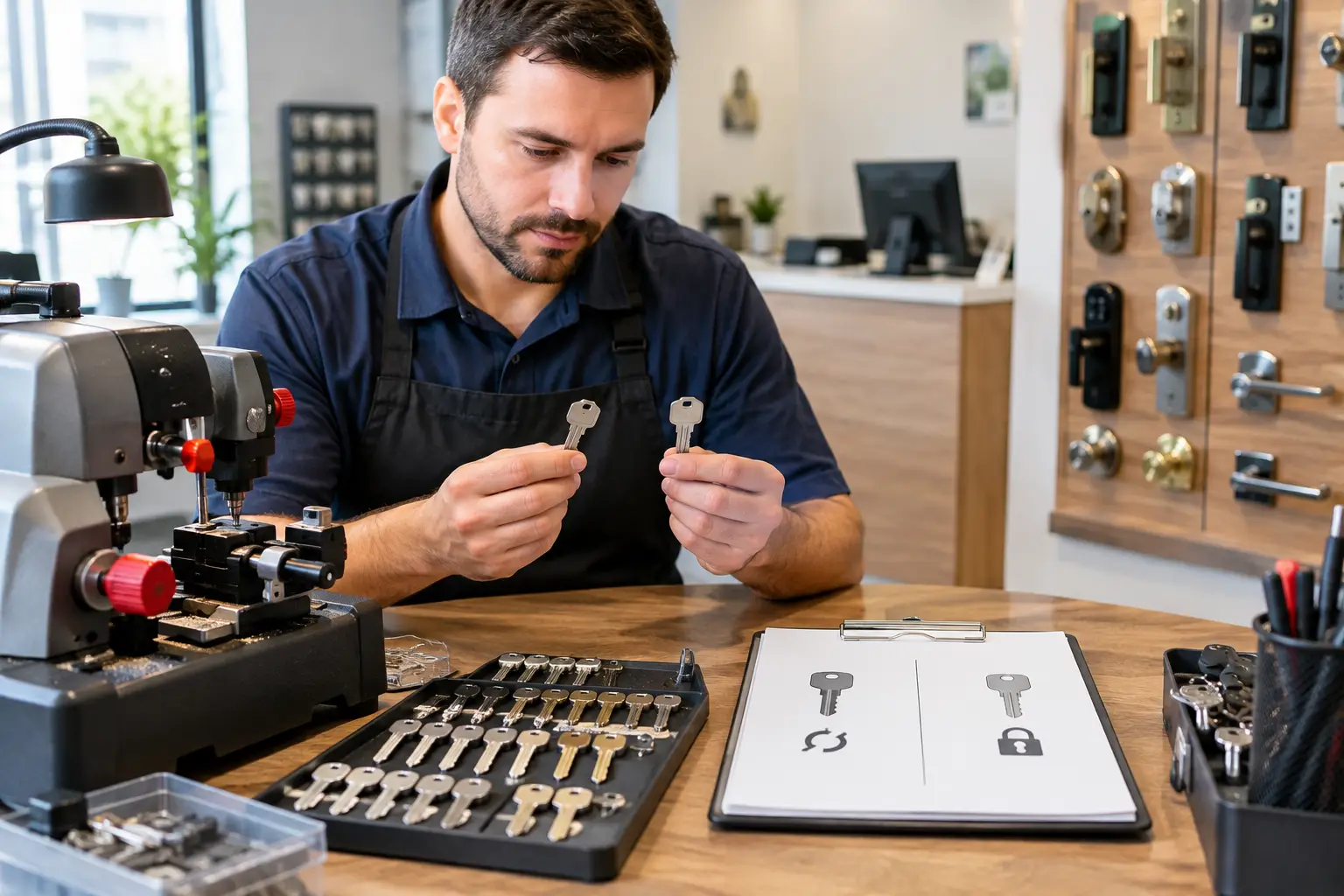
Key duplication creates a copy of an existing working key. The lock stays exactly as it is, and every previously issued key continues to work. It is the right service when you trust everyone who already has access and simply need an extra key for a spouse, roommate, employee, caregiver, contractor, or emergency spare.
Rekeying changes the internal pin configuration inside a lock cylinder. Once the lock is rekeyed, the old key no longer works. You receive a new key that matches the new configuration, while the existing lock hardware generally remains on the door.
That distinction matters. Duplicating a lost key does not stop the lost key from opening your door. Rekeying does. If a former tenant, ex-employee, vendor, or unknown person could still possess a key, duplication adds convenience but does not solve the security problem.
When Key Duplication Is the Better Choice
Duplication is usually faster and less involved when your current access setup is secure. Perhaps you just moved in and received one working key from the owner, or your teenager needs a key for after school. Maybe a trusted employee needs regular access to a storefront, or you want a spare kept in a secure location.
In these situations, a properly cut duplicate is practical and cost-conscious. A locksmith can verify that the original key is in good condition and create a copy that operates smoothly. Poorly cut keys can stick, require force, or wear down a lock over time, so quality matters more than many people realize.
Duplication also makes sense when the lock uses a restricted or high-security key system, although these keys may require authorization or specialized equipment. A professional will explain what is permitted and make sure the new key is compatible with your existing hardware.
Do not rely on a duplicate if the original key is bent, severely worn, cracked, or inconsistently working. Copying a damaged key often copies the problem. In that case, the locksmith may be able to cut a fresh key to the proper specifications, repair the issue, or recommend rekeying if the lock itself is worn.
When Rekeying Is the Safer Move
Rekeying is a security decision. It is the right call when you no longer know who may have a working key or when access needs to change immediately.
A new homeowner should strongly consider rekeying exterior doors on move-in day. Even if the seller hands over every key they have, there may be copies held by past owners, relatives, neighbors, dog walkers, cleaners, contractors, or real estate personnel. Rekeying lets you start with a key system you control.
Rental properties need the same attention between tenants. Property managers and landlords should not assume keys were returned or that no copies were made. Rekeying after a turnover helps protect the next tenant and provides a clear reset for access control.
For businesses, rekeying becomes especially valuable after employee turnover, a misplaced master key, or a change in vendors. One former employee with a key can create an ongoing vulnerability, even when no incident has occurred. A locksmith can rekey selected doors, organize a master-key system, or set up different access levels for offices, storage areas, and common entrances.
Rekeying is also appropriate after a break-in, attempted forced entry, or stolen key ring. If the keys were taken with documents showing your address, vehicle registration, business name, or suite number, act quickly. The person holding those keys may know exactly where to use them.
Rekeying Is Not Always the Same as Replacing a Lock
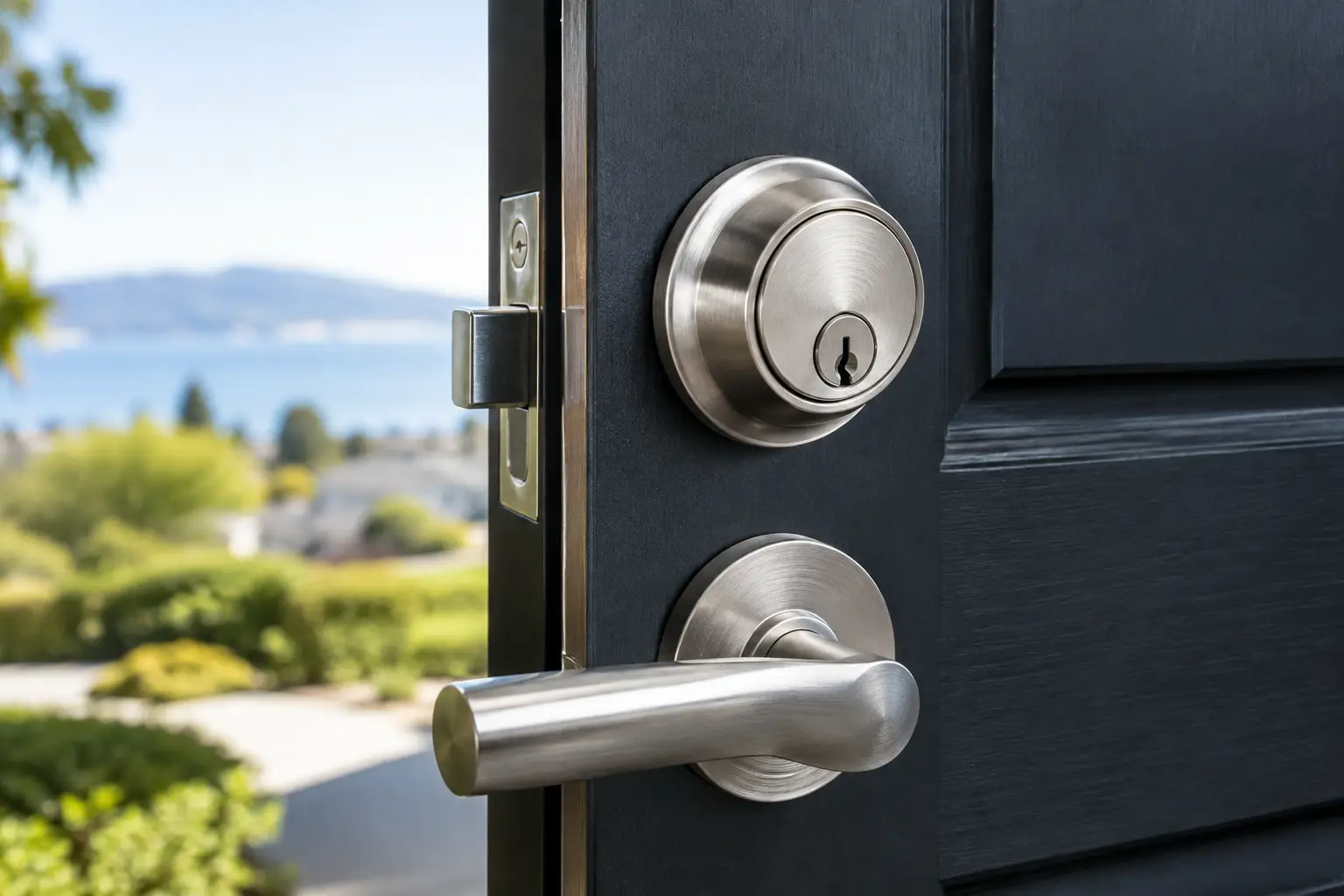
Many customers assume a lost key means replacing the entire lock. That is sometimes necessary, but not always. If the lock is in good condition and uses a serviceable cylinder, rekeying can provide a new key combination without the higher cost of new hardware and installation.
Lock replacement is the better option when the hardware is damaged, worn out, low quality, incompatible with your security needs, or no longer functioning reliably. A door lock that binds, spins, has a loose cylinder, or shows signs of tampering deserves more than a new key pattern. The physical condition of the lock has to support the security you expect from it.
This is where an experienced locksmith protects you from a one-size-fits-all answer. Rekeying a strong, functioning lock is efficient. Replacing a compromised lock is smarter. The right choice depends on the condition of the hardware, the level of risk, and how the property is used.
Cost, Timing, and Convenience
Key duplication is usually less expensive because it does not require disassembling the lock. It can be a straightforward job when a usable original is available. Rekeying involves labor at the lock itself, new pins, and new keys, but it often costs less than replacing multiple locksets.
Timing depends on the number of locks, keyways, and doors involved. A single residential deadbolt may be handled quickly. A commercial building with several entrances, file cabinets, storerooms, and master-key requirements needs more planning. If you are dealing with an active lockout, stolen keys, or a security concern after hours, a mobile locksmith can come to your location and address the issue without asking you to remove hardware or transport keys.
Convenience should never override security. Saving a small amount by duplicating a key after it was lost or stolen can leave your home, office, or rental exposed. On the other hand, replacing every lock when a trusted family member simply needs a spare may be unnecessary. The goal is to pay for the solution that actually fits the risk.
Questions to Ask Before You Decide
Start with one simple question: do you trust that every existing key is accounted for? If the answer is yes, duplication may be enough. If the answer is no, rekeying should be your first consideration.
Next, consider the lock’s condition. Does the key turn smoothly? Is the deadbolt solid? Has the lock been forced, damaged, or repaired repeatedly? A locksmith can inspect the hardware and tell you whether rekeying is appropriate or whether replacement will provide better protection.
Finally, think about future access. A business may need keys that are restricted by role. A property manager may want several units or common areas keyed for efficient maintenance. A homeowner may want one key that works across multiple exterior doors. Rekeying can often organize these systems without replacing every lock, provided the hardware is compatible.
Get the Right Service Without Guesswork
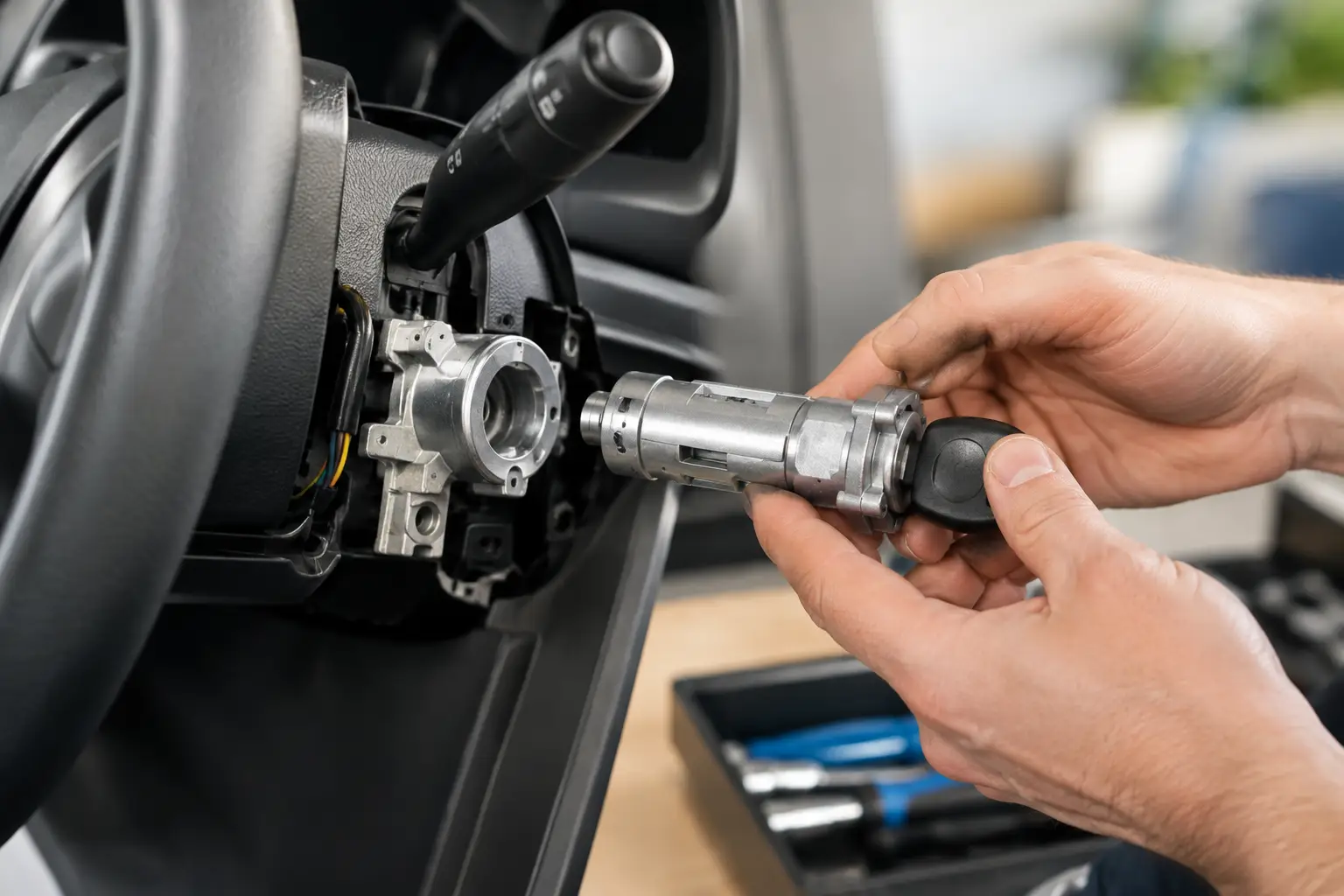
Security decisions are stressful when they happen after a loss, move, turnover, or lockout. You do not need to guess whether a copied key will protect you or whether new hardware is required. A licensed, bonded, and insured locksmith can examine the situation, explain the options clearly, and complete the work with care for your doors, vehicles, and existing hardware.
YES Locksmith provides mobile locksmith support for homes, businesses, and vehicles throughout Daly City, San Francisco, and nearby Bay Area communities. Whether you need an authorized spare key or need old keys disabled right away, the priority is the same: restore access for the right people and keep everyone else out.
If your keys are no longer fully accounted for, treat that uncertainty as a reason to act. A quick rekey now can prevent a far more stressful call later.