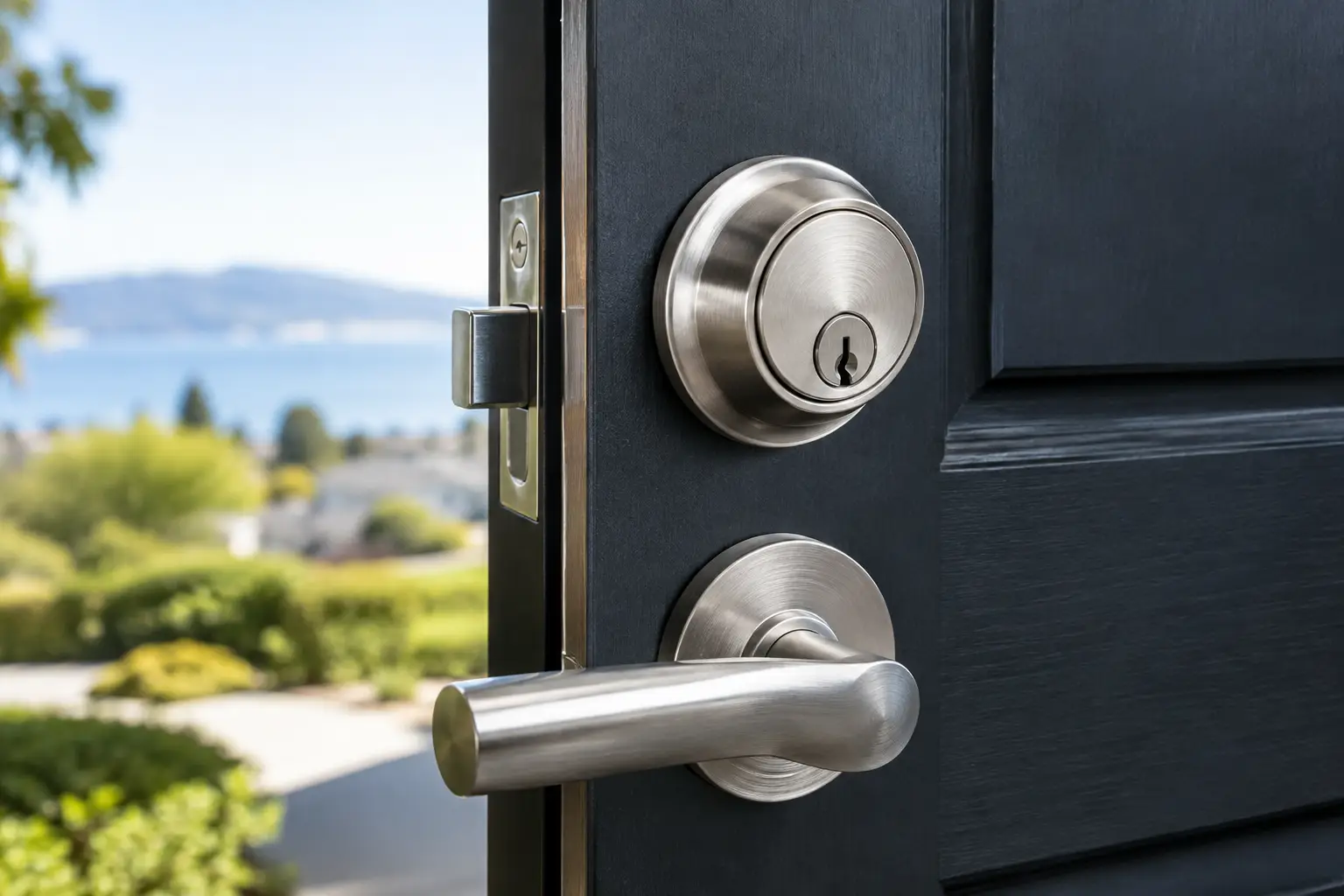
A former employee still has a key. A tenant moved out of a private suite. A cleaning vendor changed, and no one is fully sure how many copies are still out there. That is usually when office lock rekeying moves from a nice idea to an immediate security need.
For business owners, property managers, and office administrators, rekeying is one of the fastest ways to regain control of access without replacing every piece of hardware on the door. When done correctly, it changes which key works with the lock while keeping the existing lock body in place. That means less disruption, lower cost than full replacement in many cases, and a cleaner path back to controlled entry.
What office lock rekeying actually does
Office lock rekeying changes the internal pin configuration of a lock cylinder so old keys stop working and a new key becomes the authorized one. From the outside, the lock often looks exactly the same. The difference is inside the cylinder, where a locksmith resets the lock to match a different key cut.
This matters because many businesses do not need brand-new locks every time access changes. If the hardware is in good shape, rekeying can restore security without removing quality commercial locks that still have years of service left in them. It is a practical solution, but only when the existing lock is compatible and worth keeping.
When rekeying makes sense for an office
The most common trigger is staff turnover. If an employee leaves on bad terms, loses a key, or fails to return it, waiting is a risk. The same goes for temporary staff, contractors, maintenance crews, and vendors who may have had unsupervised access.
Rekeying also makes sense after moving into a new office or taking over a commercial suite. Even if the previous occupant seems trustworthy, there is no reliable way to know how many duplicate keys were made over the years. Landlords, former managers, reception staff, and service providers may all have had copies.
Another common situation is internal access cleanup. Many offices start with one or two keys in circulation and end up with a dozen copies and no record of who has them. Rekeying gives management a chance to reset the system and issue keys with clear accountability.
Rekeying vs. replacing office locks
Rekeying and lock replacement solve different problems. Rekeying is usually the better choice when the lock works well, the hardware is commercial grade, and the main issue is key control. It is often faster and more cost-effective than replacing every lock on an office, especially in multi-door spaces.
Replacement makes more sense when the lock is damaged, outdated, low quality, or no longer matches the security level the office needs. If the lock sticks, the latch is failing, the cylinder is worn out, or the door hardware has visible damage, replacing it may be smarter than investing in old hardware.
There are also cases where rekeying is only part of the answer. An office with repeated unauthorized entry concerns may need stronger cylinders, restricted keyways, panic hardware review, or electronic access upgrades. A good locksmith should tell you when rekeying is enough and when it is not.
Why businesses choose rekeying first
Speed is a major reason. For many offices, rekeying can be done on-site with minimal interruption to staff. You do not have to remove and replace every lockset, and you usually avoid cosmetic issues that can come with changing hardware on commercial doors.
Cost is another factor. Replacing multiple office locks can add up quickly, especially if the property uses matching commercial hardware. Rekeying often delivers the security reset businesses need at a lower price point.
There is also a control advantage. Rekeying creates a clean break between old key access and new key access. If handled properly, management knows exactly who receives the new keys and how many are issued.
The role of master key systems in office lock rekeying
Many offices do not use a simple one-key-per-door setup. They use master key systems, where employees have access only to certain areas while managers or facilities teams can open multiple doors with one master key. In those settings, office lock rekeying requires more planning.
A locksmith has to protect the hierarchy of access, not just change individual cylinders. Rekeying one office door without understanding the existing system can create problems, including accidental overlap in access or broken master key functionality.
That is why commercial rekeying should start with a review of the current key structure. If the office has private offices, file rooms, server rooms, and shared entry points, the key plan matters. The goal is not just to make one old key stop working. The goal is to keep the whole access system organized and secure.
What to expect during the service call
A professional locksmith will first identify the lock types on the office doors and confirm whether they can be rekeyed. Most standard commercial cylinders can be, but not every lock is a candidate. Some are too worn, some are damaged, and some older or specialty locks may require different solutions.
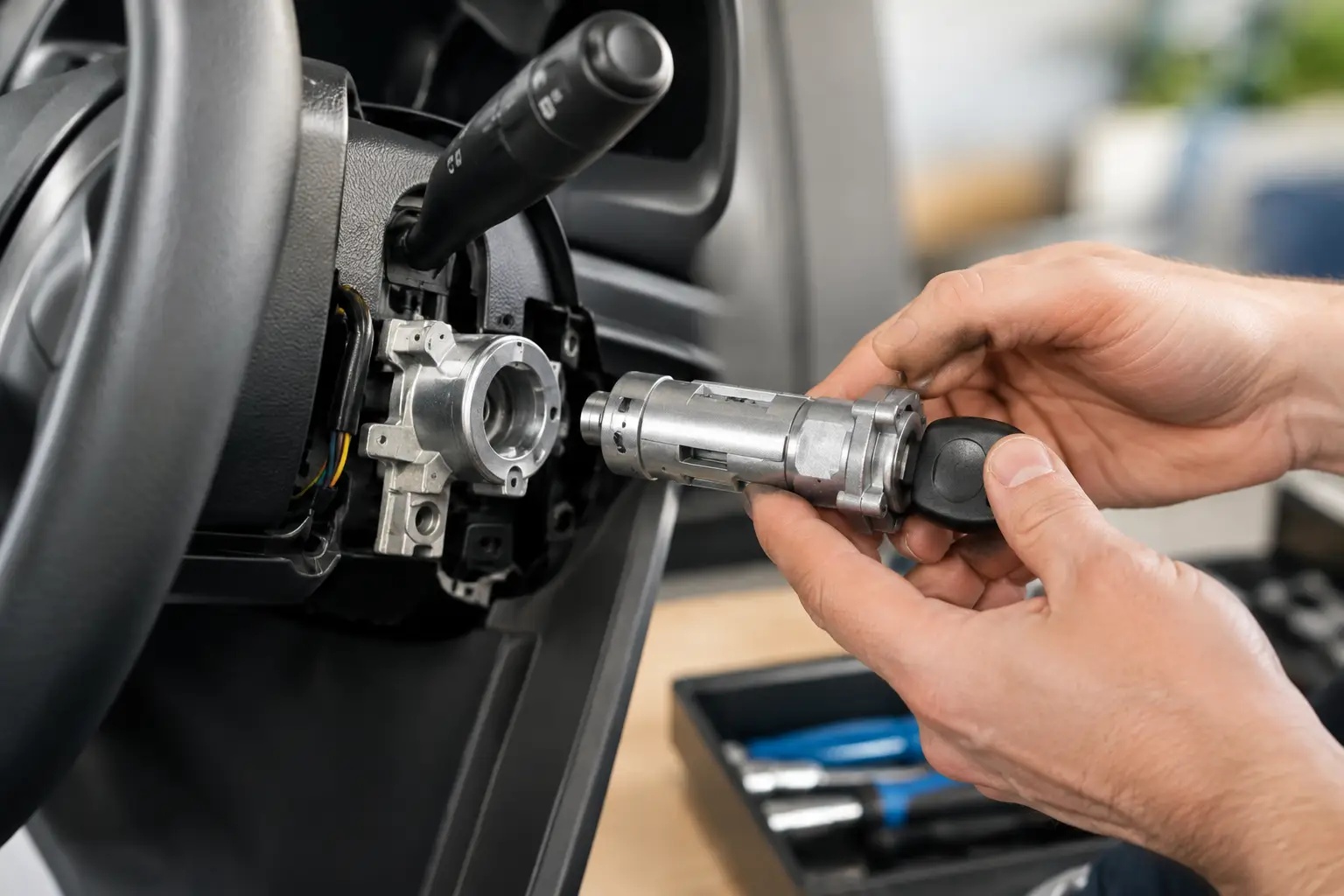
Once the hardware is assessed, the cylinders are removed, re-pinned, and tested with the new keys. If the office uses multiple doors, the locksmith may be able to key them alike so one key works across selected locks, or preserve a master key structure if one already exists.
The final step should always include testing and key accountability. Every rekeyed door should open and lock smoothly, and management should know exactly how many keys were created and who they were issued to. In a commercial setting, that part is not optional. It is part of the security work.
Common mistakes that leave offices exposed
One mistake is delaying rekeying after a staff change because no incident has happened yet. That gap creates unnecessary exposure. If a key is unreturned or missing, the safest assumption is that access is no longer controlled.
Another mistake is mixing DIY fixes with commercial hardware. Store-bought replacement cylinders, poorly matched lock parts, or improvised repairs often create more downtime and more cost later. Office doors take heavy use, and the hardware needs to operate reliably every day.
A third issue is treating every door the same. Front entry doors, interior offices, storage rooms, and sensitive areas rarely have identical access needs. Rekeying should support how the business actually operates, not just force one key pattern everywhere because it seems simpler.
Why local response matters
Commercial lock problems rarely happen at a convenient time. A business may need urgent rekeying after an employee termination, break-in concern, lost key incident, or tenant transition. In those moments, waiting days for an appointment is not ideal.
A mobile locksmith that serves local businesses can come to the office, assess the doors on-site, and complete the work without requiring you to remove hardware or transport locks anywhere. That matters in active offices, retail spaces, medical suites, and shared commercial buildings where security cannot be left unresolved.
For Bay Area businesses, quick and professional field service is often the difference between a contained security update and a long, disruptive issue that affects staff, tenants, or customers. That is one reason many commercial clients work with an experienced mobile provider like YES Locksmith when access control needs to be restored quickly.
How to know it is time to schedule office lock rekeying
If your business has had turnover, a lost key, an office move, a tenant change, or uncertainty about who still has copies, the time is now. You do not need visible damage to have a real security problem. Uncontrolled keys are a security problem.
The right locksmith will help you decide whether rekeying is the smart fix, whether any hardware should be replaced, and how to keep access organized going forward. For offices, that kind of clear, damage-free, on-site service is not just convenient. It protects your business from avoidable risk.
If there is any doubt about who can still open your office, rekeying is one of the fastest ways to put that question to rest.