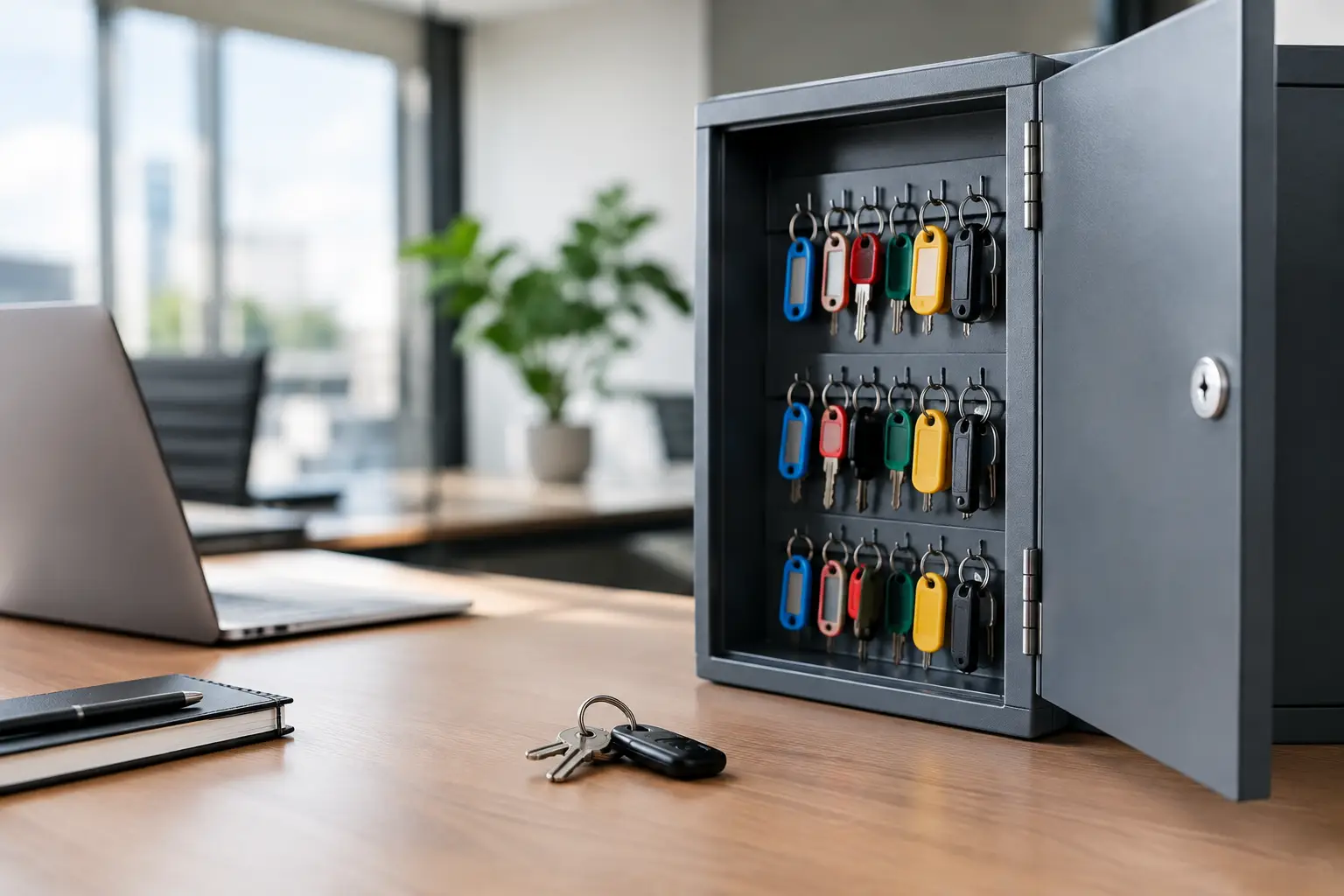

A missing business key is not a minor inconvenience when it can open a storefront, office, stockroom, tenant space, or equipment area. A clear commercial key control policy guide gives business owners and property managers a practical way to know who has access, why they have it, and what happens when that access changes.
For many Bay Area businesses, keys pass from manager to employee, contractor to supervisor, or tenant to property staff with little documentation. That works until a key is lost, an employee leaves suddenly, or a break-in forces everyone to ask the same question: who else may have a copy? A written policy closes that gap before it becomes a security problem.
What a Commercial Key Control Policy Should Do
Key control is the process of issuing, tracking, recovering, and protecting physical keys. The goal is not to make daily work difficult. It is to give people the access they need without giving permanent, untraceable access to everyone who has ever worked at the property.
Your policy should identify which doors and areas require controlled access, who can authorize a key, where key records are stored, and how lost or unreturned keys are handled. It should also make one person or role responsible for the system. Without clear ownership, records quickly become outdated.
The level of control depends on the property. A small office with five employees may need a simple key log and restricted duplication. A multi-tenant building, restaurant, medical office, warehouse, or retail location may need a master key hierarchy, separate access levels, and scheduled audits. The right policy is the one your team can consistently follow.
Start With a Complete Key Inventory
Before creating rules, find out what keys are already in circulation. This step is where many businesses uncover unknown copies, former employee keys, and doors that no longer match the records.
Walk the property and list every lock that matters. Include exterior doors, office doors, storage rooms, server or IT closets, file rooms, cash areas, gates, utility rooms, mailboxes, alarm panels, and shared building spaces where applicable. Give each key and lock a unique identifier that does not reveal its purpose to someone who finds it.
For example, avoid labels such as “Front Door” or “Cash Room.” A neutral code like K-14 or BR-07 is safer. Your inventory should show the key code, the door or lock it serves, the number of copies authorized, who currently holds each copy, and the date it was issued or returned.
Keep the master inventory in a secure location. A password-protected file with limited access can work for a smaller operation, while larger facilities may use dedicated key-tracking software. Do not leave a key log on a counter, in an unlocked desk, or in a shared folder that every employee can edit.
Separate Master Keys From Everyday Keys
Master keys deserve stricter handling because one lost key can affect multiple doors. Limit master, grand master, and building master keys to a very small number of trusted people. Record every issue and return, and do not allow employees to take these keys home unless their role genuinely requires after-hours access.
A master key system is useful when it is designed correctly. It lets managers, maintenance staff, or property teams access necessary spaces without carrying an oversized key ring. The trade-off is that a lost master key may require rekeying several locks, so the policy around it must be tighter than the policy for an individual office key.
Set Clear Rules for Issuing and Copying Keys
Every key should have an authorized holder. That person should sign or acknowledge receipt, confirm that the key remains company property, and agree not to lend it, duplicate it, or label it with the business name or address.
Managers should not hand out keys casually to cover a shift or solve a short-term scheduling problem. If temporary access is needed, issue a temporary key and set a return date. Contractors should receive only the access required for their job, not a master key simply because it is convenient.
Your policy should also state who can approve new keys. In most businesses, this authority belongs to the owner, facilities manager, property manager, or a designated security lead. Employees should never make unauthorized copies at a hardware store or kiosk. Restricted keyways can add another layer of control because duplicates require authorization through a locksmith, but they still need proper recordkeeping.
For higher-risk areas, consider whether a physical key remains the best choice. Electronic access systems can create time-limited access and show entry records, but they also require maintenance, power planning, and proper user administration. Many businesses use a combination: mechanical locks for dependable core access and electronic credentials for areas with frequent staff changes.
Make Key Return Part of Every Exit Process
The most effective time to recover keys is before an employee, tenant, vendor, or contractor leaves the role. Include key return in offboarding checklists, lease turnover procedures, and project closeout paperwork.
Do not rely on a verbal promise that a key will be dropped off later. Confirm the return in your log and inspect the key ring against the issue record. If a key is not returned, act based on the access level it provided. A missing key to an individual interior office may call for rekeying that lock. A missing master key, exterior key, or key marked with identifying information may require immediate action across a larger area.
This is also where timing matters. If an employee was terminated, access should be removed before or at the time of separation. Waiting until the next business day leaves an unnecessary opening, especially if the person had after-hours access.
Create a Lost or Stolen Key Response Plan
A good policy removes guesswork when a key goes missing. Employees should report a lost, stolen, or unreturned key immediately, not after they have spent days looking for it. The report should include the key identifier, the last known location, whether any label or identifying information was attached, and whether the holder’s personal information may have been exposed.
Then, the authorized decision-maker should assess the risk. Ask what the key opens, whether it can be connected to the business, whether a former employee or unknown person could possess it, and whether there are other security concerns. In some cases, monitoring and replacing the key is enough. In others, rekeying or replacing the lock is the responsible choice.
Do not punish employees for promptly reporting a mistake. A policy that makes people afraid to report lost keys creates a larger security risk. Hold people accountable for misuse or unauthorized duplication, but make immediate reporting the expected response.
Audit Your Key System Regularly
Key records only protect the business if they match reality. Schedule regular audits at least once a year, and more often for properties with turnover, multiple shifts, contractors, or sensitive materials. Compare issued keys to the inventory, confirm who still needs access, and collect keys that no longer have a business purpose.
An audit is also a good time to inspect worn locks, loose hardware, damaged keys, and doors that do not latch correctly. Security is not only about who holds a key. A door that fails to close or a lock that is difficult to operate can create access problems even when your records are perfect.
If your business has recently moved, changed managers, experienced a break-in, lost master keys, or gone through significant employee turnover, do not wait for the next scheduled audit. Those events are strong reasons to review access and consider rekeying.
Put the Policy in Writing and Train the Team
A key control policy should be short enough that employees will read it and specific enough that managers can enforce it. Explain who approves keys, how keys are logged, the rules against sharing and copying, return requirements, lost-key reporting, and the consequences for ignoring the policy.
Review the policy during onboarding and whenever someone receives a key. Supervisors should follow the same rules as everyone else. When leadership keeps undocumented keys or makes exceptions without records, the entire system loses credibility.
If your locks, master key system, or access needs have changed over time, have a qualified commercial locksmith review the setup before a problem forces a rushed decision. YES Locksmith can help Bay Area businesses rekey compromised locks, replace damaged hardware, and create a practical access plan that protects the property without slowing down the people who keep it running.
Before the next employee departure, contractor handoff, or misplaced key becomes an emergency, take one hour to identify who has access to your building. That simple check can prevent a much more expensive security decision later.