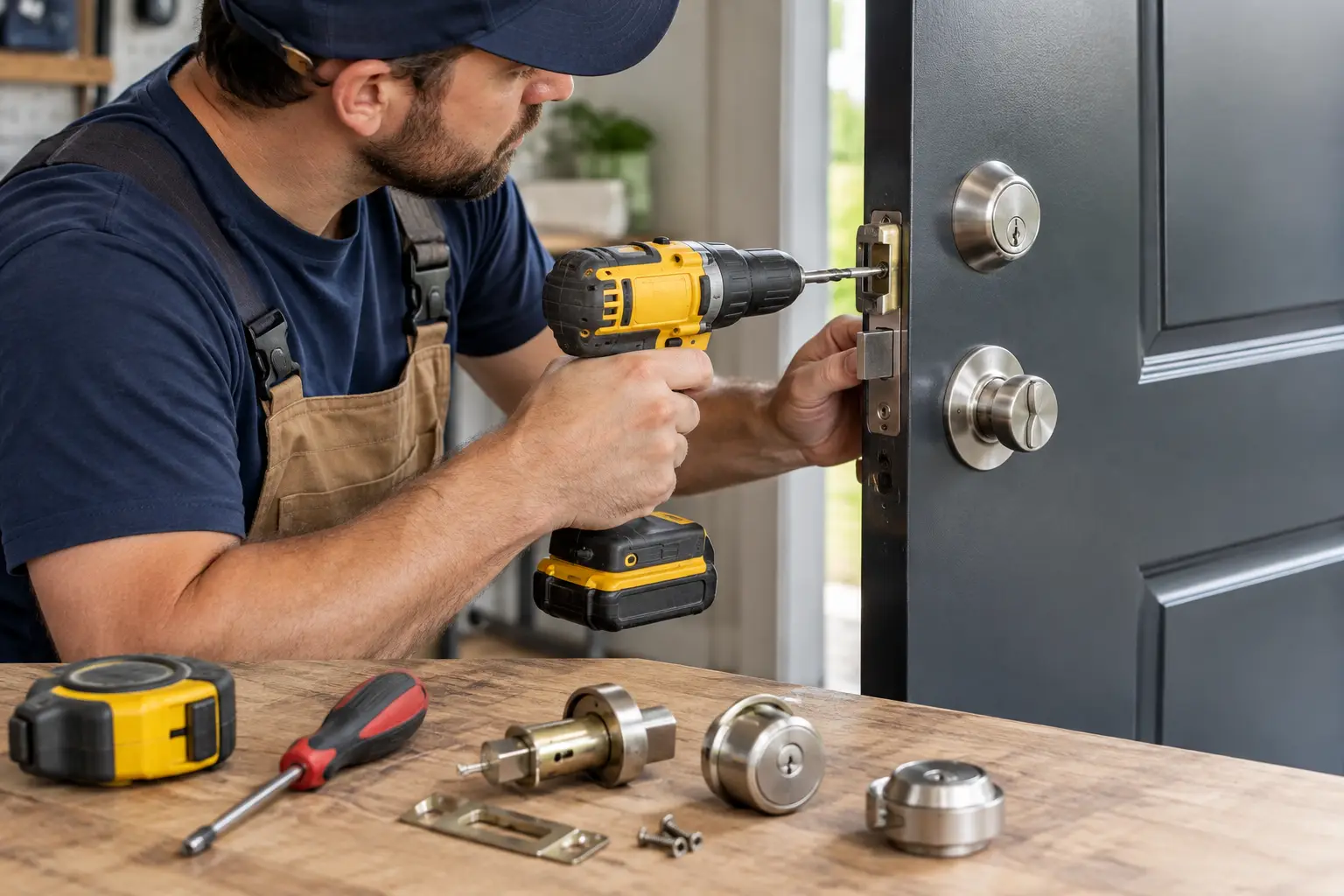
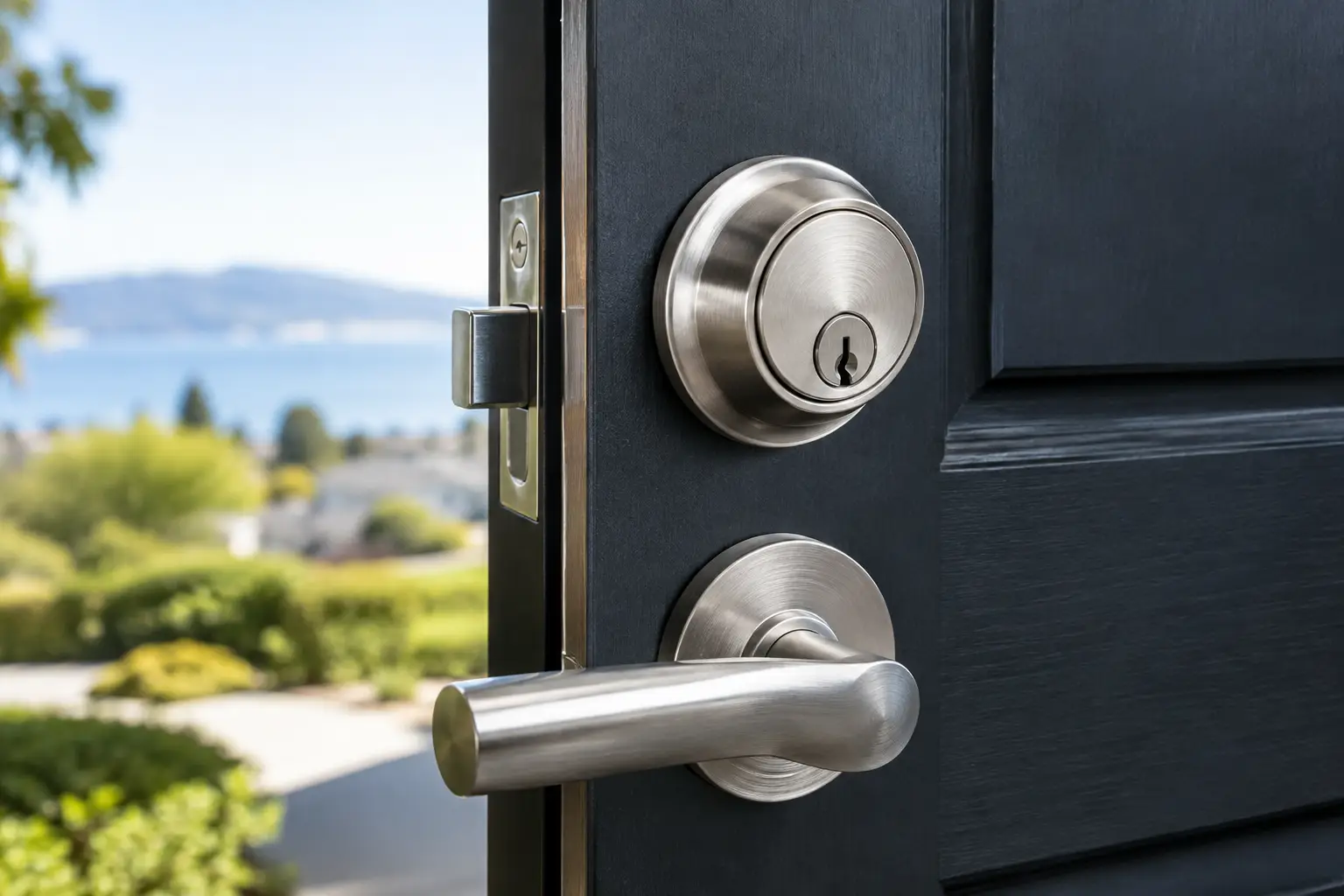
A deadbolt that will not turn can leave you standing outside your home, office, or rental property with no safe way in. Can a locksmith open a deadbolt? In most authorized lockout situations, yes. A qualified locksmith can assess the lock, choose the least damaging entry method available, and restore access without turning a stressful problem into an expensive door repair.
The right solution depends on the deadbolt, its condition, and why it is locked. A key left inside, a lost key, a broken key, a worn cylinder, or a high-security lock can each call for a different approach. What should stay the same is the priority: verify authorization, protect the property, and get the customer safely back inside.
Can a Locksmith Open a Deadbolt Without Drilling?
Often, yes. Many standard residential deadbolts can be opened by a trained locksmith without drilling or replacing the hardware. Professionals use specialized tools and established techniques to work with the lock mechanism rather than forcing the door, damaging the frame, or breaking the deadbolt.
That said, a responsible locksmith should never promise a non-destructive result before inspecting the lock. Some deadbolts are severely worn, internally damaged, improperly installed, or designed with high-security features that make a non-destructive entry method impractical. If the cylinder has failed or the bolt is bound under pressure, the lock may need repair or replacement after access is gained.
Drilling is not the default answer. It is generally a last resort when other appropriate methods will not work and the customer has approved the service. A professional technician explains the condition of the lock and the available options before moving forward whenever circumstances allow.
What Determines How a Deadbolt Can Be Opened?
The first factor is the type of deadbolt. A basic single-cylinder deadbolt, operated by a key outside and a thumbturn inside, presents different challenges than a double-cylinder model that requires a key on both sides. High-security, restricted-keyway, electronic, keypad, and smart deadbolts may also require a different service plan.
The condition of the hardware matters just as much. A deadbolt may be functional but locked, or it may be jammed because the door has shifted, the bolt is rubbing against the strike plate, or internal parts have worn down. In older Bay Area homes, seasonal movement, settling, and door alignment issues can place pressure on a bolt and make it feel like the key is the problem when the issue is actually in the door frame.
The reason for the lockout also changes the job. A customer who has simply misplaced a key may only need entry and a new key. A customer whose keys were stolen, whose tenant moved out, or whose employee failed to return a key needs more than access. That situation calls for a security decision about re-keying or replacing the deadbolt.
Finally, access authorization is essential. A legitimate locksmith will ask for proof that you live at, own, manage, or are otherwise authorized to enter the property. If your identification is inside, other reasonable forms of verification may be available, but a professional will not bypass that step. This protects homeowners, tenants, businesses, and neighbors.
Why Forcing the Door Is Usually the Wrong Move
When people are locked out, it is tempting to try a screwdriver, pry bar, credit card, or a hard shove against the door. A deadbolt is specifically designed to resist those attempts. Unlike a spring latch, a properly locked deadbolt does not retract from a simple push on the door edge.
Force can split a wood jamb, bend a metal frame, damage weatherstripping, crack the door around the hardware, or turn a lockout into an emergency repair. It can also make the locksmith’s job more difficult and increase the final cost because the lock and door now both need attention.
Trying to drill a deadbolt yourself is another risky choice. It can permanently damage the lock, expose you to sharp metal fragments, and leave the property unsecured if you cannot install a replacement immediately. For a home, storefront, or managed building, protecting the door and maintaining security after entry should matter as much as getting inside quickly.
What a Professional Deadbolt Service Visit Looks Like
A reliable mobile locksmith begins by confirming the address, the nature of the problem, and your authority to access the property. The technician then inspects the door, lock, keyway, strike plate, and visible hardware for signs of damage, misalignment, or attempted forced entry.
From there, the locksmith determines the safest practical method. The goal is to preserve the existing lock when it is working properly and when that makes security sense. If the lock is damaged or the keys are no longer trustworthy, the technician can discuss re-keying, repairing, or replacing the hardware on-site.
After entry, do not rush through the final check. Test the deadbolt with the door open and closed. A lock that works only when the door is open may have an alignment problem that will cause another lockout later. The bolt should extend fully into the strike plate without excessive force, and the key should turn smoothly.
For emergency calls in Daly City, San Francisco, and nearby communities, YES Locksmith brings the service to the property. That matters when you are stuck outside, managing a tenant issue, or dealing with a business access problem after hours. A mobile technician can address the immediate lockout and help you decide whether the existing hardware still provides the protection you need.
Re-Keying vs. Replacing the Deadbolt After Entry
Re-keying changes the internal configuration of a compatible lock so old keys no longer work. It is often the practical choice when the deadbolt is in good condition but keys have been lost, stolen, copied without permission, or not returned by a former tenant, roommate, employee, or contractor.
Replacement makes more sense when the lock is damaged, unreliable, outdated, or not suited to the level of security required. A landlord preparing a unit for a new resident may choose to replace worn hardware. A business owner may need commercial-grade locks, restricted key control, or a coordinated system for multiple doors. A homeowner may simply want a deadbolt that works more smoothly and provides better resistance to tampering.
There is a trade-off. Re-keying is usually less disruptive when the hardware is sound, while replacement gives you the opportunity to correct poor installation, upgrade security, and standardize keys. A locksmith can inspect the deadbolt and give a recommendation based on the actual condition of the door and lock, not a one-size-fits-all answer.
When a Deadbolt Problem May Signal Something Bigger
A difficult deadbolt is not always just a key issue. Watch for a key that sticks repeatedly, a thumbturn that is hard to move, a bolt that will not extend fully, loose lock hardware, or a strike plate that shows fresh scraping. These symptoms can indicate worn components, a shifting door, loose screws, or a frame alignment issue.
If there are signs of attempted entry, do not assume replacing only the cylinder solves the problem. Check the door edge, frame, strike plate, hinges, and surrounding trim. A damaged frame can weaken even a new deadbolt. For rental properties and commercial spaces, documenting the condition before repairs can also help with maintenance records and insurance questions.
A lockout is frustrating, but it does not have to end with a damaged door or questionable security. If you cannot safely enter an authorized property, keep the area secure, avoid forcing the hardware, and call a qualified locksmith who can assess the deadbolt, protect the door, and leave you with a lock you can rely on.