
A lock that looks solid can still leave an apartment vulnerable if the door frame is weak, the strike plate is short, or the lock was installed without your landlord’s approval. The best locks for apartment doors balance real security with the practical limits of renting: what your lease allows, what your door can support, and how easily you can restore the hardware when you move out.
For most renters, the right answer is not simply buying the most expensive lock on the shelf. It is choosing a proven lock type, matching it to the door, and having it installed correctly. A quality lock can only do its job when the bolt, strike plate, screws, door, and frame all work together.
Start With Your Lease and Door Type
Before changing any apartment lock, review your lease and ask the property manager for written approval. Many buildings require management to keep an emergency-access key, use a specific keyway, or approve the hardware before installation. Replacing a lock without permission may create a lease issue, even if your goal is better security.
Next, look at the door itself. A solid-core wood or metal entry door gives a lock something substantial to protect. A hollow-core interior-style door, a loose frame, warped hinges, or a thin strike plate needs attention before a premium lock will make much difference. Older Bay Area apartments often have doors and frames that have shifted over time, so bolt alignment deserves a close check.
Measure the door thickness and backset, which is the distance from the edge of the door to the center of the lock hole. Most residential locks fit common sizes, but guessing can lead to a lock that does not sit correctly or a deadbolt that does not fully engage.
The Best Locks for Apartment Doors by Situation
1. Grade 1 or Grade 2 single-cylinder deadbolt
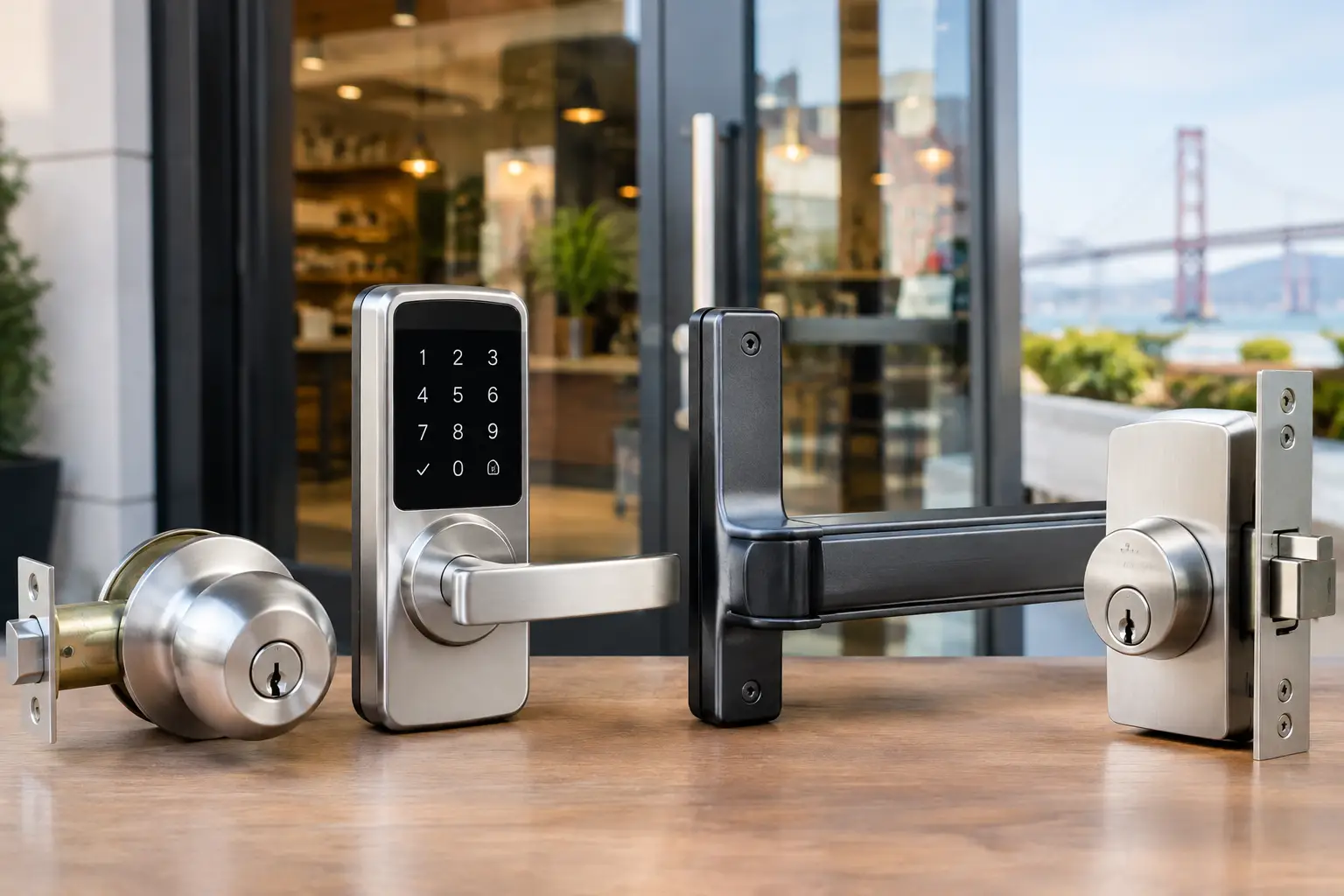
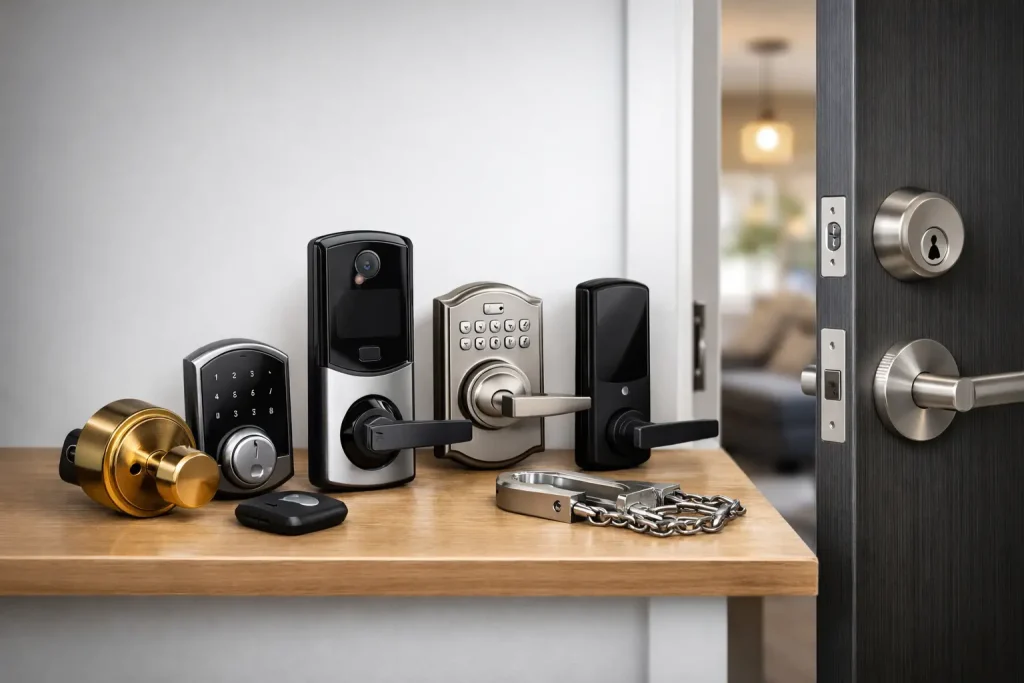
For a standard apartment entry door, a single-cylinder deadbolt is often the strongest all-around choice. It uses a key on the outside and a thumb turn on the inside. When installed into a sound frame with a reinforced strike plate, it provides much better resistance to forced entry than a basic locking doorknob alone.
Look for an ANSI Grade 1 or Grade 2 rating. Grade 1 is the highest residential security rating and is an excellent fit for a main entry door. Grade 2 is also a dependable choice for many apartments when budget and door condition are factors. Avoid treating a Grade 3 lock as a major security upgrade. It may be appropriate for a low-risk interior door, but it is not the first choice for the front door of a rental home.
A single-cylinder model is generally safer than a double-cylinder deadbolt on doors with nearby glass because it allows a fast exit without a key. Local fire and building requirements may also limit double-cylinder locks. Do not install one simply because it appears harder to bypass.
2. Deadbolt with a reinforced strike plate
A deadbolt is only as strong as the part mounted to the frame. The strike plate is where the bolt lands when the door is locked. Many apartment doors have a small stamped-metal strike plate held by short screws. That setup can fail under force even when the deadbolt itself is high quality.
A reinforced strike plate with long screws driven into the wall stud is one of the most meaningful security improvements available. It helps spread force across the frame rather than concentrating it at the latch opening. This upgrade may require landlord permission because it changes the frame, but it is worth discussing with management if the existing hardware feels loose or inadequate.
3. A smart deadbolt for controlled access
A smart deadbolt can be a practical apartment lock for renters who want keyless entry, temporary codes for guests, or a way to confirm that the door is locked after leaving. It can also help property managers and busy households reduce the risk of copied or misplaced keys.
The trade-off is maintenance. Smart locks need battery checks, proper installation, and a reliable mechanical key backup or emergency power option. Choose a model that locks securely even when batteries run low, and do not rely on an app as your only plan for getting inside. Apartment building walls, distance from the door, and connectivity can affect wireless features.
For tenants, a smart deadbolt is best when the lease clearly permits it and the original hardware can be reinstalled at move-out. If the building uses a restricted key system or a master-key arrangement, confirm compatibility before making a purchase.
4. A retrofit smart lock for fewer door changes
A retrofit smart lock replaces or covers only the interior thumb-turn portion of an existing deadbolt. The exterior cylinder and keys remain in place. This can be a good choice when a landlord will not allow visible exterior hardware changes or when the building needs to retain its original key system.
Retrofit locks are convenient, but they do not improve the strength of the existing deadbolt. If the current lock is worn, low grade, poorly aligned, or paired with a weak strike plate, adding smart features does not solve the security problem. Have the existing hardware evaluated first.
5. A high-security cylinder for key-control concerns
If you are worried about unauthorized key copies, a high-security cylinder may be the better upgrade. These cylinders use more restricted keyways and may require authorization for duplication. They are especially useful after a tenant turnover, a lost key, a difficult roommate situation, or an uncertain history of who has access to the unit.
This option depends heavily on the building’s lock system. In a managed apartment complex, changing the cylinder may interfere with master-key access. In a private rental where the owner approves the work, rekeying or upgrading the cylinder can provide a cleaner solution than replacing every piece of door hardware.
6. A keyed entry lever with a deadbolt above it
A locking lever or knob should not be your only line of defense on an apartment entry door. Its spring latch can be less resistant to force than a deadbolt. However, a quality keyed lever paired with a separate deadbolt is a practical, familiar setup for many rentals.
This combination works well when the lever handles everyday entry and the deadbolt provides the primary security. It also gives renters a clear habit to follow: close the door fully, then throw the deadbolt every time. A door that is merely pulled shut is not fully secured.
Features That Matter More Than Marketing
When comparing apartment door locks, focus on construction and installation details rather than decorative finish or a long feature list. A one-inch deadbolt throw, an ANSI Grade 1 or 2 rating, a solid strike plate, and correct bolt alignment matter. So does a cylinder that turns smoothly without sticking or requiring excessive force.
Be cautious with locks advertised as pick-proof, unbreakable, or guaranteed to stop every intrusion. No residential lock is invincible. Security comes from layered protection: a good deadbolt, reinforced frame hardware, secure hinges, working lighting, and sensible key control.
If the door swings outward, inspect the hinges. Exposed hinge pins can create a vulnerability unless the hinges use non-removable pins or security studs. If there is a large gap around the door, a locksmith can assess whether alignment, weather stripping, or strike adjustment is needed. A bolt that only catches the edge of the strike is not providing its full protection.
When Rekeying Is Better Than Replacing
Replacing a lock is not always necessary. If the existing deadbolt is high quality and operates properly, rekeying can be the fastest way to stop old keys from working. This is often the right move after moving into a rental, losing a key, ending a roommate arrangement, or taking over management of a unit.
Rekeying changes the internal pins so a new key operates the lock. It is typically less disruptive than replacing the full lock and can preserve approved building hardware. The key question is whether the lock is still in good condition. If it is damaged, loose, outdated, or poorly installed, replacement may be the safer investment.
Get the Installation Right
A lock should turn freely, latch fully, and secure without pushing, lifting, or pulling the door into position. If you have to force the thumb turn, the bolt may be binding against the strike. That can wear out the lock, make a lockout more likely, and reduce its ability to resist force.
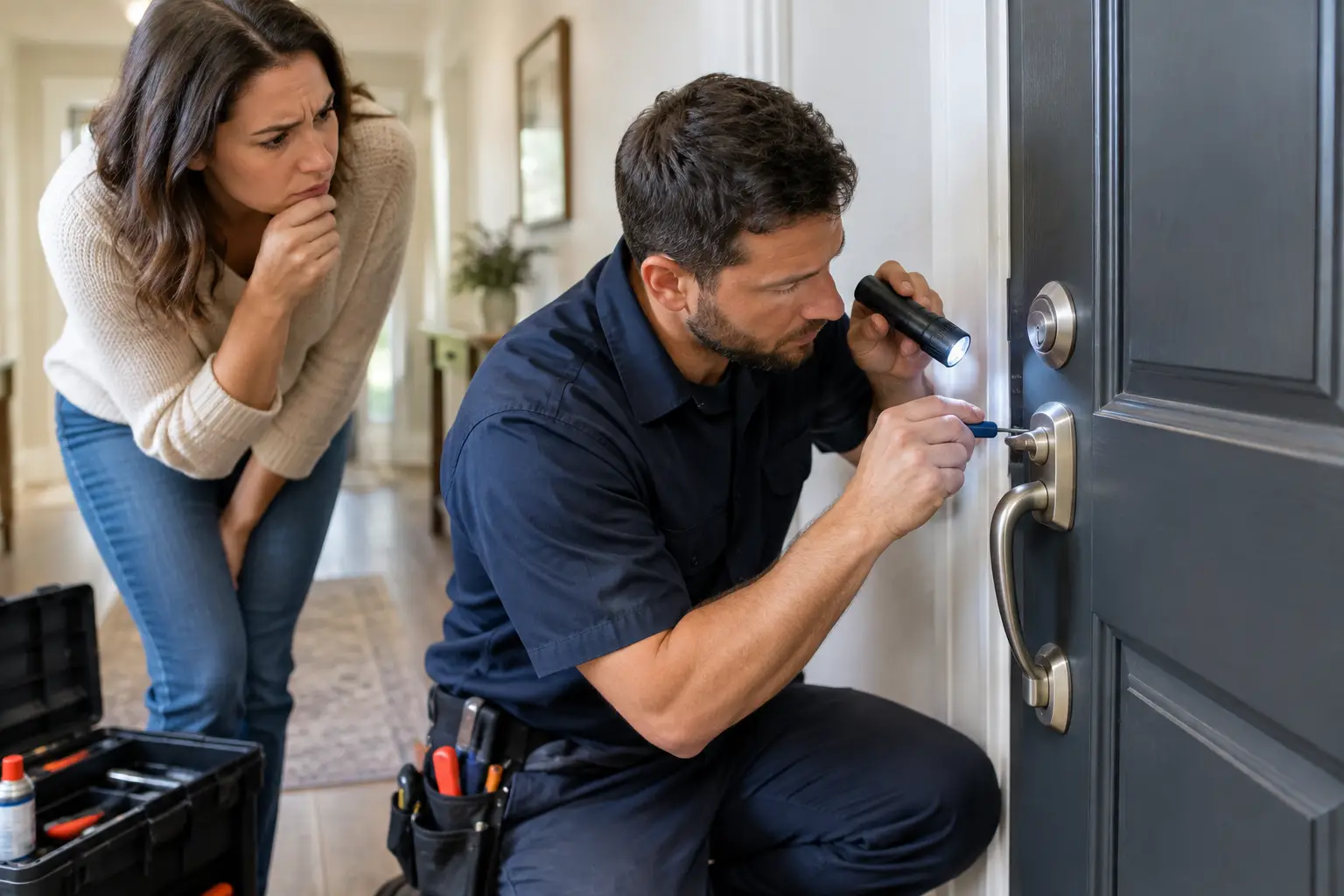
Professional installation also helps prevent damaged trim, misdrilled holes, and hardware that conflicts with the door frame or building key system. For renters and property managers in Daly City, San Francisco, and nearby communities, YES Locksmith can inspect the existing setup, rekey approved locks, and install compatible hardware on-site without unnecessary damage.
The strongest choice is the lock that fits your door, follows your lease, and is installed to engage fully every time. If your current deadbolt is loose, your key has gone missing, or the door does not close cleanly, address it before a small hardware problem becomes a security emergency.