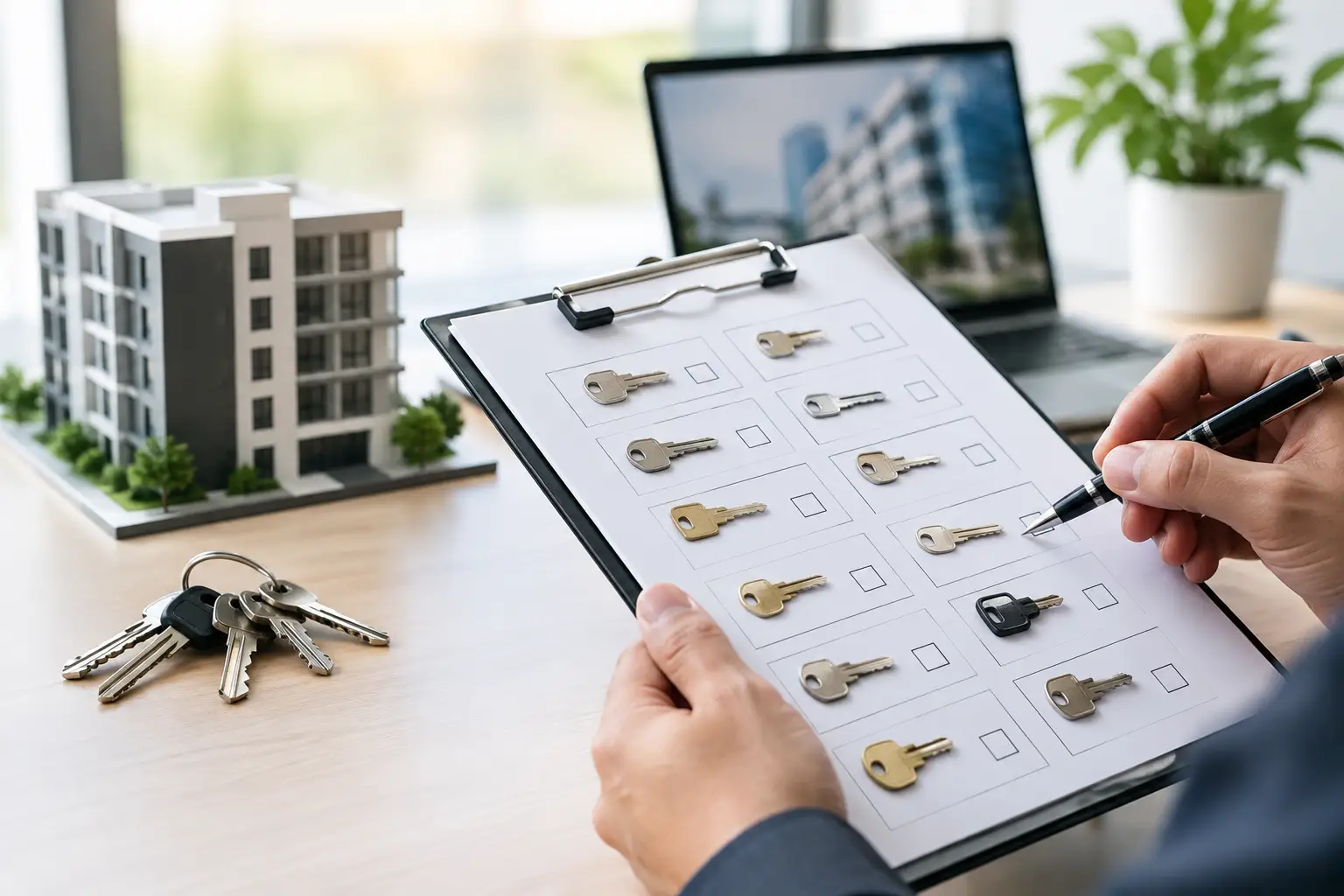

A lost key can be copied. A former employee’s access card can be forgotten in a wallet. A tenant can share a door code with someone who should not have it. When comparing keypad locks versus cards, the right choice comes down to how your property is used, who needs access, and how quickly you need to change that access when circumstances change.
For a Daly City home, a San Francisco storefront, or a multi-unit rental, electronic access can reduce the daily headaches of physical keys. But keypad locks and card systems solve different problems. Choosing based on price alone can leave gaps in convenience, accountability, or security.
Keypad Locks Versus Cards: The Main Difference
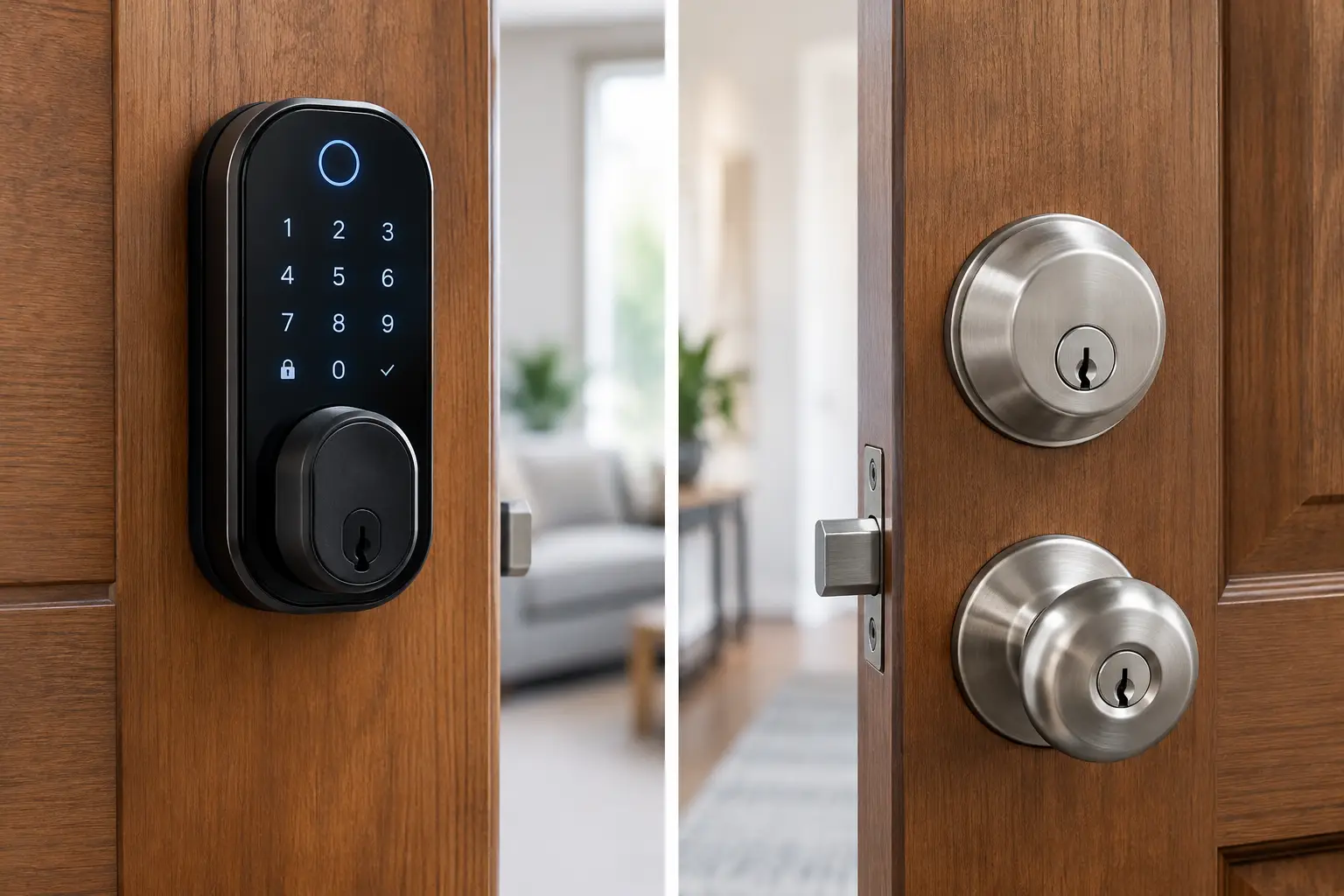
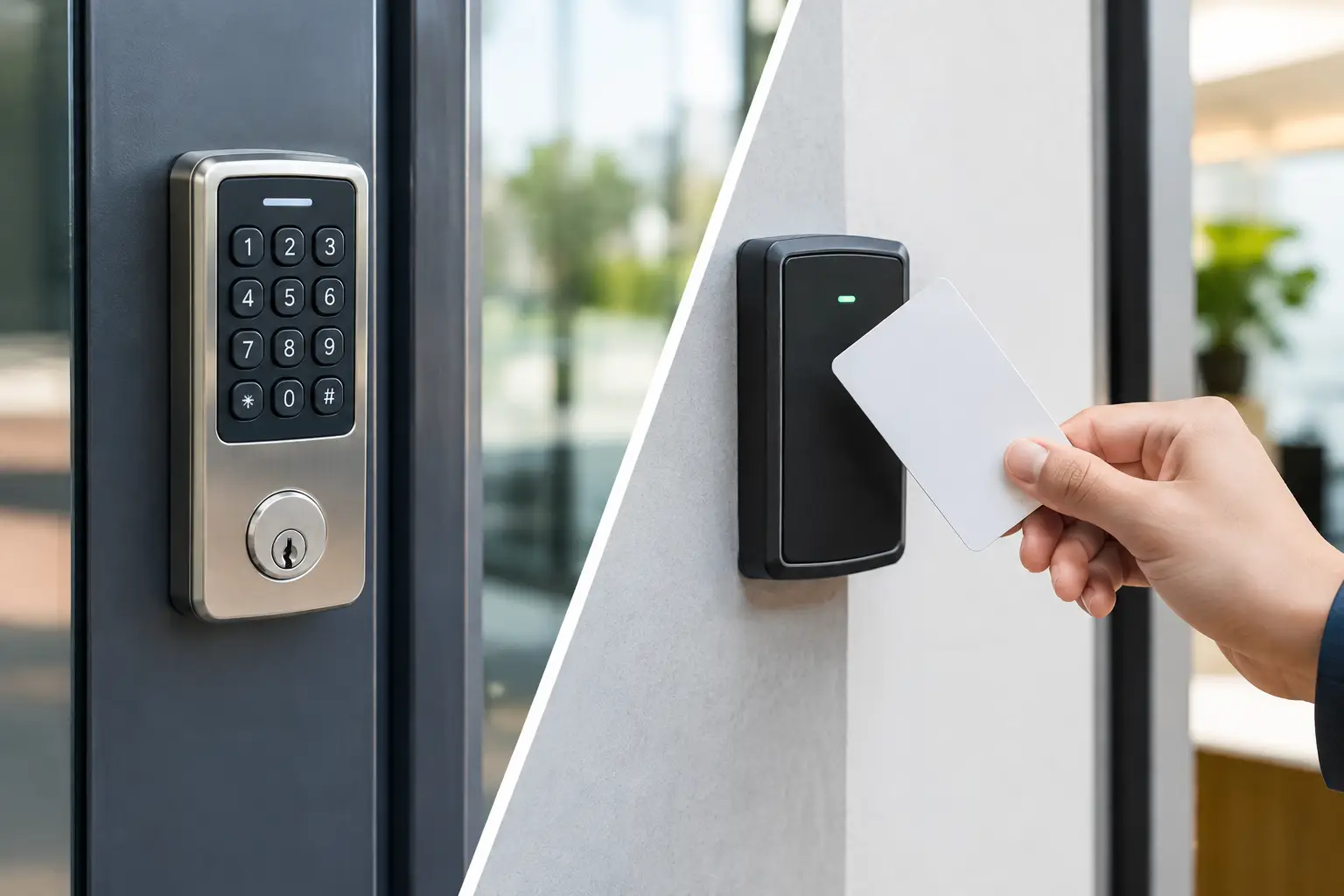
A keypad lock opens when someone enters a programmed PIN code. Depending on the model, it may be a standalone deadbolt, a lever lock, or part of a larger smart access system. There is no physical credential to carry, although many keypad locks include a mechanical key override for emergencies.
Card access systems require a credential such as a key card, fob, or proximity tag. The user presents that credential to a reader. Many commercial systems record entry events, allow scheduled access, and let managers disable a lost card without changing the lock hardware.
The practical difference is simple: keypad locks rely on something a person knows, while card systems rely on something a person has. Both can be secure when installed correctly and managed properly. Both can also create problems when codes, cards, batteries, door hardware, or user permissions are neglected.
When a Keypad Lock Is the Better Choice
Keypad locks are often an excellent fit for residences, short-term rentals, small offices, supply closets, and gates. They remove the need to issue and collect keys every time access changes. If a contractor needs entry from 9 a.m. to 3 p.m., or a housekeeper needs access on certain days, many models allow temporary or scheduled codes.
For homeowners, the convenience is immediate. You do not need to hand a teenager a house key, hide a spare under a planter, or worry about a key being lost at school or work. A unique code can be assigned to each regular user, and the code can be changed after a move, breakup, renovation, or service visit.
Keypads are also useful where people may arrive with full hands. A driver coming through a side gate, a parent carrying groceries, or an employee opening a small business can enter a code without searching for keys or a badge.
Still, a keypad is not automatically the best option simply because it is keyless. Shared codes reduce accountability. If five employees use the same PIN, you may know that the door was opened but not who opened it. Codes can be passed along, observed over someone’s shoulder, or left written on a note near the entrance. A keypad works best when codes are unique, regularly reviewed, and removed as soon as access is no longer needed.
Keypad lock concerns to plan for
Battery-powered keypad locks need fresh batteries. Most provide low-battery warnings, but ignoring those alerts can lead to a stressful lockout. Exterior doors should also have the right lock type for their purpose. A basic keypad lever may be suitable for an interior office, while a front entry door needs properly installed, durable deadbolt protection.
Weather matters around the Bay Area as well. Outdoor locks must be rated for exposure and installed so moisture, misalignment, and a swollen or shifting door do not interfere with operation. A good lock cannot compensate for a door that does not latch correctly.
When Card Access Makes More Sense
Card or fob access is usually the stronger choice for businesses with multiple employees, changing shifts, restricted rooms, or several entry points. It gives managers better control without requiring them to rekey doors whenever an employee leaves or loses a credential.
A restaurant can issue separate fobs to managers, kitchen staff, and delivery personnel. An office can restrict server rooms, storage areas, or private records to approved team members. A property manager can use cards for common areas, maintenance spaces, and staff-only doors. When a credential is lost, it can be deactivated and replaced instead of treating every lost card as a reason to replace a lock.
Many card systems also provide an audit trail. This matters when you need to investigate a security concern, confirm that a cleaner arrived, or understand who accessed an area after hours. The level of reporting varies widely by system, so property owners should confirm what information is recorded and how long it is retained before purchasing equipment.
Card access does have its own weak points. Cards and fobs can be misplaced, borrowed, stolen, or cloned if the system uses outdated credential technology. Employees may leave their badge at home, and a reader may not be practical at every door. Installation costs can also be higher than a standalone keypad, especially when wiring, controllers, multiple readers, door closers, and fire code requirements are involved.
Card systems need active management
A card system only improves security if someone manages it. Credentials must be issued carefully, removed promptly when staff leave, and reviewed periodically. A former employee with an active fob is not a theoretical risk. It is a preventable access problem.
For commercial doors, the hardware behind the reader matters just as much as the reader itself. An improperly installed electric strike, magnetic lock, panic device, or closer can affect security, daily operation, and emergency egress. This is not a job for guesswork or a quick hardware swap.
Security Depends on More Than the Credential
Neither PINs nor cards are magic security upgrades. The door, frame, hinges, strike plate, locking hardware, and installation quality determine whether your access system actually protects the property.
For example, installing a card reader on a weak aluminum storefront door without addressing the lock, latch, or frame may not solve the real vulnerability. Adding a keypad to a residential door with a loose deadbolt strike can create a false sense of security. The strongest access plan begins with a sound door and correctly matched hardware.
You should also think about what happens during a power outage or system failure. Standalone keypad locks usually rely on batteries, while larger card systems may need backup power and properly configured fail-safe or fail-secure operation. The correct setup depends on the door’s purpose and local life-safety requirements. Exit doors must always allow people to leave safely.
Choosing for Homes, Rentals, and Businesses
For most single-family homes, a quality keypad deadbolt is the practical answer. It offers convenience, lets you remove old codes quickly, and avoids the common problem of uncontrolled spare keys. Keep a mechanical backup plan, use different codes for different users when possible, and change codes after any major access change.
For rental properties, keypad locks can simplify turnovers and maintenance visits. They are especially useful when a manager cannot be on-site to exchange keys. However, a building with common entrances, multiple staff members, and recurring vendor access may benefit more from a managed card or fob system.
For a small business with a few trusted employees, keypad access may be enough if every worker receives an individual code and the owner maintains the user list. For larger offices, retail operations, warehouses, clinics, and facilities with sensitive areas, cards or fobs usually offer better control, easier offboarding, and clearer access records.
Some properties benefit from both. A business may use cards for employee entrances and a keypad code for a delivery gate or emergency maintenance access. A multi-unit property may use fobs for the main entry while individual units use keypad deadbolts. The best setup follows the way people actually move through the property, not a one-size-fits-all rule.
Get the Hardware and Installation Right
Before replacing locks or adding electronic access, assess the door condition, the number of users, the need for audit records, the frequency of staff turnover, and the consequences of a lockout. A residential upgrade can often be straightforward. Commercial access control requires closer attention to door function, emergency exit requirements, and long-term credential management.
YES Locksmith can evaluate existing hardware on-site and help property owners choose an access solution that fits the door, the users, and the security risk. Proper installation helps prevent damaged doors, unreliable latching, and expensive corrections later.
The better choice is the one you can manage consistently: unique codes that are changed when needed, or credentials that are issued, tracked, and deactivated without delay. That daily discipline is what turns electronic access into real protection.