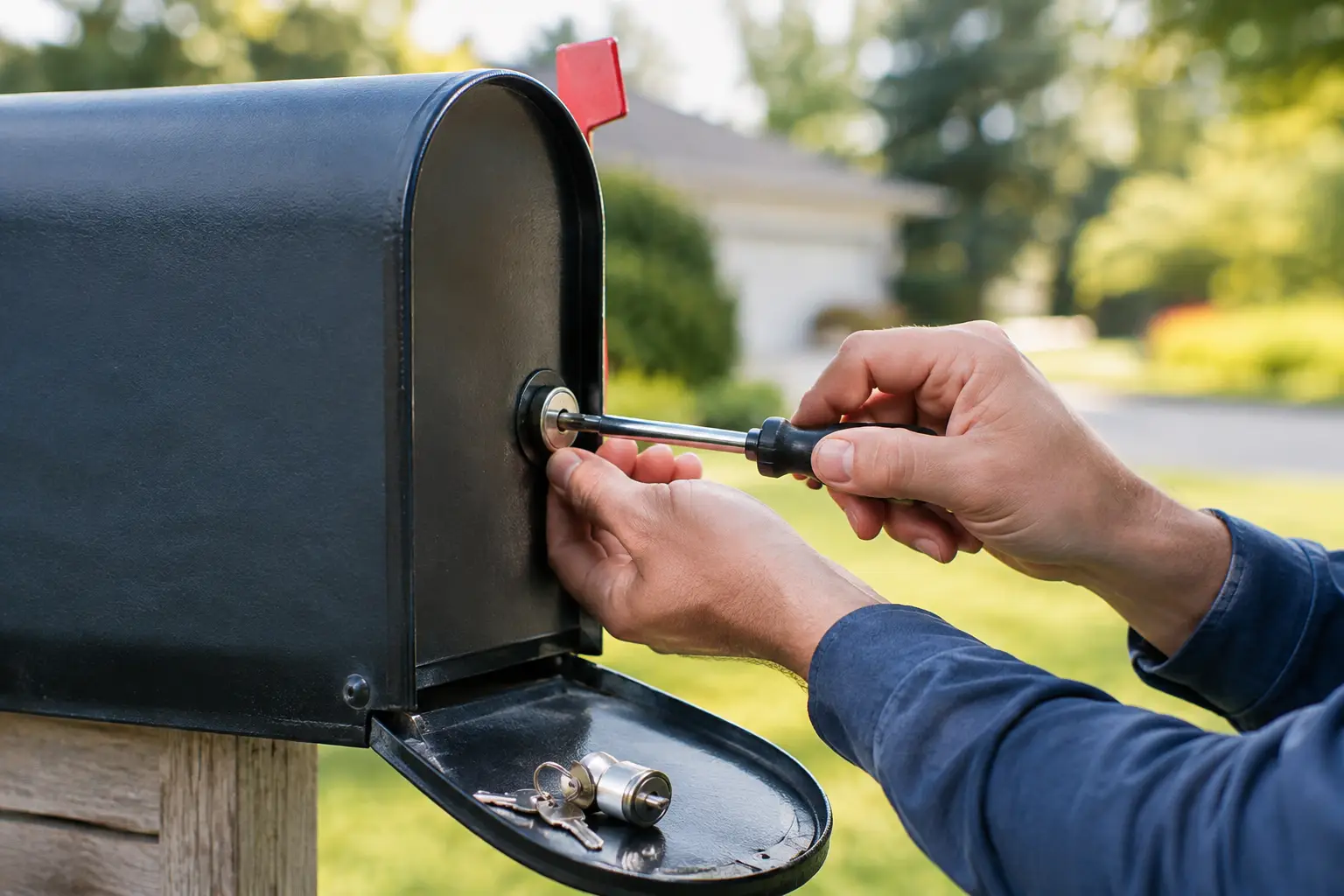

A doorknob that wiggles, turns without opening the latch, or pulls away from the door is more than an annoyance. It can leave a bedroom, office, storefront, or exterior door difficult to secure when you need it most. Learning how to fix loose doorknob hardware early may prevent a small adjustment from becoming a damaged latch, stripped screw, or failed lock.
Start with the door open whenever possible. This keeps you from getting locked inside or outside if the knob comes apart during the repair. If the door is an exterior entry, a commercial door, or part of a rental property, take a moment to check whether the loose hardware is affecting security before attempting a quick fix.
Identify What Is Actually Loose
A doorknob has several connected parts, and the repair depends on which one is moving. Hold each side of the knob or lever and test it gently. If the entire assembly shifts against the door, the mounting screws are likely loose. If only the knob spins or slides on its shaft, the issue may be a small set screw or a worn internal connection.
Turn the knob while watching the latch at the edge of the door. A properly working knob retracts the latch fully and springs back into place when released. If the knob turns but the latch barely moves, the problem may be inside the lockset rather than at the visible screws.
Also look at the strike plate on the door frame. A loose doorknob can sometimes be mistaken for a latch alignment issue. If the latch works with the door open but catches or will not stay closed when the door is shut, the strike plate, hinges, or door alignment may need attention instead.
How to Fix Loose Doorknob Screws
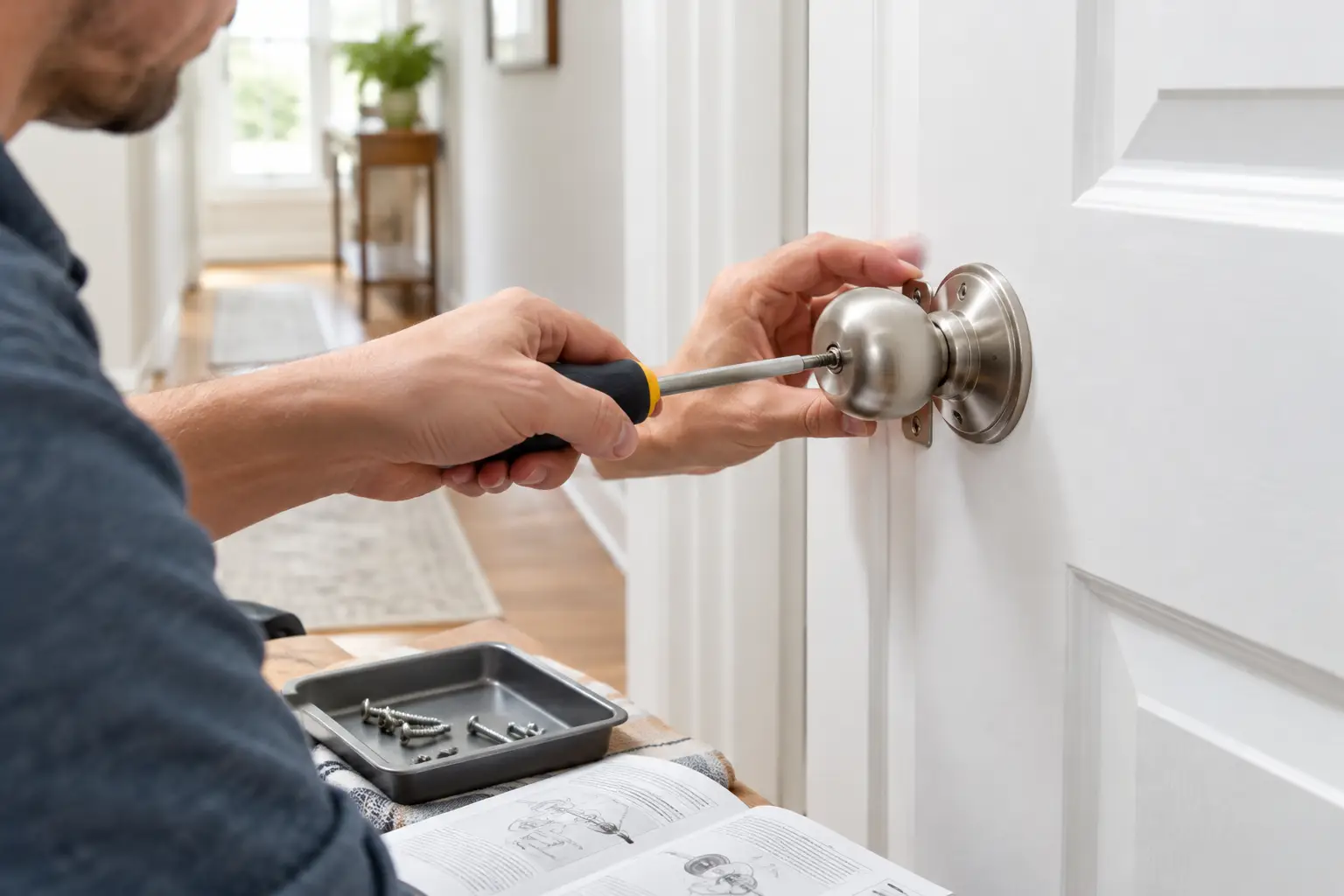
The most common repair is tightening the screws that hold both sides of the lockset together. On many standard residential knobs, these screws are visible on the interior side of the door. Use a screwdriver that fits the screw head properly, usually a Phillips-head screwdriver, and tighten each screw a little at a time.
Do not force the screws. Over-tightening can strip the threads, crack a decorative plate, bind the latch mechanism, or damage a hollow-core door. Tighten one screw, then the other, alternating until the knob sits firmly against the door and turns freely.
Test the latch after every adjustment. The knob should feel stable, the latch should retract fully, and the door should close without needing to lift, push, or pull it into position. If tightening the visible screws solves the problem, check the hardware again after a few days of regular use. Screws that repeatedly loosen may indicate worn mounting holes or a failing lockset.
When the Screws Are Hidden
Many newer knobs and lever handles use a decorative cover, called a rose or trim plate, that hides the mounting screws. Do not pry aggressively at the trim. A screwdriver slipped under the wrong edge can gouge the door finish or bend the plate.
Look underneath the knob or lever for a narrow slot or small release hole. Insert a straightened paper clip, small pin, or the manufacturer’s release tool into the hole while gently pulling the knob away from the door. Once the handle comes off, the trim plate may slide off or release from a small notch, exposing the mounting screws beneath.
Keep the parts in order as you remove them. Photographing the hardware before disassembly can save time when it is time to reassemble it. Tighten the mounting screws, reinstall the trim, and return the knob or lever to the spindle until it clicks securely into place.
Tighten a Loose Set Screw
Some knobs, especially older styles and certain lever handles, are held to a square or round spindle with a tiny set screw. This screw is often located on the neck of the knob near the door surface. It may require a small Allen wrench rather than a screwdriver.
Turn the set screw clockwise in small increments while keeping the knob properly aligned. If the screw is missing, do not replace it with a random screw that appears to fit. An incorrect screw can damage the spindle threads or prevent the knob from seating correctly. Bring the old hardware or the exact measurements to a qualified hardware supplier, or have a locksmith identify the correct replacement.
If the set screw will not tighten because it spins freely, the threads may be stripped. Thread-locking compound is not always a reliable answer for a frequently used knob, particularly on an entry door. Replacing the worn component or the full lockset is often the safer repair.
Check the Latch and Spindle Before Reassembling
With the knob removed, inspect the latch mechanism in the door edge. The latch bolt should move smoothly when you turn the spindle or insert a screwdriver into the latch opening. It should also spring back out completely when released.
A latch that sticks, feels gritty, or fails to extend may be worn, dirty, bent, or incorrectly installed. Avoid spraying heavy oil into the lock. Oil can collect dust and create a thicker residue over time. If lubrication is appropriate for the hardware, use a lock-safe dry lubricant sparingly and follow the product instructions.
Check that the latch is facing the correct direction. The beveled side should generally face the strike plate, allowing the door to close smoothly. A reversed latch may cause the door to resist closing and place extra stress on the knob, screws, and frame.
When a Loose Doorknob Is a Security Problem
Not every loose knob requires emergency service, but some situations should not wait. Treat the issue seriously if the hardware is on an exterior door and the latch does not catch consistently, the deadbolt cannot engage, the knob can be pulled from the door, or the lock has been forced, kicked, or tampered with.
Commercial doors deserve extra caution. A loose lever, panic hardware, or access-controlled lock can create a security gap and may interfere with safe exit requirements. Property managers should also address loose knobs promptly between tenants or after employee access changes, especially when a lock has unknown wear or a history of key control issues.
If you are locked out, the knob has come apart while the door is closed, or the lock is damaged after a break-in attempt, do not force the door open. Forcing it can split the jamb, damage the door edge, and turn a lock repair into a much larger replacement job.
Know When Repair Is No Longer the Right Option
Tightening screws is worthwhile when the lockset is otherwise sound. Replacement is usually the better choice when the knob remains loose after tightening, internal parts rattle, the latch does not retract reliably, the finish is badly corroded, or the mechanism is old enough that replacement parts are difficult to find.
For an exterior door, choose hardware designed for the door’s function. A passage knob belongs on an interior closet or hallway door, not as the only locking hardware on an entry. A properly installed deadbolt or appropriate commercial-grade lock provides more dependable protection where security matters.
A licensed, bonded, and insured mobile locksmith can diagnose whether the issue is a simple adjustment, an alignment problem, or a lockset that has reached the end of its service life. YES Locksmith can repair or replace damaged door hardware on-site in Daly City, San Francisco, and nearby Bay Area communities while protecting the door and existing finish.
A loose doorknob rarely fixes itself. Secure it while the door still opens, closes, and locks normally, and you can avoid the stress of a failed lock at the worst possible time.