
A rental can look vacant for only a few days and still become a target. A former tenant may still have a copied key. A contractor may have been given temporary access. A loose sliding-door latch or damaged deadbolt can turn a simple turnover into an expensive break-in. Knowing how to secure rental property means controlling who can enter, finding weak points before someone else does, and acting quickly when a lock or key is in question.
For landlords and property managers in San Francisco, Daly City, and nearby Bay Area communities, security should be part of every move-out checklist. It protects the property, gives the next tenant confidence, and helps avoid the stress of responding to a preventable emergency.
How to Secure Rental Property at Every Turnover
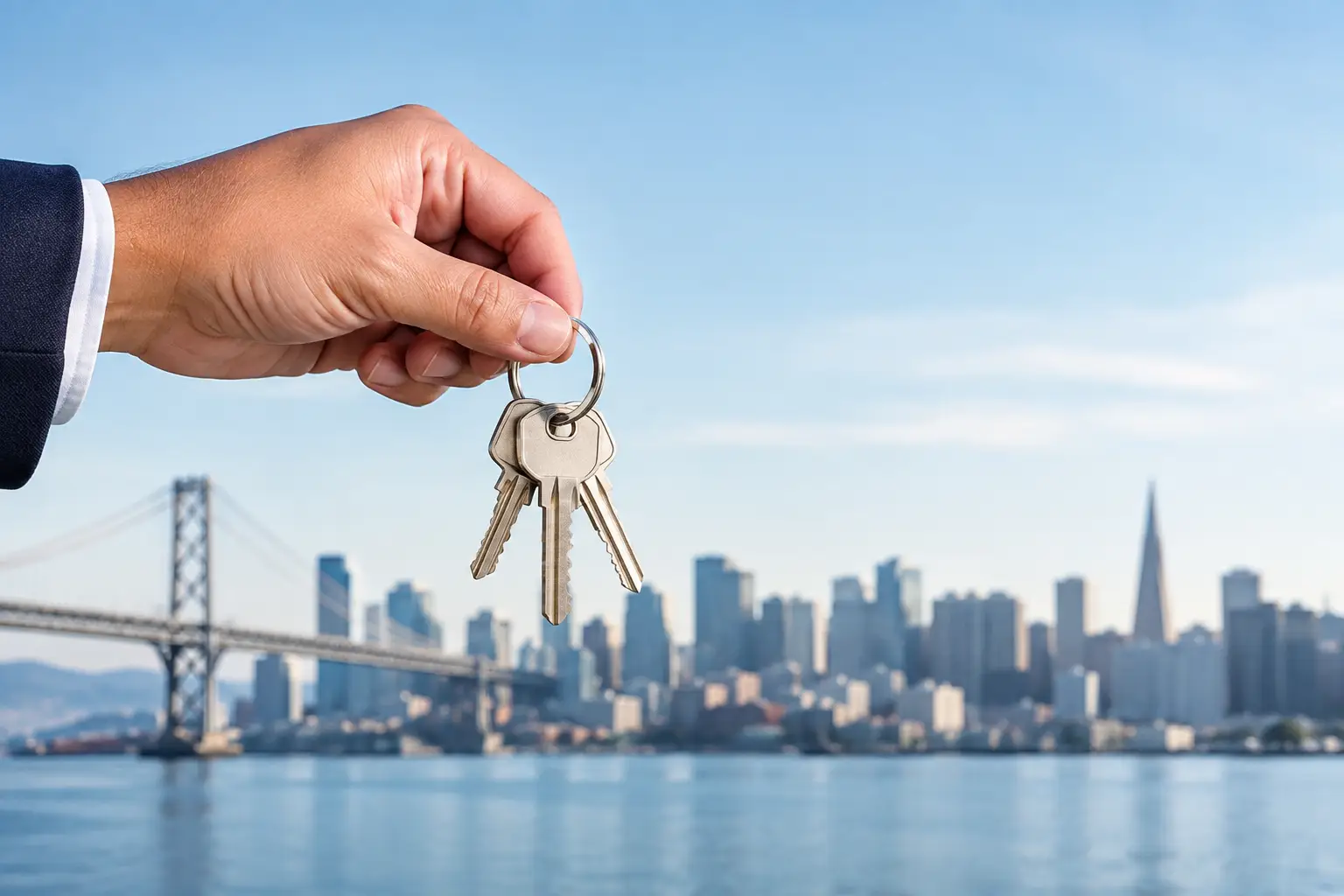
The most important security work happens after one tenant leaves and before the next tenant receives keys. Do not assume that collecting the keys solves the access problem. Tenants can make copies, lose a key, lend one to a roommate, or leave a spare with a friend. You may receive every key you issued and still have no certainty about who has access.
Rekeying is often the fastest, most practical answer. A locksmith changes the internal configuration of the existing lock so old keys no longer work. When the hardware is in good condition, rekeying usually costs less than replacing every lock while giving the new tenant a fresh key system.
Lock replacement makes more sense when hardware is worn, damaged, unreliable, or outdated. A deadbolt that sticks, a latch that does not fully catch, or a knob lock with visible damage should not be left in service simply because it still turns. A vacant unit is the right time to correct the issue without disrupting a tenant.
Keep a written record of the turnover date, the locks serviced, the number of keys issued, and who received them. This is especially valuable for multi-unit properties where maintenance staff, cleaners, leasing agents, and owners may all need controlled access.
Do not overlook shared and secondary entrances
Front doors receive the most attention, but they are not the only way into a rental. Inspect side doors, garage entry doors, basement doors, storage rooms, gates, mailbox locks, and common-area access points. If a tenant had a key or code for any of them, include that access point in your turnover plan.
For condos and apartment buildings, some doors may be controlled by an HOA or building management. Confirm who is responsible for fobs, parking remotes, garage transmitters, and building-entry credentials. Canceling old electronic credentials can be just as important as rekeying a deadbolt.
Start With a Full Access Audit
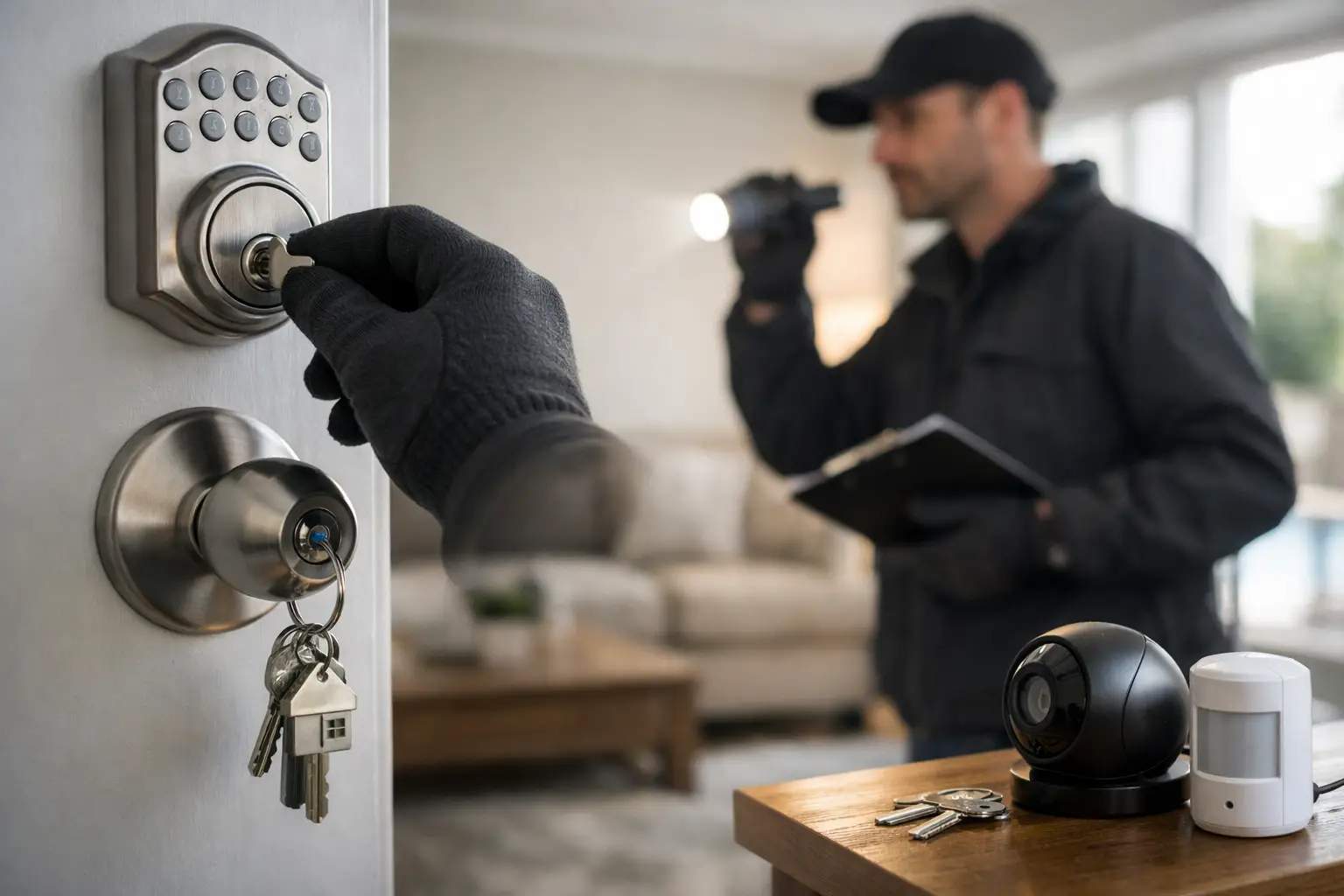
Before repairs, cleaning, or showings begin, walk the property with security in mind. Test every exterior door from both sides. The door should close cleanly, the latch should engage fully, and the deadbolt should extend into a solid strike plate. A strong lock cannot do its job if the door frame is weak or the strike plate is loose.
Check that door hinges are secure and that exposed hinges are protected where appropriate. Look for cracked frames, loose trim, rusted hardware, warped doors, and gaps large enough to affect latch alignment. These conditions can cause lock failures and may also signal attempted forced entry.
Windows deserve the same attention. Confirm that each accessible window locks, particularly ground-floor, basement, and rear-facing windows. Replace broken locks and repair frames that prevent the window from closing completely. For sliding windows and patio doors, verify that the factory lock works and consider a properly fitted secondary security device when the opening is vulnerable.
Exterior lighting also matters. A dark side yard, back stairwell, or parking area gives someone more cover to test a door or window. Motion-activated lighting can be useful, but it should be placed to light paths and entrances without shining directly into neighbors’ homes or tenants’ bedrooms.
Choose Hardware That Matches the Property
Not every rental needs the same lock setup. A single-family home with several exterior doors has different risks than a third-floor apartment with controlled building access. The goal is not to install the most complicated hardware available. It is to use dependable hardware that fits the door, the location, and your ability to manage access.
For many residential rentals, a quality deadbolt paired with a properly reinforced strike plate provides a solid foundation. The door, frame, screws, and installation quality matter as much as the lock itself. Long screws secured into structural framing can make a meaningful difference at a vulnerable entry door.
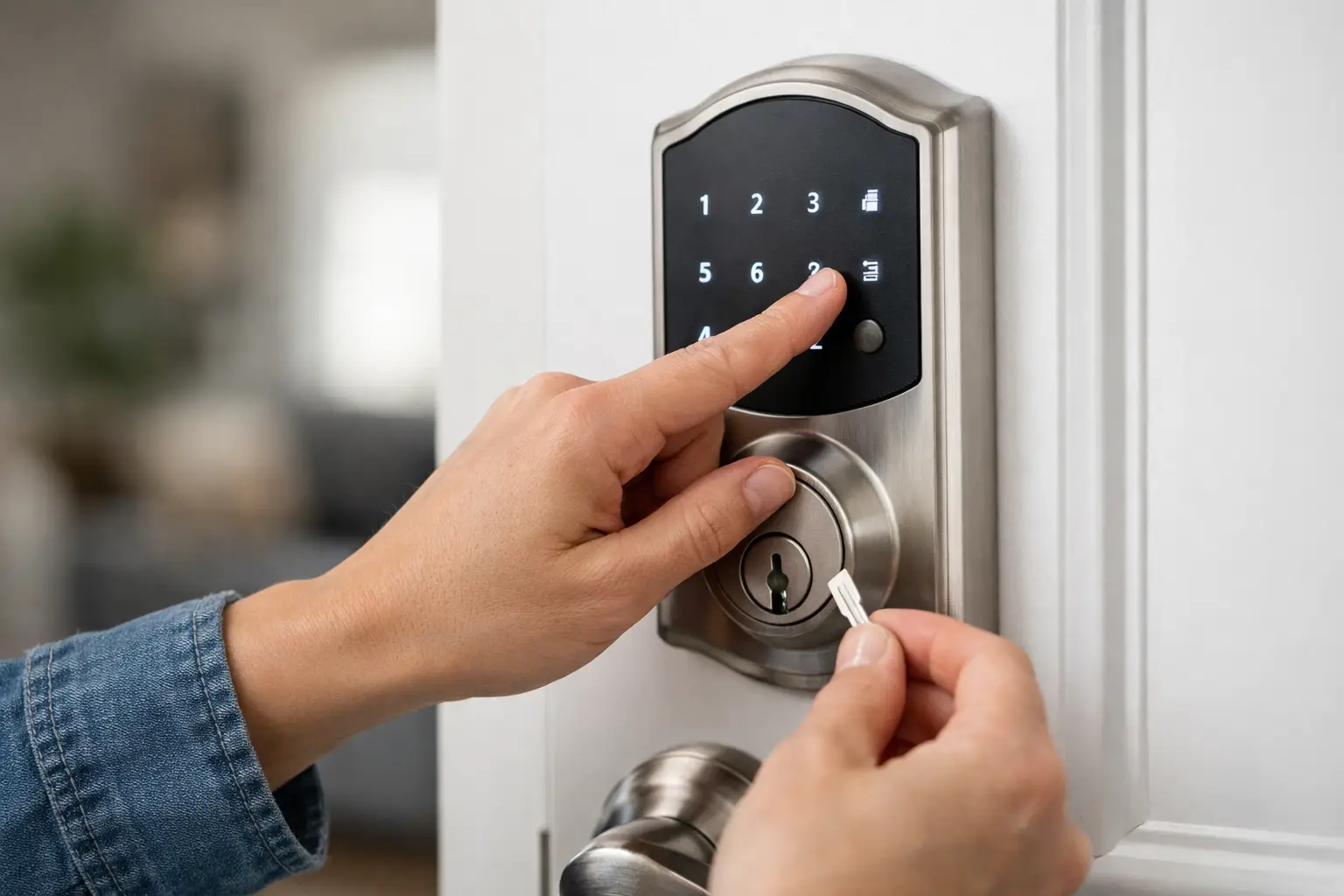
Electronic locks can help property managers avoid key handoffs and simplify access changes, but they also require a process. Remove old codes immediately, use separate temporary codes for contractors when possible, and change or disable those codes when work is complete. Keep backup access available for battery failure or a malfunctioning keypad. Smart hardware is convenient only when it is maintained and managed carefully.
Avoid giving every person the same master key or code. Limit access to the people who genuinely need it, and know who they are. If a maintenance key goes missing, treat it as a security issue, not a minor inconvenience.
Protect a Vacant Unit From Easy Opportunity
A vacant property can attract more attention than an occupied one, especially when mail piles up, lights remain off for weeks, or a lockbox stays on the door too long. During turnover, remove old lockboxes as soon as they are no longer needed. Do not leave keys hidden under mats, planters, utility boxes, or other predictable places.
Keep the unit looking monitored. Collect mail and packages, schedule regular checks, and make sure landscaping or common-area maintenance does not signal that no one is watching the property. If contractors will be entering, use a clear sign-in process and avoid leaving unrestricted keys on site.
Be deliberate during showings as well. Do not leave the unit unlocked between appointments. After each showing, confirm that doors and windows are secured. If keys are handled by multiple leasing staff members, use a controlled checkout process rather than passing one untracked key from person to person.
Set Clear Tenant Expectations Without Overstepping
Security works better when tenants know what is expected. Your lease and move-in instructions should address key copies, lost keys, lock changes, guest access, parking remotes, and what to do after a break-in or attempted entry. Requirements must follow applicable California and local rules, so review your policies with a qualified property professional when needed.
Tenants should know how to report a damaged lock immediately. A key that suddenly sticks, a deadbolt that will not turn, or a door that no longer latches may seem minor, but waiting can leave the unit exposed or create a lockout after hours. Prompt reporting gives you the chance to make a controlled repair instead of dealing with an emergency.
Respect tenant privacy while maintaining a practical emergency-access plan. Keep any owner or management keys secured, document who can access them, and use them only according to the lease and legal notice requirements. Security is not an excuse for casual entry.
Respond Fast After Lost Keys, Damage, or a Break-In
When keys are lost, stolen, or connected to a former tenant, do not wait to see whether anything happens. Rekey or replace affected locks promptly. If a key ring included an address, unit number, garage remote, or identifying information, the risk is greater because the key can be matched to the property.
After an attempted break-in, inspect more than the obvious damage. A forced door may have a bent latch, split frame, weakened strike plate, or damaged deadbolt that no longer provides reliable protection. Secure the opening first, then make lasting repairs. Temporary fixes are sometimes necessary at night, but they should not become the permanent solution.
For urgent lock changes, broken locks, tenant lockouts, or damaged entry hardware, a mobile locksmith can come to the property and address the problem on site. YES Locksmith provides residential and commercial locksmith support throughout Daly City, San Francisco, and surrounding Bay Area communities, with an emphasis on damage-free service and dependable emergency response.
A secure rental is built from small decisions made before there is a crisis: fresh keys at turnover, tested doors and windows, controlled access, and a clear plan when something goes wrong. Handle those details early, and your next tenant can walk into a home that feels protected from the first turn of the key.