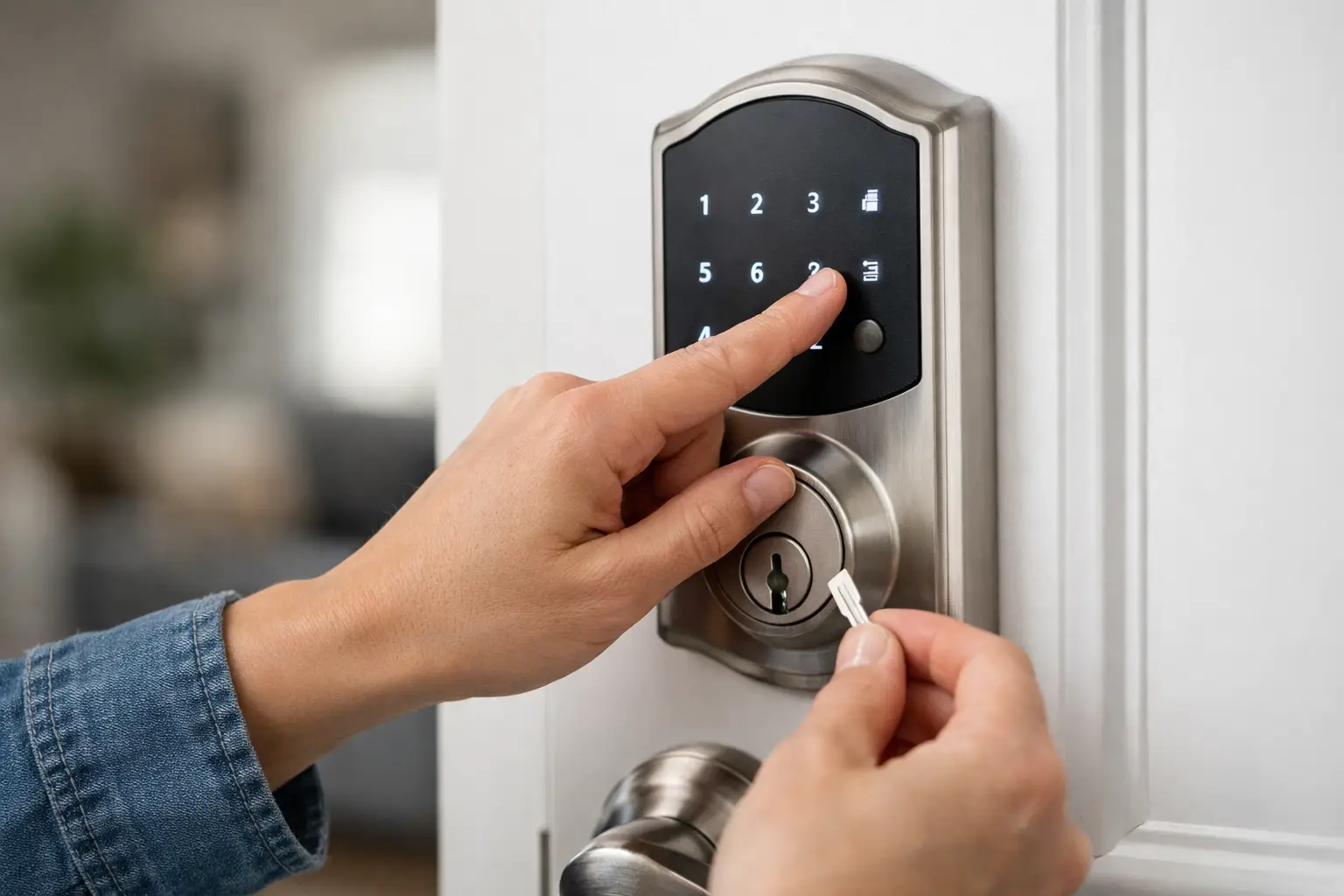

A lost employee key should not force a San Francisco business owner to replace every lock in the building. A properly designed master key system gives the right people access to the right areas while keeping sensitive rooms, offices, inventory, and equipment protected. It also makes everyday operations easier for property managers, retail owners, office administrators, and facilities teams.
The value is not simply carrying fewer keys. It is having a clear access plan that works during normal business hours, after an employee leaves, when a tenant changes, or when an emergency requires fast entry. YES Locksmith helps local businesses and property owners build key systems that support security without creating unnecessary disruption.
What Is a Master Key System?
A master key system uses specially keyed locks that can be opened at different access levels. An individual key may open one door, while a higher-level key can open several doors, and a master key can open all locks assigned to that system.
For example, a retail employee may have a key for the front entrance and staff restroom. A store manager may have a key that also opens the stockroom and office. The owner or facilities manager may carry one master key for every designated door at the location.
This arrangement is built into the lock cylinders and key cuts. It is not a shortcut or a universal key that can open unrelated locks. Each system is planned around your property, your doors, and the access levels your team actually needs.
Why Businesses Choose a Master Key System
Commercial properties often grow into a collection of mismatched locks. One key opens a supply closet, another opens a rear door, another belongs to the office, and no one is fully sure who has copies. That is inconvenient on a busy day and risky when personnel change.
A master key system organizes access. Instead of handing a supervisor a heavy ring of keys, you can assign one key that opens only the areas required for that role. It saves time when opening and closing, responding to maintenance issues, or giving authorized contractors access to specific spaces.
The security benefit matters just as much. Sensitive areas can remain restricted even when employees need access to common doors. This is especially useful for offices with records, clinics, apartment buildings, restaurants, warehouses, schools, and retail locations with cash handling or high-value inventory.
A well-planned system also helps after staff turnover. If a former employee had access only to a limited section, you may be able to rekey the affected cylinders rather than changing every lock on the property. The right response depends on how the system was designed and which keys were issued, but compartmentalized access can reduce both cost and exposure.
Access Levels Should Match Real Responsibilities
The best key system starts with a practical conversation, not a one-size-fits-all layout. Before locks are keyed, consider who needs access, what areas need protection, and who must be able to enter during an emergency.
A small office may need only two levels: employee access and owner access. A larger commercial building may need several levels for tenants, maintenance staff, floor supervisors, building management, and ownership. A property manager may need access across multiple units, while each tenant has a key that opens only their own space.
It is also wise to identify doors that should not be part of the master plan. Server rooms, medicine storage, cash offices, private files, and certain utility areas may require separate restricted access. Convenience should never weaken protection for the areas where a breach would cause the greatest loss.
Common commercial setups
A master key system can be adapted for many Bay Area properties. In a multi-tenant building, tenants can access their suites while management retains controlled access to common areas and approved service spaces. In a restaurant, staff may access entry doors and restrooms while managers alone can enter the office, liquor storage, or safe area.
For warehouses and contractor yards, separate access can be assigned to gates, storage rooms, offices, and equipment areas. For apartment owners and property managers, the system can simplify access to building entrances, utility rooms, vacant units, and maintenance areas without giving one key unrestricted access everywhere.
Installation Is Only Part of the Security Plan
A new key system works best when the door hardware is in good condition. A damaged lever, loose deadbolt, worn cylinder, or misaligned strike plate can create access problems even when the keying is correct. During an on-site assessment, a professional locksmith should look at the condition of the doors and locks, not just the number of keys you want.
In some cases, existing commercial-grade hardware can be rekeyed into a new system. In others, lock replacement is the safer choice because the current hardware is worn, incompatible, or not suitable for the door. Rekeying is often more cost-effective, but it is not automatically the right answer for every property.
Door use also matters. A high-traffic storefront, an exterior gate exposed to weather, and an interior office door have different demands. The lock hardware should be selected for the door, the level of traffic, and the security risk, then keyed to support the access plan.
Key Control Is Where Many Systems Fail
Even the best locks cannot help if keys are copied freely and no one tracks who has them. Key control is the operating discipline behind a secure master key system.
Keep a written record of every issued key, its access level, the person responsible for it, and the date it was issued. Require keys to be returned when an employee, tenant, vendor, or contractor no longer needs access. Do not label keys with a business name, suite number, or address that could help someone use a lost key.
For properties with higher security needs, restricted keyways may be worth considering. These systems are designed to limit unauthorized duplication and provide a more controlled way to order additional keys. They are not necessary for every small business, but they can be a smart investment where staff turnover is frequent or access to valuable assets must be tightly managed.
If a master key is lost, act quickly. The risk is greater than losing a single-door key because that key may open multiple areas. A locksmith can review which locks are affected and recommend whether targeted rekeying, a broader system change, or other security updates are needed.
When to Upgrade or Redesign Your System
Many businesses wait until a break-in, employee dispute, or major lockout exposes the problem. A planned upgrade is usually less stressful and gives you more control over the result.
Consider reviewing your keys when you take over a new commercial space, add staff, renovate offices, change tenants, lose track of key copies, or find that managers are carrying too many keys. It is also a good time to review access after a terminated employee leaves or when a key holder cannot account for a missing key.
If your business already uses electronic access control, mechanical master keys can still have a role. They may provide backup access during a power issue, serve low-traffic doors, or support areas where electronic hardware does not make financial sense. The right combination depends on the building, budget, and security requirements.
Get the System Right Before Keys Are Issued
A key system is much easier to manage when it is designed before locks are installed and keys are handed out. An experienced locksmith can assess the property on-site, recommend compatible hardware, create access levels, and rekey or replace locks with minimal interruption to your operation.
For Bay Area businesses, property managers, and building owners, the goal is simple: authorized access when it is needed, controlled entry where it matters, and fewer surprises when staff or tenants change. A thoughtful master key system turns a daily source of confusion into a clear, dependable security plan.