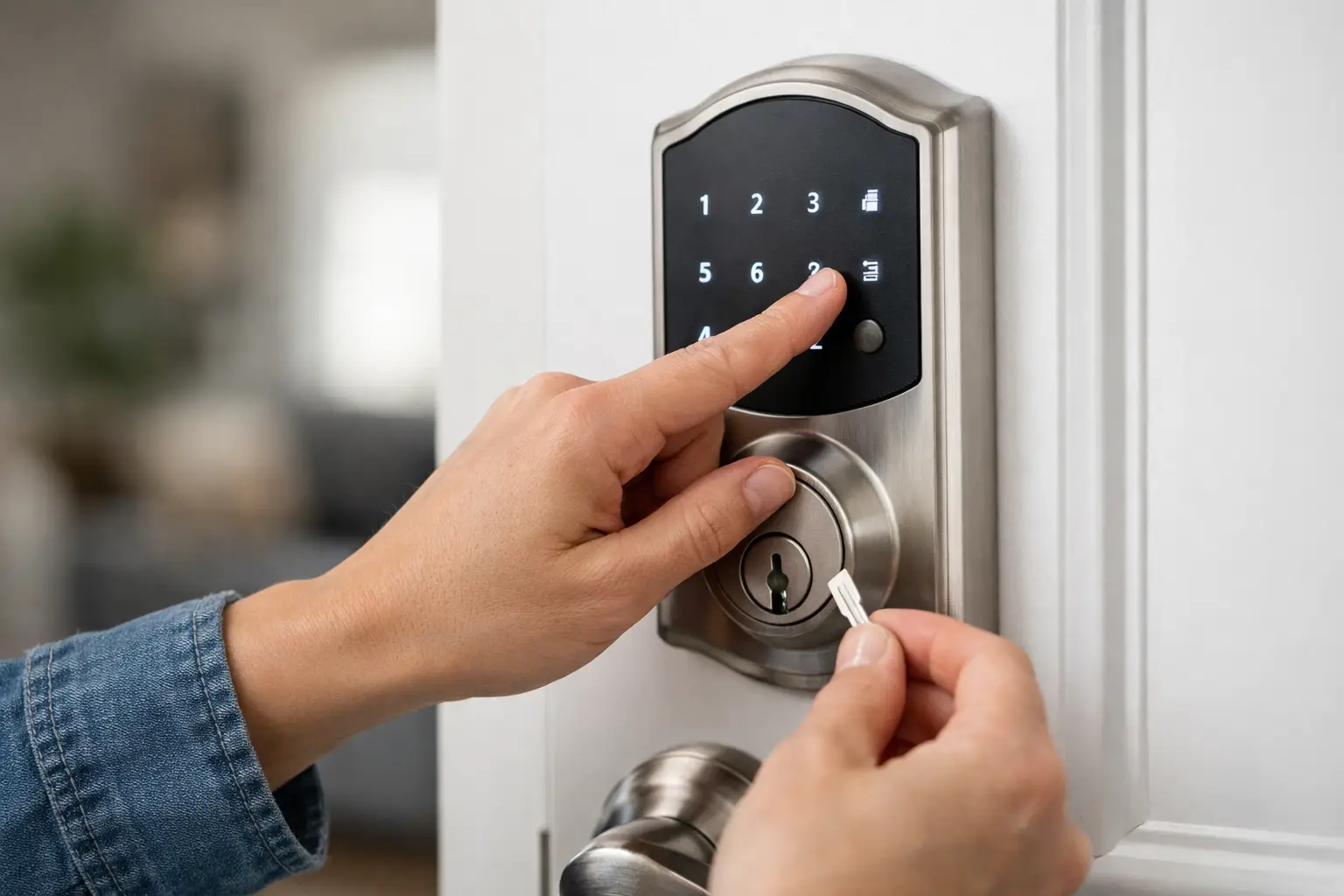
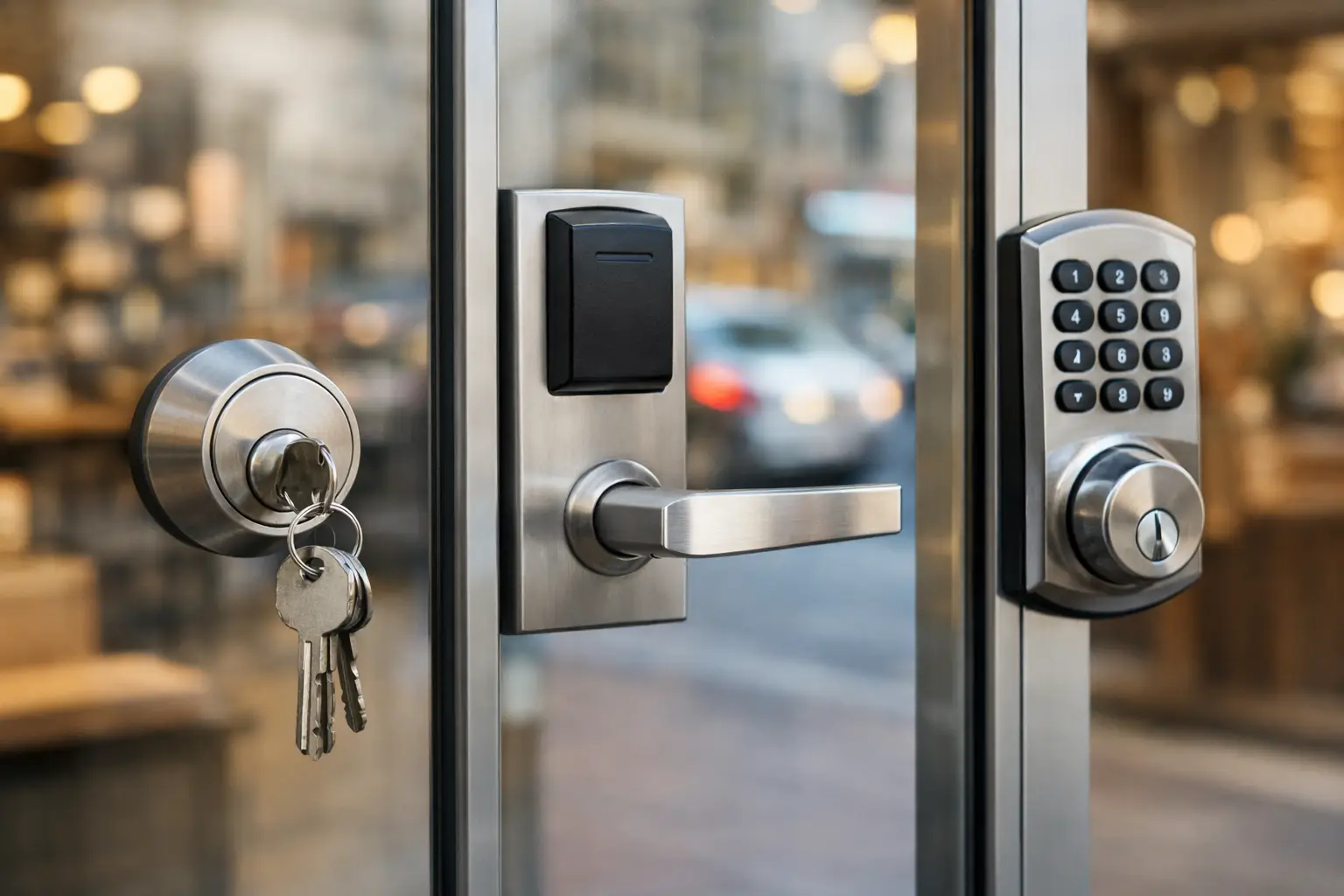
An employee leaves with a key. A master key cannot be accounted for after a move. A contractor finishes a job, but nobody is certain how many copies were made. These are not small administrative loose ends. They are moments when a commercial rekeying guide for offices becomes a practical security plan.
Rekeying changes the internal configuration of an existing lock so old keys no longer work. Your office can keep its current door hardware when it is in good condition, while receiving a new set of working keys and a controlled access plan. For many Bay Area offices, that is faster and more cost-effective than replacing every lock after a staffing or security change.
When an Office Should Be Rekeyed
The clearest reason to rekey is a lost, unreturned, or potentially copied key. If you cannot confidently say who has a key to your office, server room, supply closet, or suite entrance, your lock should be treated as compromised. Waiting for proof that someone will misuse a key leaves your business exposed.
Employee turnover is another common trigger. Rekeying after a termination, resignation, or management change protects the workplace without accusing anyone of bad intent. It is simply good access control. The same applies when tenants change in a shared commercial building or when a property manager takes over a new location.
Office moves and renovations can also create key-control problems. During construction, keys may pass among contractors, painters, cleaning crews, and vendors. Rekeying at the end of the project gives management a clean starting point before employees return.
A rekey is especially useful after an office lockout involving a missing key, following a burglary attempt, or when keys have been left in an unsecured vehicle. If there is any doubt about who can enter, act quickly. A mobile commercial locksmith can assess the hardware on-site and restore control without causing unnecessary damage to your doors.
Commercial Rekeying Guide for Offices: Start With Access
Before scheduling service, walk through the office and identify every door that protects people, property, records, inventory, or sensitive equipment. The main entry is only one part of the picture. Many businesses overlook rear exits, connecting suite doors, storage areas, file rooms, IT closets, and interior offices with confidential materials.
Think about who genuinely needs access to each area. Most staff may need the front door and common areas, while only managers need the cash office, network closet, or key cabinet. A well-planned rekeying job can support that difference through a master key system.
With a master key system, each authorized person can carry a key for the doors they use, while an owner, manager, or facility lead has a higher-level key that opens multiple designated doors. This reduces oversized key rings and prevents the common mistake of giving every employee access to every room.
The trade-off is responsibility. A master key is valuable because it opens more than one door, so it must be tightly controlled. Keep a written record of who receives one, prohibit unauthorized duplication, and collect it immediately when a role changes. For businesses with frequent staffing changes, a restricted keyway may be worth considering because it makes casual key copying more difficult.
Rekeying Versus Replacing Office Locks
Rekeying is the right choice when the existing lock is secure, compatible with your door, and working smoothly. The cylinder is changed internally, old keys stop working, and the hardware stays in place. It is often the efficient answer after lost keys, employee turnover, or a change in office occupancy.
Replacement is the better option when the lock is worn out, damaged, outdated, or not providing the level of protection your business needs. A loose lever, sticking deadbolt, broken latch, or door that does not close and latch consistently cannot be fixed by rekeying alone. The same is true if your office needs panic hardware, a keypad, a credential-based access system, or upgraded door reinforcement.
Some offices need both. For example, a locksmith may rekey functioning interior locks while replacing a damaged exterior deadbolt or installing a commercial-grade lever set on a high-traffic entry. The right solution depends on the condition of your hardware, your insurance requirements, and how much access needs to change.
Do not make the decision based on price alone. The least expensive option is not a good value if it leaves a vulnerable entry point in place. A qualified commercial locksmith should explain what can be rekeyed, what should be repaired or replaced, and why.
Prepare for a Fast, Controlled Rekey
A little preparation makes the service visit faster and helps avoid access gaps. Assign one authorized decision-maker who can confirm which doors should be rekeyed and who should receive keys. If the office is in a leased building, check whether the landlord controls certain exterior doors or requires a specific key system.
Create a simple door list before the locksmith arrives. Note the front entrance, back entrance, private offices, storage rooms, shared spaces, and any doors that should operate under the same key. Also identify doors that must remain separate, such as a finance office, medical records room, or server closet.
For larger offices, key labeling matters. Labels should identify the key holder or key number, not advertise the exact door or suite it opens. A key marked “Rear Exit – Suite 402” gives a finder far too much information. Keep your detailed key records in a secure place instead.
Schedule the work around your business operations whenever possible. Rekeying is generally less disruptive than replacing hardware, but the technician will need access to each lock. For a busy office, service may be planned before opening, after closing, or during a quieter period. If a key is missing after a termination or security incident, do not wait for the convenient window. Treat the situation as urgent.
Avoid the Key-Control Mistakes That Create Risk
Rekeying solves the immediate problem, but key control keeps it from returning. Offices often lose track of access because keys are handed out informally, copied at a hardware store, or passed from one employee to another without documentation.
Set a clear policy: keys are issued by an authorized manager, never loaned out, and returned on the employee’s final day. Keep a key log with the date issued, key number, holder name, and return date. Review it when roles change and after any relocation or contractor project.
Avoid storing spare keys in desk drawers, planters, unlocked cabinets, or obvious hiding places near the entrance. A secure key cabinet with limited access is a much better option. If you use a lockbox for emergency access, change its combination when the person responsible for it changes.
It also helps to inspect the door itself. Even a quality lock has limits if the strike plate is loose, the frame is damaged, the closer does not fully shut the door, or the hinges are exposed and weak. Commercial security works as a system, not as one piece of hardware.
Choose a Commercial Locksmith You Can Trust
Your office locksmith will work on the points that protect your employees, equipment, customer information, and daily operations. Choose a licensed, bonded, and insured provider with commercial experience, clear communication, and mobile service that can come to your location.
Ask whether the technician can assess existing hardware, rekey multiple locks to a planned key system, and identify problems that could affect door security or code compliance. You want a professional who offers practical options, not someone who automatically pushes full replacement when a rekey will do the job.
For offices in Daly City, San Francisco, and nearby Bay Area communities, YES Locksmith provides on-site commercial rekeying and lock service with the urgency a workplace security issue deserves. Whether you are responding to a missing key or planning a management change, the goal is the same: restore control before uncertainty becomes a problem.
A key should open a door because your business intentionally allowed it, not because nobody got around to changing the lock. When access changes, a prompt rekey gives your office a secure, manageable fresh start.