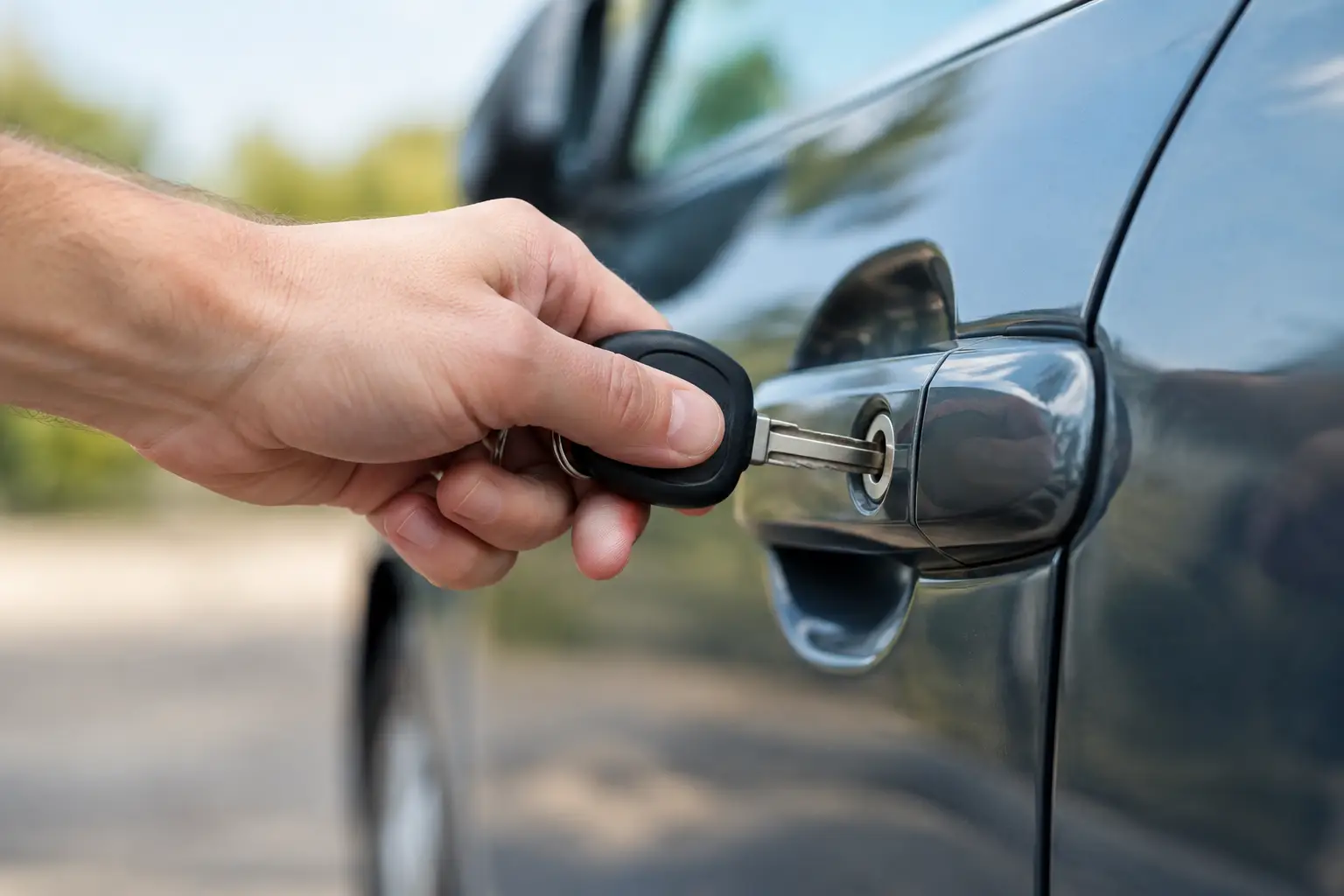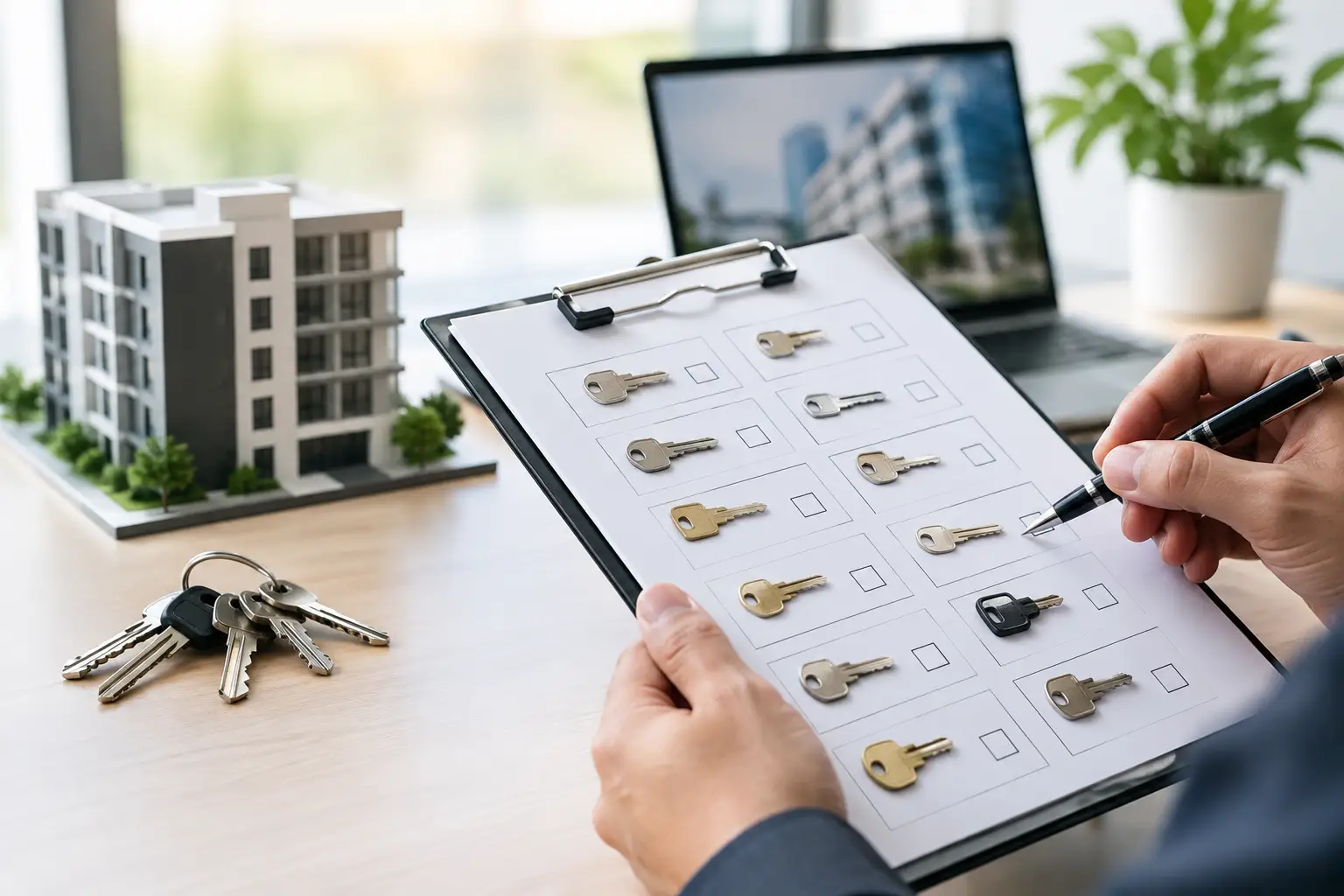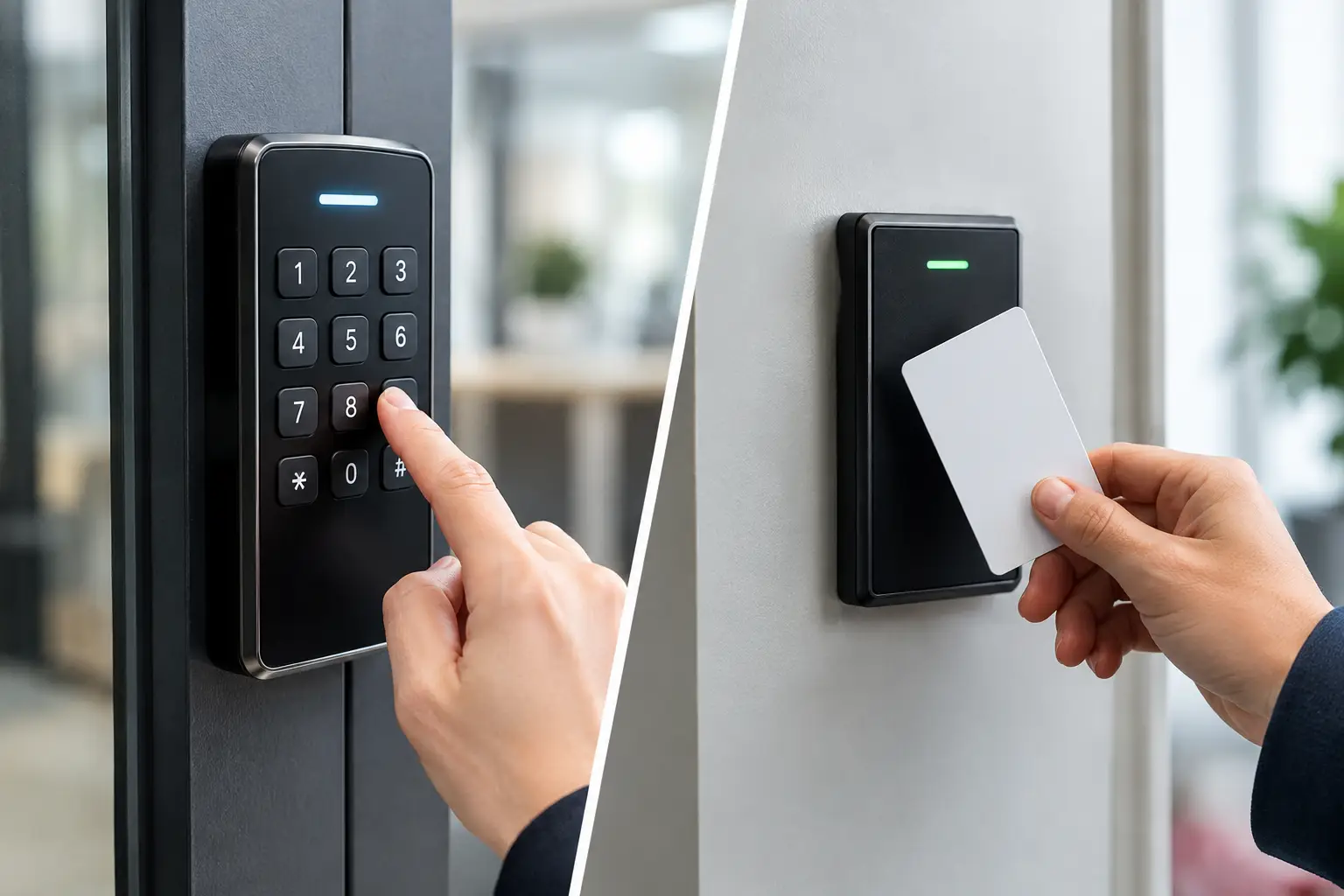

A lost key, a former employee with access, or a tenant who never returned a card can turn into a security problem fast. When comparing keypad locks versus card access, the better choice is not always the most expensive system. It is the system your household, staff, or property manager can operate reliably and control without delay.
For homes, small offices, storefronts, and rental properties in San Francisco and Daly City, both options can reduce dependence on traditional keys. They also come with different risks, costs, and maintenance needs. Choosing correctly starts with knowing who needs access, how often those people change, and what should happen when power, batteries, or equipment fail.
How Keypad Locks Work
A keypad lock opens when a user enters a programmed PIN. Many models are battery-operated and replace an existing deadbolt or lever lock, making them a practical upgrade for a residence, office suite, supply room, or rental unit. More advanced commercial keypads may be hardwired and connected to an access control system.
The main advantage is straightforward: there is no physical credential to carry. A homeowner can give a dog walker or contractor a temporary code. A manager can assign separate codes to employees and remove a code when someone leaves. If a resident is locked out after losing keys, a working code can provide a quick way back inside without making copies for everyone.
Keypads are also often the lower-cost option for a single door. Installation can be less involved than a full card access setup, especially when the door does not need remote monitoring or scheduled access rules.
That convenience depends on good code management. A shared code passed around among staff is difficult to trace. Codes written near the door or reused across several properties weaken security. A keypad should support individual user codes whenever possible, and the owner should remove old codes promptly.
Where keypad locks make sense
Keypad locks are a strong fit for homes, small rental properties, private offices, utility rooms, and businesses with a limited number of trusted users. They can also work well on a side entrance where employees need access outside normal business hours but where detailed entry reporting is not necessary.
They are less suitable when dozens of people need credentials, turnover is frequent, or management needs a dependable record of who entered and when. In those situations, a card-based system may provide better control.
How Card Access Works
Card access uses a key card, fob, or mobile credential that is presented to a reader. The reader sends information to a controller, which decides whether that credential can open the door. A basic system may handle one or two doors. A larger commercial system can manage multiple entrances, access schedules, user groups, and entry records from one location.
For businesses and managed properties, card access gives managers more precise control. An employee can have access to the front door and office area but not a storage room, server closet, or restricted floor. A contractor’s credential can work only during scheduled hours. If a card is lost or an employee leaves, the credential can be deactivated rather than requiring the lock to be rekeyed.
This is especially valuable for offices, medical practices, apartment common areas, warehouses, and buildings with several shifts. When staff changes regularly, removing access should take minutes, not a full lock replacement.
The trade-off is added equipment and installation complexity. Card access may require door readers, controllers, electric strikes or electrified hardware, power supplies, cabling, and backup power planning. The initial cost is usually higher than a standalone keypad, and a poorly designed installation can create access failures or door hardware problems.
Keypad Locks Versus Card Access for Security
Neither system is automatically safer. Security depends on the product, the door, the installation, and the way credentials are managed.
A keypad removes the risk of a copied physical card, but PINs can be shared, guessed, or observed by someone standing nearby. Long, unique codes and automatic lockout after repeated failed attempts help reduce that risk. For a busy commercial entrance, choose a unit designed for frequent use rather than a residential keypad placed under constant traffic.
Cards and fobs can be lost, borrowed, or cloned if an outdated credential technology is used. Better commercial systems support encrypted credentials and allow administrators to deactivate a missing card immediately. Card access also makes it easier to identify patterns, such as repeated denied entries or access attempts after an employee has been removed from the system.
Physical door security still matters. A high-quality electronic lock on a weak door frame, loose strike plate, damaged closer, or poorly aligned latch will not provide the protection you expect. A qualified locksmith should inspect the full opening, including the door, hinges, latch, frame, panic hardware, and fire-rating requirements when applicable.
Audit trails change the conversation
An audit trail is one of the biggest differences between the two options. Many standalone keypad locks only confirm that a valid code was used. They may store limited event history, or none at all. Card access systems can generally record which credential was used, at which door, and at what time.
That record is useful after a theft, dispute, or security concern. It also helps property managers confirm whether access was removed on time. Still, logs are not a substitute for sound policies. Someone can hold a door open for another person, and a valid credential does not prove who physically entered. Use access records as one part of a broader security plan.
Cost, Maintenance, and Power Failures
For one door, a keypad is usually less expensive to buy and install. It may run on batteries, which keeps installation simple but creates a maintenance task. Batteries should be replaced on a schedule, not after the lock begins showing low-power warnings. Keep the mechanical override key secured and available to an authorized person in case the electronics fail.
Card access has higher upfront costs, particularly when wiring, electrified hardware, and multiple doors are involved. It can be a better long-term investment when it avoids repeated rekeying, reduces key replacement, and makes employee access changes faster. The value increases as the number of users and doors grows.
Power planning is not optional for either system. Battery-powered keypads need fresh batteries. Hardwired card systems should have battery backup for controllers and appropriate door hardware. The system also needs to be set up correctly for fire and life-safety rules. Some doors must release during a power failure, while others may need to remain secured. The correct configuration depends on the door’s purpose, occupancy requirements, and local code.
Do not assume every electronic lock can be installed on every door. Exterior gates, aluminum storefront doors, fire-rated doors, emergency exits, and doors with panic bars require hardware that matches the application. Trying to force a consumer-grade device onto a commercial door can lead to expensive repairs and unsafe operation.
Choosing the Right Access Method
Choose a keypad when you need a practical, lower-cost solution for a small group, one or two doors, or temporary code access. It is particularly useful when residents, cleaners, contractors, or a small staff need entry without a growing ring of physical keys.
Choose card access when you manage multiple employees, restricted areas, changing schedules, or several doors. It is the stronger choice when immediate credential removal and entry reporting matter to your business or property.
Some properties benefit from both. A small business might use card access at the employee entrance and a keypad for a maintenance closet. A multifamily building may use cards or fobs for common areas while individual units use traditional mechanical locks or electronic deadbolts suited to the lease arrangement. The right combination should follow the real use of each door, not a one-size-fits-all package.
Before replacing hardware, make a short list of every person who needs access, which doors they need, and whether their access should expire or follow a schedule. Include delivery staff, cleaners, vendors, managers, and emergency contacts. This simple review often reveals whether a basic keypad is enough or whether card access will save time and improve control.
If you are unsure which system fits your property, have the doors evaluated before buying equipment. YES Locksmith can inspect the existing hardware, identify installation concerns, and help you choose an access setup that protects the property without creating new access problems when you need the door to work most.