
A keyless lock should make coming home easier, not leave you standing at the door with a dead battery, a jammed keypad, or an app that will not connect. This keyless entry lock review is built for Bay Area homeowners, landlords, and business owners who want practical security without gambling on hardware that does not fit their door or daily routine.
The right choice depends less on the most expensive model and more on how the door is used. A front door in a busy household has different demands than a rental unit, storefront, side gate, or office entry. Before replacing a working deadbolt, look at who needs access, how often codes need to change, and what happens when the battery runs low.
Keyless Entry Lock Review: What Matters Most
A quality keyless lock combines a reliable mechanical deadbolt with an electronic way to operate it. The electronic features are convenient, but the physical lock still does the security work. That is why the best purchase is not always the lock with the longest list of app features.
Start with the deadbolt. Look for solid construction, a properly fitted strike plate, and hardware that matches the existing door preparation. A well-made keypad lock installed poorly can still be forced, misaligned, or difficult to operate. If the bolt rubs against the strike plate, the motor has to work harder each time the door closes. Over time, that can drain batteries and lead to a failure when you need the lock most.
For exterior doors, choose a lock from an established manufacturer that has a physical key override or another dependable emergency entry method. Keyless does not have to mean key-free in every situation. Keeping a backup key in a secure, separate location can prevent an avoidable lockout.
Keypad Locks: The Practical Choice for Most Doors
A keypad deadbolt is often the most straightforward option. You enter a code, the lock opens, and there is no app, hub, or internet connection required. For many homeowners, this is the best balance of convenience, price, and reliability.
Keypad locks work especially well for families, rental properties, cleaners, dog walkers, and contractors. Instead of copying keys, you can assign separate codes and delete them when access is no longer needed. A landlord can change a tenant code between occupants without replacing the entire lock cylinder.
The trade-off is that basic keypad locks offer limited activity tracking. They may not tell you exactly when a specific person came in, and remote code management is usually unavailable. Still, fewer connected features also means fewer technical issues to troubleshoot.
Smart Locks: Better Control, More Moving Parts
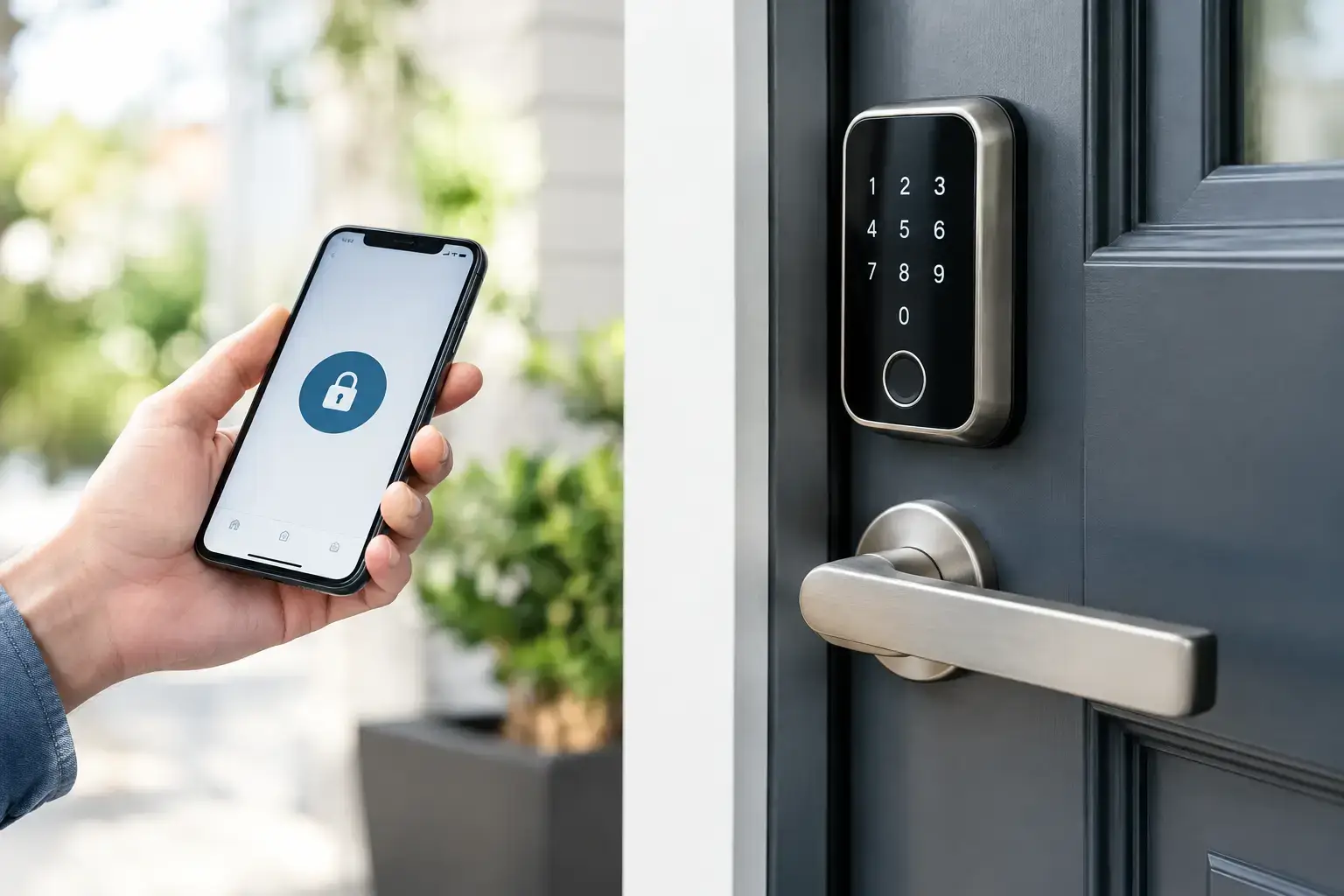
Smart locks add phone control, remote access, temporary codes, and activity logs. They can be a strong fit for short-term rentals, managed properties, offices, and households where people frequently need access at different times.
The convenience is real. A property manager can remove a former employee’s credentials without collecting a key. A homeowner can create a temporary code for a delivery or repair appointment. Some models also alert you when the door is left open or when the lock is operated.
But smart locks depend on batteries, wireless connectivity, and proper setup. Bluetooth-only models are useful when you are near the door, while Wi-Fi-enabled systems may require a bridge, hub, or a dependable home network for remote control. If remote access is the main reason for buying one, confirm what equipment is included before installation.
A smart lock should never become your only plan for entering the property. Phone batteries die, Wi-Fi goes down, and apps occasionally need updates at the worst time. Choose a model with a keypad, physical key override, or other local entry option that does not rely on the internet.
Security Features Worth Paying For
Do not judge a lock by its touchscreen alone. The features that matter are the ones that protect the door, limit unauthorized access, and prevent routine problems.
When comparing keyless locks, pay close attention to these four details:
- Auto-lock settings: Helpful for busy households and rental units, but set the delay carefully. A very short timer can be frustrating when carrying groceries or moving equipment.
- Unique user codes: Separate codes make it easier to remove access for a guest, vendor, employee, or former tenant without disrupting everyone else.
- Low-battery warnings: A lock should warn you well before power is depleted. Replace batteries on schedule rather than waiting for an alert.
- Weather protection: Exterior locks need to handle fog, rain, temperature changes, and direct sun. This matters on exposed Bay Area doors and gates.
Also check whether the lock can resist common code-guessing attempts. Many quality models temporarily disable the keypad after repeated incorrect entries. A backlit keypad helps at night, but make sure the numbers remain readable without making the lock unnecessarily complicated for guests or older family members.
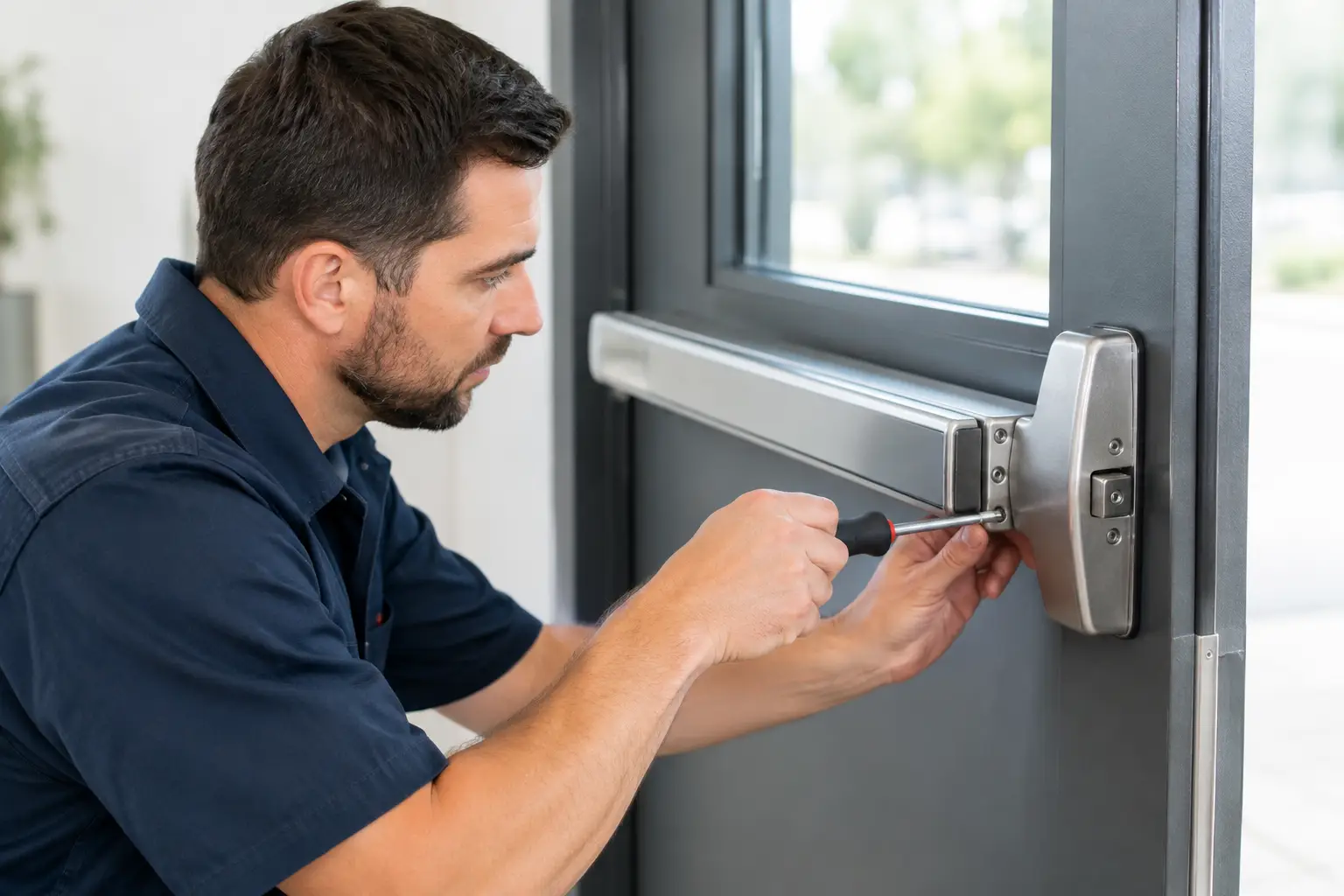
For commercial doors, do not assume a residential smart deadbolt is enough. A storefront, office, or multi-user building may need commercial-grade hardware, a panic exit device, door closer adjustments, or an access control system. The wrong product can create safety and code-compliance problems, especially on required exit doors.
Installation Can Decide Whether the Lock Works
Many keyless lock complaints are installation problems in disguise. If the door is warped, the frame has shifted, or the deadbolt does not line up cleanly with the strike plate, even a new lock can bind and fail to operate correctly.
Before buying, measure the door thickness, backset, bore hole size, and distance between the deadbolt and handle. Most standard residential doors are compatible with common electronic deadbolts, but older doors, metal doors, narrow stiles, and custom hardware often need extra attention.
Do not force an electronic deadbolt to compensate for a door that is out of alignment. The bolt should slide freely when you turn it by hand with the door open and close smoothly when the door is shut. If it sticks, have the alignment corrected before relying on the electronic function.
A professional installation also protects the door finish and existing hardware. This is especially valuable for high-end entry doors, rental properties where damage creates added costs, and commercial locations that cannot afford a security gap during business hours.
Common Problems and How to Avoid Them
Battery failure is the issue people worry about most, but it is usually preventable. Use the battery type recommended by the manufacturer, avoid mixing old and new batteries, and replace them before they are fully depleted. Extreme heat, cold, and a binding deadbolt can shorten battery life.
Another common problem is sharing one code with too many people. If everyone uses the same number, you lose the ability to identify whose access should be removed. Create individual codes where the lock allows it, and delete temporary codes as soon as a project, tenancy, or visit ends.
For smart locks, protect the account behind the lock just as carefully as the lock itself. Use a strong account password, enable available two-step verification, and remove old users promptly. A secure deadbolt does little good if a former roommate still has active app access.
If a keypad stops responding, a bolt will not retract, or the door is damaged after a break-in attempt, avoid repeated force. Forcing the lock can damage the door, frame, and internal mechanism. A qualified locksmith can diagnose whether the problem is power, alignment, electronics, or a failed lock body.
Our Practical Verdict on Keyless Locks
For most homes, a dependable keypad deadbolt with a key override is the safest starting point. It gives your household code-based access without requiring Wi-Fi or a subscription. For rental owners, property managers, and offices that need frequent access changes, a smart lock with managed user codes and reliable local entry can save time and reduce key-control problems.
The best keyless lock is one that matches the door, the people using it, and the consequences of a failure. A licensed mobile locksmith can inspect the door, fit the right hardware, and make sure the deadbolt closes correctly before the job is finished. YES Locksmith helps Bay Area customers make that decision on-site, with professional installation and damage-free service when access or security is on the line.
Choose convenience, but keep a backup entry plan and maintain the hardware. That small amount of preparation can keep a simple upgrade from becoming a late-night lockout.