
A key that will not come out of a lock can turn a normal morning into a real access and security problem fast. If you are asking, why is my key stuck, the most important answer is this: do not force it. A key can often be removed without damage when the problem is handled early, but twisting, yanking, or using the wrong tool can snap the key inside the lock.
Whether the key is stuck in your front door, office, mailbox, garage, or vehicle ignition, start by taking pressure off the situation. Keep the door or steering wheel still, inspect what the key is doing, and use only gentle movements. If it will not release quickly, a professional locksmith can remove it and identify the cause before a minor problem becomes a lock replacement.
Why Is My Key Stuck in the Lock?
A key normally slides in and out only when the pins inside the lock cylinder line up correctly. When something prevents that alignment, the key can become difficult to turn, difficult to remove, or completely trapped. The cause may be the key, the lock, the door alignment, or a combination of all three.
The lock cylinder is worn or dirty
Locks collect dust, metal debris, moisture, and residue over time. In coastal Bay Area conditions, moisture and corrosion can also affect older exterior hardware. Dirt inside the cylinder can stop the small internal pins from moving freely, leaving the key stuck even though it was working recently.
Wear is another common issue. A lock that has been used for years may have worn pins, springs, or internal components. You may notice warning signs first: the key needs jiggling to turn, it only works when inserted a certain way, or it feels rough when you remove it. Those symptoms mean the lock needs attention before the key breaks or you are locked out.
The key is bent, worn, or damaged
Keys are thinner than they look, especially house keys that have spent years on a heavy key ring. A slightly bent key can enter the lock but catch on the way out. Worn key cuts can also fail to lift the pins to the proper height.
Take a close look at the blade. If it is visibly bent, cracked, heavily worn, or has damaged teeth, do not keep using it. A spare key may work temporarily, but it does not fix a failing lock. It is safer to have a fresh key cut from a working original or have the lock serviced if both keys feel unreliable.
The door or latch is out of alignment
If the key is stuck after you lock or unlock the door, pressure on the latch may be the problem. Doors shift with settling, humidity, loose hinges, warped frames, or worn strike plates. When the bolt is pressed hard against the strike plate, it can bind the lock cylinder and prevent the key from returning to the exact position needed for removal.
This is especially common with deadbolts. While holding the key gently, push or pull the door slightly toward the frame, then slightly away from it. You can also lift the door a small amount by the handle while turning the key back to its neutral position. Do not use enough force to bend the key. The goal is to relieve pressure on the bolt, not overpower the lock.
The key is not in the removal position
Many locks release a key only when the plug is perfectly centered. If the key has been turned even slightly, it may stay trapped. This can happen when a door is under pressure or when the lock is worn.
Try turning the key very gently in both directions, only a few millimeters at a time, while applying light outward pressure. If it reaches the centered position, it should slide out. If you feel grinding, hard resistance, or flex in the key, stop immediately.
The vehicle ignition or steering wheel is binding
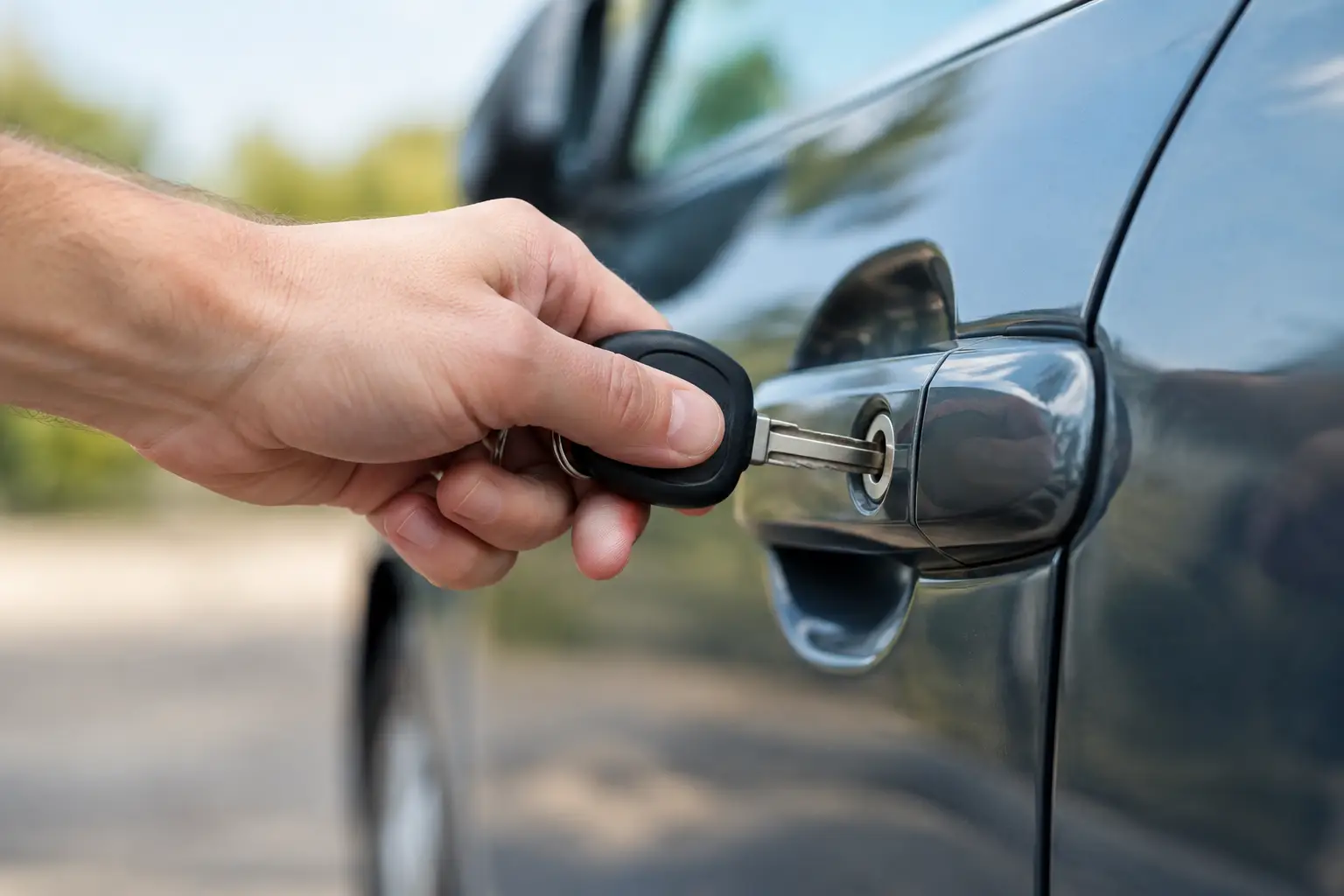
A key stuck in a car ignition can be caused by a steering wheel lock, a worn ignition cylinder, a weak key, or an issue with the vehicle’s shift interlock. On many automatic vehicles, the ignition key will not release unless the car is fully in Park.
First, make sure the vehicle is parked safely and the parking brake is set. Firmly press the brake, move the shifter into Park, and try turning the key to the full off position. If the steering wheel is locked, gently move it left and right while turning the key. Never force the key or use pliers. A broken key in an ignition can turn a straightforward service call into a more involved repair.
What to Do When Your Key Will Not Come Out
Start with the least aggressive option. Keep the key as straight as possible and use your fingers, not tools, to apply light, even pulling pressure. At the same time, gently move the key a fraction of an inch back and forth or up and down. Do not twist the key beyond its normal range.
If the lock feels dry or gritty, use a lock-specific dry lubricant, such as graphite or PTFE lock lubricant, according to the product directions. These products are designed for lock cylinders. Household oils, grease, and heavy sprays may seem helpful for a moment, but they can attract dirt and create a sticky buildup inside the lock over time.
For a door lock, relieve pressure on the latch by pushing, pulling, or slightly lifting the door while you return the key to the neutral position. For a vehicle, confirm the shifter is fully in Park and gently work the steering wheel if it is locked.
Cold weather can make a lock difficult to operate, while heat can worsen door alignment issues. Even so, do not apply an open flame, boiling water, or excessive heat to the key or lock. Those shortcuts can damage finishes, internal components, and surrounding materials.
What Not to Do
The fastest way to make a stuck key worse is to turn a small mechanical problem into a broken-key problem. Avoid pliers, vise grips, screwdrivers, coat hangers, glue, and improvised extraction tools. Pliers can bend or snap the exposed key. Glue can flow into the cylinder and permanently damage the lock.
Do not hit the key or lock with a hammer. Do not force the door, pry on the hardware, or keep trying a damaged spare key. If the key bends while it is trapped, it may break with little warning. Once the blade breaks inside the cylinder, the lock often needs professional extraction and may need repair or replacement.
When to Call a Locksmith for a Stuck Key
Call a locksmith right away if the key will not move with gentle effort, the key is bent or cracked, the lock is loose, or the door will not secure. The same applies if a key is stuck in your ignition, especially if you are stranded, cannot turn off the vehicle, or cannot remove the key without risking damage.
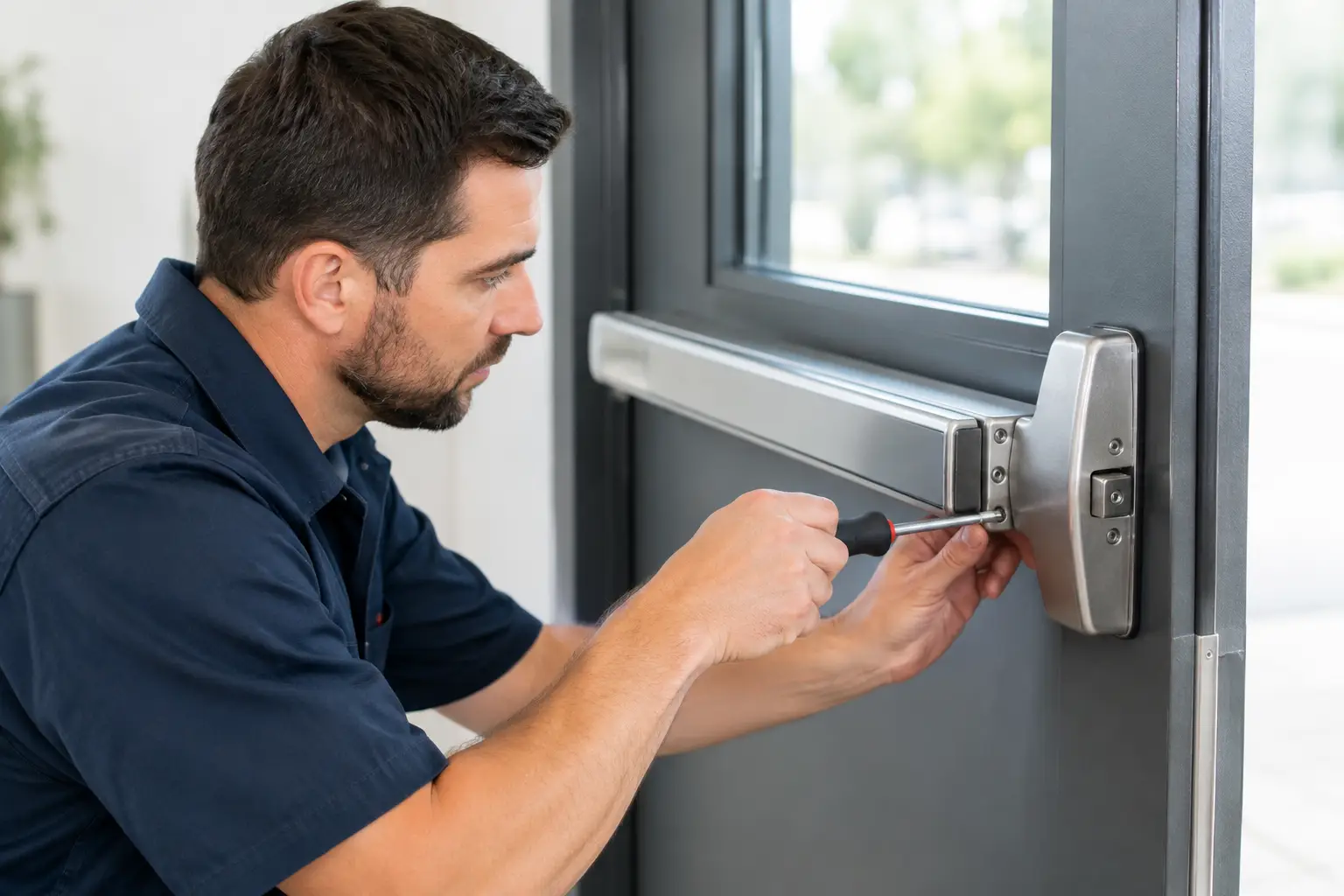
A qualified mobile locksmith can inspect the key and cylinder on-site, remove a stuck key without unnecessary damage, and determine whether the lock can be repaired, re-keyed, or should be replaced. For property managers and business owners, prompt repair also prevents a small hardware issue from becoming an employee lockout, tenant complaint, or security gap.
YES Locksmith provides mobile residential, commercial, and automotive locksmith service throughout Daly City, San Francisco, and nearby Bay Area communities. Our licensed, bonded, and insured technicians come to your location prepared to remove stuck keys, repair damaged locks, and restore secure access without unnecessary damage to your property.
A stuck key is often the lock’s early warning that something is worn, dirty, misaligned, or failing. Treat it carefully now, and you can protect the key, the lock, and your ability to get where you need to go.