
You are standing beside a locked vehicle, the keys are on the seat, and you need an answer that gets you moving without creating a more expensive problem. The question is usually locksmith or roadside assistance – but the right choice depends on your car, your location, and whether you need more than a simple door opening.
Both services can help in certain situations. However, a qualified automotive locksmith is often the more direct solution when keys are lost, damaged, locked inside, or no longer communicating with the vehicle. Roadside assistance can be helpful for basic lockouts, but its coverage and capabilities may be limited, especially with newer vehicles and electronic keys.
Locksmith or Roadside Assistance: What Is the Difference?
Roadside assistance is designed to handle a range of common vehicle interruptions. Depending on your plan, it may dispatch someone for a jump-start, flat tire, fuel delivery, towing, or basic vehicle entry. It can be a convenient benefit when the problem is straightforward and your membership covers the call.
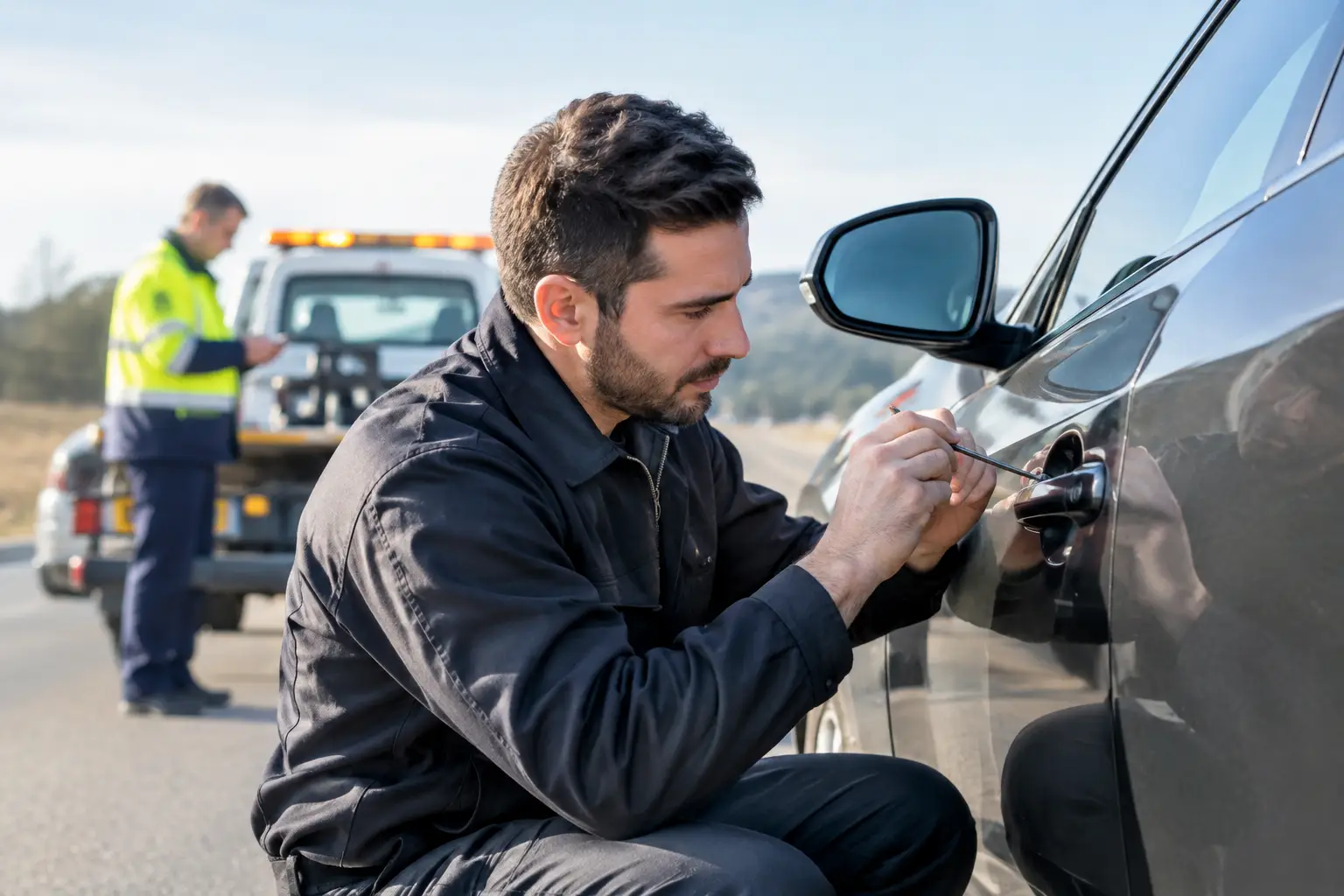
A locksmith focuses specifically on access, locks, keys, and vehicle security. Automotive locksmith technicians carry tools and equipment made for opening vehicles with minimal risk to the door, lock, weather stripping, or window mechanisms. They can also address the issue behind the lockout, not just get the door open.
That distinction matters when you have lost every key, broken a key in the ignition, need a transponder key programmed, or have a damaged door lock. Roadside assistance may get you a tow or attempt entry, while a locksmith may be able to restore access and create a working key on-site.
When Roadside Assistance Makes Sense
Roadside assistance can be a reasonable first call when you already have coverage, your vehicle is in a safe location, and you believe the keys are simply visible inside the car. Some plans include lockout service at no extra charge or up to a set dollar amount.
It is also useful when your lockout comes with another problem. If the car has a dead battery, a flat tire, or mechanical trouble that requires towing, one roadside dispatch may address several needs. Check your coverage before assuming every lockout is included. Plans often have service limits, wait times, exclusions, or restrictions on replacement keys and programming.
The trade-off is that a roadside provider may send a general service contractor rather than an automotive key specialist. If the technician cannot open the vehicle safely, cannot handle the key system, or cannot arrive within a reasonable time, you may still need a locksmith afterward.
When to Call an Automotive Locksmith
Call a locksmith when the lockout involves the key itself, the vehicle’s security system, or any concern about damage-free entry. This is especially true for late-model cars with electronic fobs, proximity keys, transponder chips, laser-cut keys, and push-button ignition systems.
A professional locksmith is the better fit if you lost your keys completely. Getting into the vehicle is only the first step. You may need a new key cut and programmed before you can drive away. In many cases, a mobile locksmith can perform that work where the vehicle is parked, saving you from arranging a tow to a dealership.
A locksmith is also the stronger choice when a key is bent, snapped, stuck in the ignition, or no longer turns the lock. Forcing a damaged key can harm the ignition cylinder or door lock and turn a manageable service call into a repair. A trained technician can assess the problem, remove a broken key when possible, and recommend the proper repair or replacement.
For Bay Area drivers, location can make the decision clearer. A lockout in a busy San Francisco street, a Daly City parking lot, a garage, or outside your home calls for a provider who can respond promptly and work carefully around your vehicle. YES Locksmith sends mobile technicians directly to customers for on-site automotive lock and key service.
Modern Vehicles Need the Right Equipment
Older vehicles often used simple mechanical keys and manual lock systems. Many current vehicles do not. Their keys may include chips that must be matched to the car, remote functions, immobilizer systems, and security features that make incorrect entry attempts risky.
Trying to pry open a door or use an online trick can damage weather seals, scratch paint, bend the door frame, or interfere with side airbags and wiring. Even a small gap at the top of a door can create wind noise and water leaks later. The fastest-looking solution is not always the least expensive one.
A properly equipped automotive locksmith uses vehicle-appropriate entry methods and verifies ownership before providing service. That protects you, your vehicle, and everyone else on the road.
Cost, Coverage, and Response Time
Price matters, but comparing only the initial service fee can be misleading. A roadside plan may cover a portion of a lockout, which can make it attractive. Yet if the provider cannot make a replacement key, program a fob, or resolve a damaged lock, the total cost can rise after a second call and additional delay.
A locksmith may charge for mobile service, vehicle entry, key cutting, programming, or parts depending on the job. The benefit is that the technician can often complete the needed work in one visit. Ask for clear pricing before service begins and explain your vehicle’s year, make, model, and the exact problem. Accurate details help the dispatcher send the right technician and equipment.
Response time also depends on traffic, weather, time of day, and your location. During an emergency, tell the provider whether the keys are locked inside, missing, broken, or in the trunk. Mention if a child, pet, vulnerable passenger, or medication is inside the vehicle. Those details affect the urgency of the response.
What to Do While You Wait
Stay somewhere visible and safe, particularly if you are parked near traffic, in an unfamiliar area, or after dark. Do not leave a child or pet inside a locked vehicle. If anyone is in immediate danger from heat, cold, medical issues, or traffic exposure, call 911 first.
Have your photo ID and vehicle registration available if possible. A reputable locksmith or roadside provider should confirm that you are authorized to access the vehicle. If your registration is inside the locked car, explain that when you call. There are often other ways to verify ownership, but the technician needs to know before arriving.
Avoid forcing the door, breaking a window, or repeatedly pressing a failing key fob. These actions can add unnecessary damage or drain the fob battery without solving the underlying issue. If you have a spare key, arrange for someone to bring it only if doing so is faster and safer than waiting for professional help.
Choose the Service That Solves the Whole Problem
If your roadside plan can safely handle a simple lockout quickly, it may be the practical choice. If the situation involves a lost key, electronic fob, immobilizer, broken key, damaged lock, or urgent need for a working replacement, call an automotive locksmith who can handle the full repair on-site.
The goal is not simply to get a door open. It is to get you back into your vehicle, protect it from avoidable damage, and make sure you can drive away with confidence.