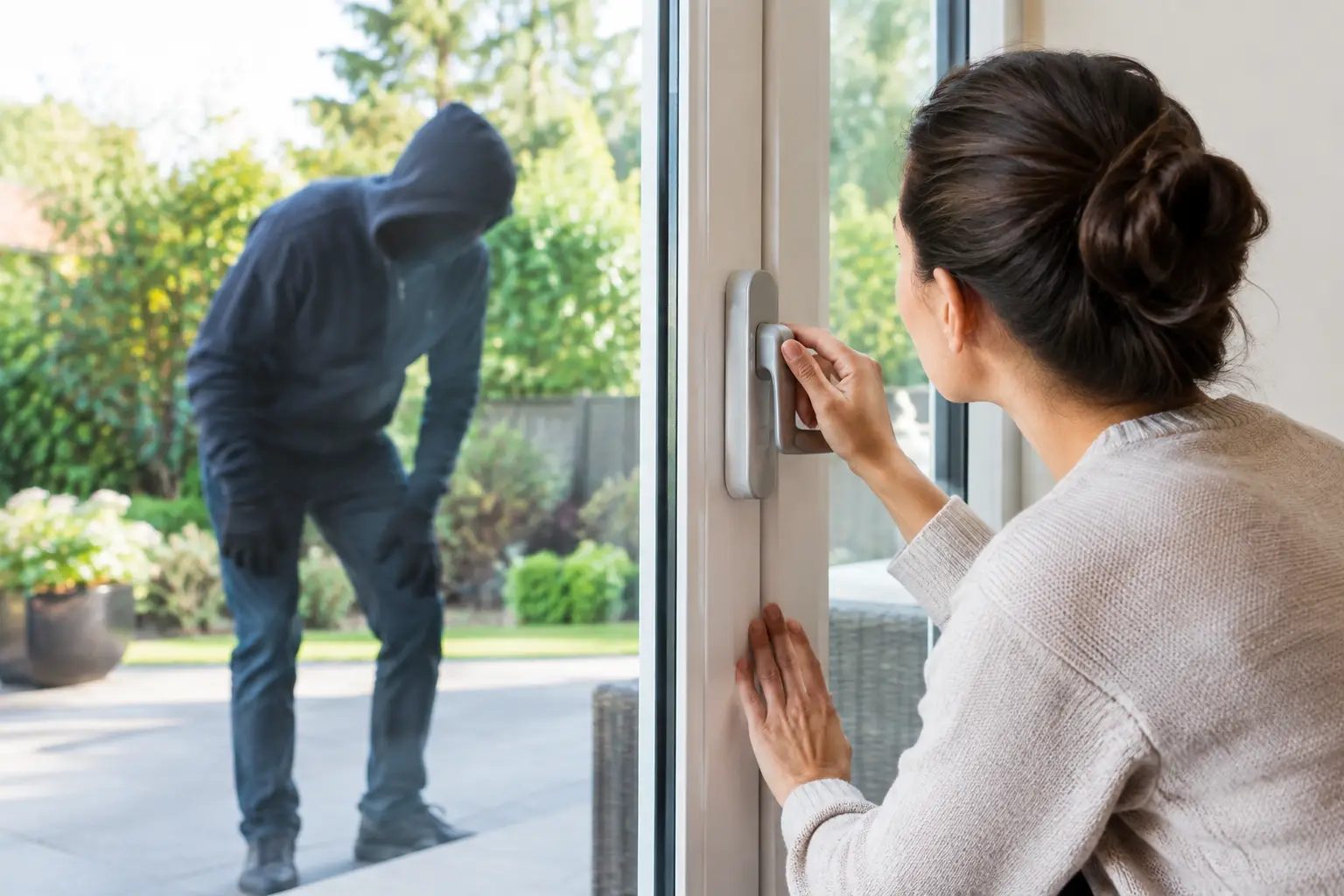

A patio door can be the most inviting entrance to your home – and one of the most exposed. It often sits behind a fence, beside a dark side yard, or out of sight from the street. Knowing how to secure patio doors means looking beyond the factory latch and addressing the glass, frame, track, and surrounding access points together.
A door that feels loose, slides too easily, will not lock firmly, or has a damaged frame deserves attention now. Small weaknesses are easier and less expensive to correct before they become an emergency call after a break-in.
Start With the Type of Patio Door You Have
Sliding glass doors need different protection than French doors or hinged patio doors. A sliding door typically relies on a latch that locks into the frame, while a hinged door relies on a deadbolt, hinges, and a strike plate. In either case, the security is only as strong as the weakest part of the installation.
Older sliding doors are especially worth inspecting. Rollers can wear down, doors can shift out of alignment, and latches may stop engaging fully even when they appear locked. If you can lift the panel noticeably, shake it in the frame, or open it with a hard pull while it is locked, do not rely on that hardware alone.
For hinged patio doors, check whether the door closes tightly and whether the deadbolt reaches solid material in the frame. A lock may be working perfectly while a weak strike plate or deteriorated wood allows the frame to fail under force.
Upgrade the Lock, Not Just the Handle
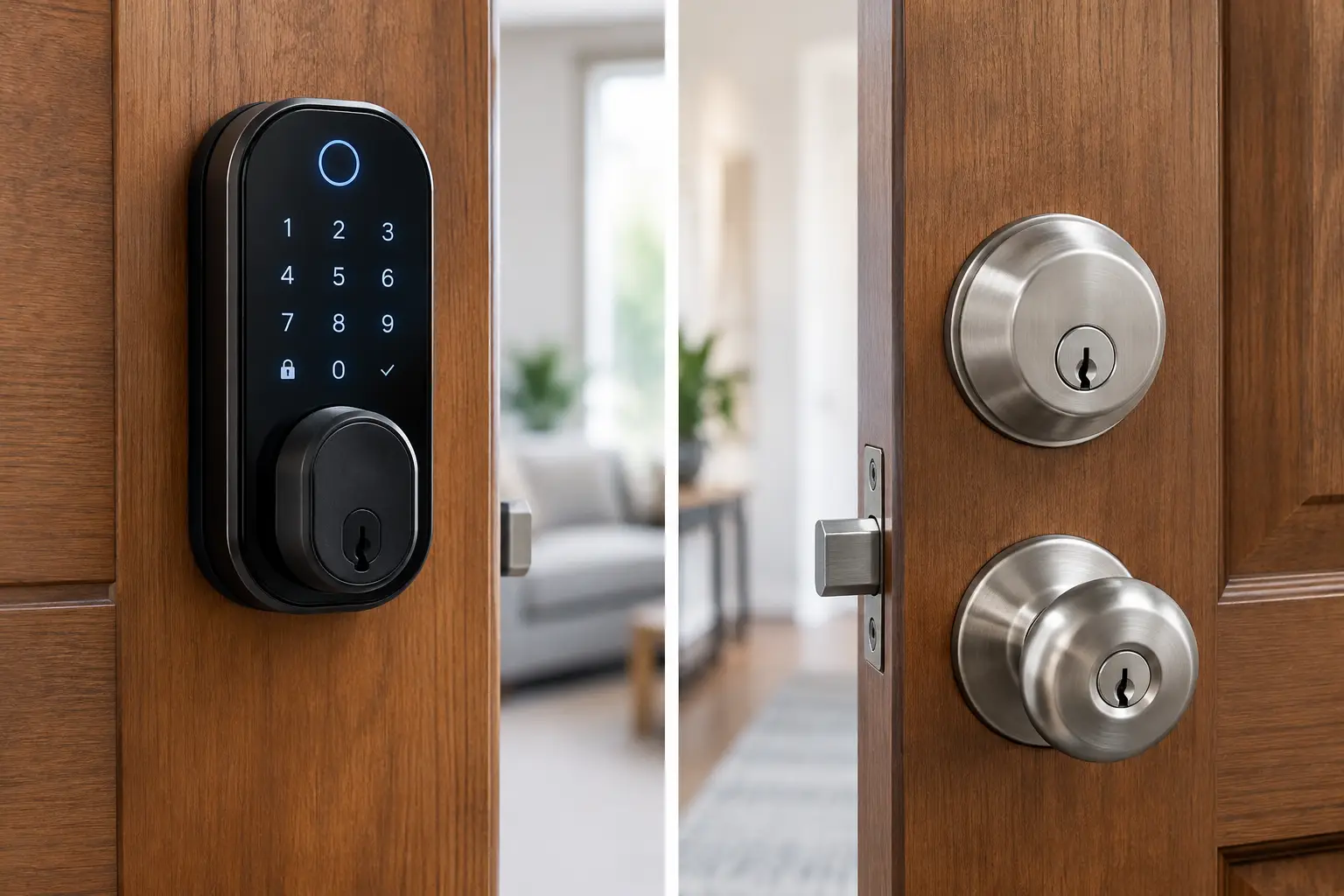
Many patio doors come with basic latch hardware designed for everyday closing, not serious forced-entry resistance. A lock upgrade is often the first practical improvement, particularly for doors leading to a backyard, balcony, or ground-floor patio.
For a sliding door, consider an auxiliary lock made specifically for sliding glass doors. These may mount to the frame or track and prevent the panel from moving when engaged. The right option depends on your door’s material, clearance, and how often the door is used. A poorly fitted lock can interfere with operation or damage the frame, so accurate installation matters.
For a hinged patio door, a quality deadbolt is usually the standard upgrade. Choose hardware that fits the door thickness and is secured with long screws that reach the framing behind the trim. If the door has glass near the lock, a double-cylinder deadbolt may be considered in some situations because it cannot be turned from the inside after breaking nearby glass. However, it requires a key to exit, which can create a fire-safety concern. It should only be used where permitted and where everyone in the home can exit quickly and safely.
If you have recently moved, lost keys, ended a tenancy, or had contractors with access to the home, rekeying or replacing the patio-door lock is a sensible security step. You should know exactly who can enter your property.
Block the Track on Sliding Patio Doors
A security bar or properly sized wood dowel placed in the bottom track is a simple secondary barrier. It stops the door from sliding open even if the primary latch is bypassed or fails. This is one of the most affordable ways to improve a sliding door, and it can be very effective when cut and positioned correctly.
The trade-off is convenience. You must remove the bar before opening the door, and an unsecured loose dowel can be misplaced. For households that use the patio door constantly, a mounted security bar may be a better long-term choice. It folds up or swings aside when you need to use the door and locks into position when you do not.
Do not force a bar into a track that is already bent or damaged. It can make the door harder to operate and hide a larger alignment issue that needs repair.
Prevent the Door From Being Lifted Out
Some sliding doors can be lifted high enough in their tracks to be removed, especially when the rollers are worn or the top channel has too much clearance. Anti-lift devices, such as correctly placed screws in the upper track, can limit that upward movement.
This is a detail that should be measured carefully. A screw installed too low can scrape the door, while one installed too high does nothing. A professional inspection can confirm whether your door has an anti-lift feature already, whether it is functioning, and what modification fits the existing hardware.
Reinforce the Frame and Strike Area
Locks resist entry only when the surrounding frame can hold them. On hinged doors, replace thin or short strike-plate screws with longer screws that anchor into the wall framing. A reinforced strike plate can distribute force across a larger area than a small factory plate.
Look closely at the wood or composite material around the lock. Cracks, water damage, loose trim, soft wood, and gaps around the jamb all reduce resistance. Coastal Bay Area moisture, sun exposure, and seasonal movement can slowly affect exterior doors, particularly older installations. Repairing the frame may be more valuable than buying a more expensive lock for damaged material.
Sliding-door frames also need attention. Check for loose fasteners, bent tracks, worn rollers, and latch receivers that no longer line up. When a sliding door does not close squarely, homeowners sometimes start forcing the latch. That can damage the lock further and leave the door only partly secured.
Treat the Glass as Part of the Security Plan
Patio doors provide broad glass visibility, which is useful for light but creates an obvious concern. Security film can help hold shattered glass together and make forced entry slower and noisier. It is not the same as impact-rated glass, and it is not a replacement for a good lock, but it can add valuable delay.
Window coverings also matter. Curtains, blinds, or shades keep valuables and interior access patterns less visible after dark. Avoid leaving car keys, wallets, electronics, or tools near the patio door where they can be seen from outside. If a burglar can see a quick reward, they have more reason to target the opening.
Exterior lighting adds another layer. Motion-activated lights near the patio, side gate, and rear access path can discourage someone from lingering at the door. A visible camera or alarm contact may also improve deterrence, but these devices should support physical security rather than replace it. A notification after entry is less useful than hardware that makes entry difficult in the first place.
Secure the Area Around the Door
The path to a patio door matters as much as the door itself. Trim back dense shrubs that create hiding places. Repair broken fence gates and make sure side gates latch securely. Store ladders, heavy tools, and outdoor furniture in ways that do not give someone an easy tool or climbing aid near the home.
If you have a pet door, check whether it provides access to the patio-door lock or could allow an intruder to reach inside. A door alarm contact can also be useful for families, rental properties, and homes where the patio door is frequently used. It gives you immediate notice when the door opens, whether that is expected or not.
For landlords and property managers, patio-door security should be part of turnover inspections. Test the lock, inspect the track, verify keys are accounted for, and document any damaged glass or frame conditions before a new tenant moves in. Waiting until a resident reports a lockout or attempted break-in creates unnecessary risk.
When to Call a Locksmith for Patio Door Security
Call for professional help if the patio-door lock is broken, the key turns without locking, the sliding panel will not align, the door has been forced, or you are unsure whether the hardware is actually securing the opening. Emergency repairs are especially urgent after an attempted burglary, lost keys, or a lock failure that leaves the home exposed.
A qualified locksmith can assess the lock and door condition on-site, recommend compatible hardware, repair or replace damaged components, and rekey eligible locks when access control has changed. The goal is not to add random gadgets. It is to build a setup that works reliably every day and does not create damage, inconvenience, or an unsafe exit route.
For homeowners and property managers in Daly City, San Francisco, and nearby Bay Area communities, YES Locksmith can provide mobile patio-door lock repair, replacement, rekeying, and security guidance at your property. Licensed, bonded, and insured service matters when the condition of your home’s entry points is on the line.
A secure patio door should close smoothly, lock positively, resist lifting and sliding, and leave you confident when you turn off the lights at night. If yours does not, treat that uncertainty as the reason to act.