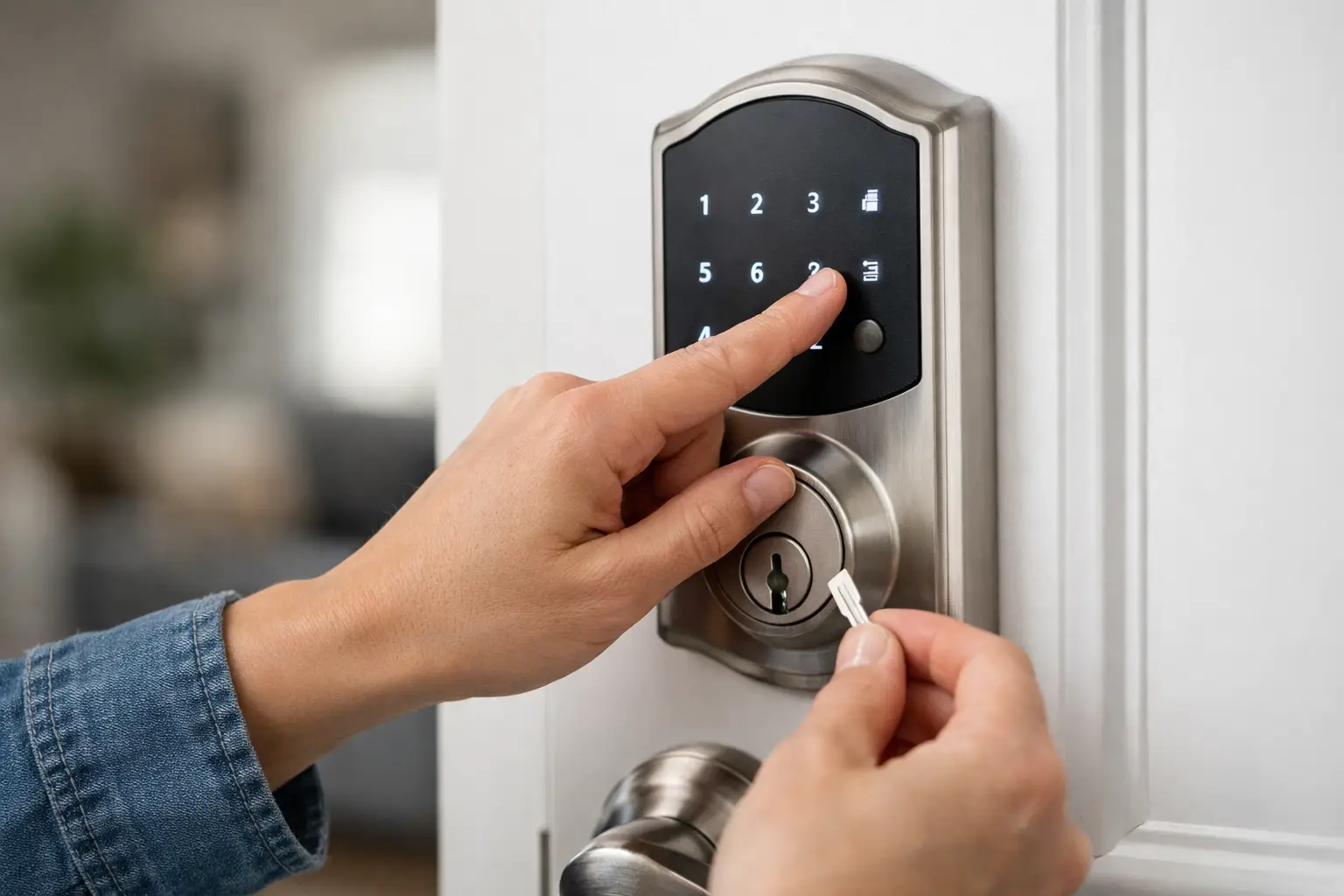
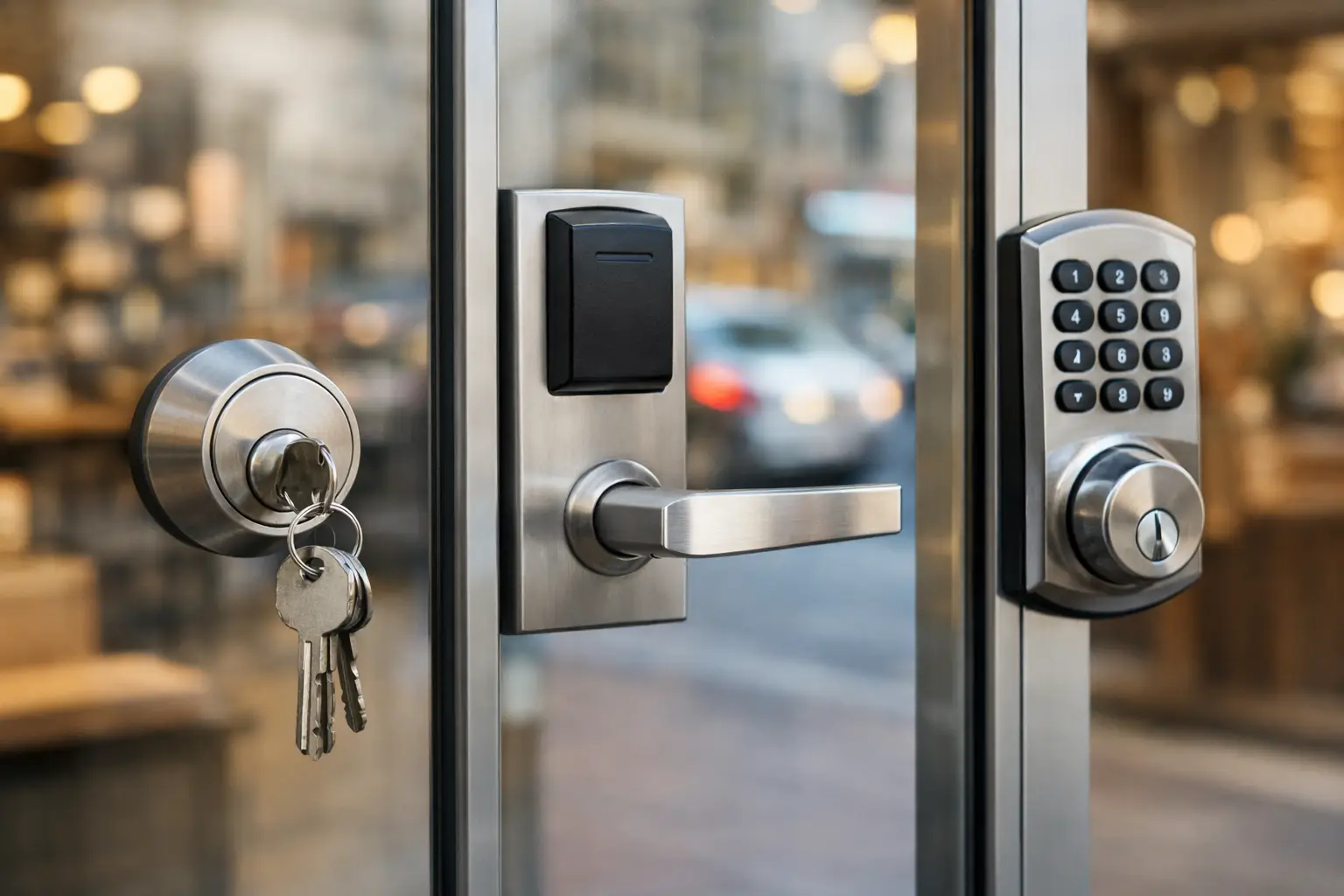
A previous owner may have turned in their keys, but you cannot know how many copies were made over the years. That is why learning how to rekey house locks matters after moving, losing a key, ending a roommate arrangement, or changing tenants. Rekeying changes which key operates an existing lock, giving you control without automatically paying to replace every lock on the door.
For many homes, rekeying is a smart, cost-conscious security step. But it is not a universal fix. The lock must be compatible, in working condition, and secure enough to keep. If the hardware is worn, damaged, or easy to bypass, replacement may be the safer decision.
What Rekeying a House Lock Actually Does
Most standard residential keyed locks use a cylinder filled with small pins. The cuts on your key line up those pins at the correct height so the cylinder can turn. During a rekey, the locksmith or homeowner replaces those small pin components so the old key no longer aligns them. A new key is then cut to match the revised pin arrangement.
The exterior lock hardware usually stays in place. Your knob, lever, deadbolt, and trim can remain on the door, while the old keys stop working.
That is different from replacing a lock. Replacement removes the existing hardware and installs new hardware, usually because the current lock is broken, outdated, incompatible, or not strong enough for the door’s security needs. Rekeying is often less disruptive, but it cannot repair a failing deadbolt or turn a low-quality lock into a high-security one.
When You Should Rekey Instead of Replace
Rekeying is a strong option when the existing locks are in good shape and you simply need to control who has a working key. Common situations include moving into a home, recovering from a lost or stolen key, buying a property with unknown key history, or changing access after a roommate, contractor, cleaner, or tenant leaves.
It can also help simplify your key ring. If compatible locks are rekeyed to the same key pattern, one key may operate the front, back, side, and garage-entry doors. That convenience only makes sense when every lock involved is compatible and functioning correctly.
Replacement is usually the better move if the lock sticks, has visible corrosion, was damaged during a break-in, has a loose cylinder, or does not latch and deadbolt cleanly. Consider replacing hardware if you want a different lock style, electronic access, stronger deadbolt protection, or a higher-security key system. A lock that is difficult to operate can become an emergency lockout later, especially when a door shifts with Bay Area weather or age.
How to Rekey House Locks: Check the Lock First
Before buying a rekey kit or removing anything from the door, identify the lock brand and type. Rekey kits are typically brand-specific. A kit intended for one manufacturer may not fit another, even when the locks look similar from the outside.
Look for a brand name on the face of the deadbolt, latch plate, keyway, or interior hardware. Then test the lock with the current key. The key should insert fully, turn smoothly, throw the bolt completely, and retract without force. If you have to lift the door, push hard, jiggle the key, or force the thumb turn, solve that mechanical issue before rekeying.
You should also confirm that you have a working original key. Many pin-tumbler locks must be turned to the correct position before the cylinder can be removed. Without a working key, the job changes from a straightforward rekey to a lockout or lock service call.
The Basic Rekeying Process
A homeowner-friendly kit generally includes new keys, a key decoder, replacement pins, a follower tool, and a small tool for handling pins. You may also need a screwdriver, a clean work surface, and a container that prevents tiny parts from rolling away. Keep children and pets away from the work area. A single misplaced pin can stop the lock from working properly.
Remove the cylinder carefully
Start with the door open. This is not optional. If the lock is reassembled incorrectly while the door is closed, you could create a lockout or leave the door unsecured.
Remove the interior lock hardware according to its design, then access the cylinder. On a deadbolt, this often involves removing mounting screws and separating the interior and exterior portions. Avoid forcing parts apart. Decorative covers, retaining clips, and screws can be easy to bend or lose.
Use the old key to prepare the plug
Insert the existing working key and turn it as directed by the kit instructions. The cylinder plug must be held in the correct position before it can be pushed out. A follower tool supports the upper pins and springs inside the housing while the plug is removed.
This is the point where DIY rekeying often goes wrong. If the follower slips or the plug is pulled out without control, top pins and springs can fall out. The lock may still be repairable, but reassembling it accurately takes patience and the right parts.
Match new pins to the new key
The new key’s cuts determine which bottom pins belong in each chamber of the plug. Use the kit’s decoder or chart, and work one chamber at a time. Each installed pin should sit flush with the plug surface when the new key is inserted. A pin that sits too high or too low means the lock will not rotate correctly.
Do not mix old and new pins without a clear pinning chart. Pins may look nearly identical, but small differences in length matter. Place the old parts aside in order rather than scattering them across the table.
Reassemble and test before closing the door
Return the plug into the cylinder with the follower supporting the upper pin chambers. Reinstall the cylinder and lock hardware, tightening screws securely without stripping them. Then test the new key several times with the door still open.
The key should enter and turn smoothly in both directions. The bolt should extend and retract completely. Test from both sides of the door if the lock is designed for it. Only close the door after several successful tests. Finally, make sure every old key has been tested and no longer works.
Common DIY Rekeying Problems
A rekey kit can be practical for a compatible, working lock, but small errors have real consequences. The most common issue is using the wrong pins or placing pins in the wrong order. Another is losing springs or top pins while removing the plug. Some homeowners also reassemble the lock with a key that turns but does not fully operate the bolt under normal door pressure.
Electronic locks, smart locks, restricted keyways, antique hardware, and certain high-security cylinders may require specialized tools or manufacturer-specific procedures. A deadbolt that uses a side bar, unusual keyway, or security pins is not a good first DIY project. Nor is a lock on the only entrance to your home when you need reliable access that same day.
There is also a security concern: do not leave partially disassembled locks unattended. If you cannot finish the job, reinstall the working hardware or arrange prompt professional service so the door is not left vulnerable.
When to Call a Professional Locksmith
Call a locksmith when you do not have a working key, the cylinder is damaged, the door does not align, or the lock is not clearly compatible with a rekey kit. Professional service is also the better choice for multiple doors, rental turnover, master-key systems, and homes where every exterior entry should work on one planned key system.
An experienced mobile locksmith can rekey compatible locks on-site, identify hardware that should be replaced, and test the door as a complete system. That includes checking the strike plate, latch alignment, deadbolt throw, and key operation – details that are easy to miss when the focus is only on the cylinder.
For homeowners in Daly City, San Francisco, and nearby Bay Area communities, YES Locksmith provides mobile residential rekeying and lock service with a focus on damage-free work and dependable access. A licensed, bonded, and insured technician can help you regain control of your keys without replacing sound hardware unnecessarily.
A new key is only useful if the lock, door, and strike all work together. Whether you choose a compatible DIY kit or professional rekeying, test every entry before the day is over and store spare keys with care. That small check can prevent a late-night lockout and give your household a more secure start.