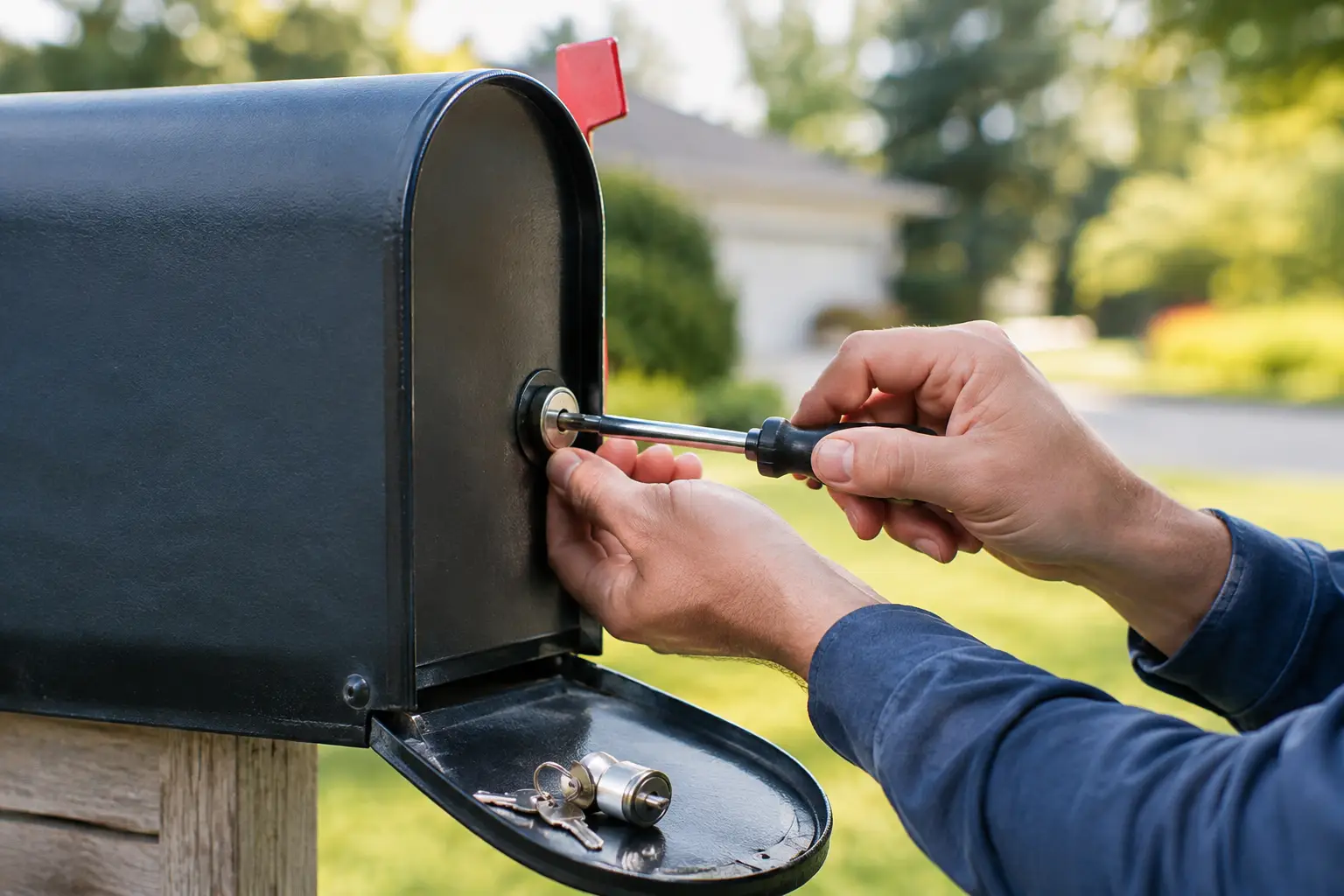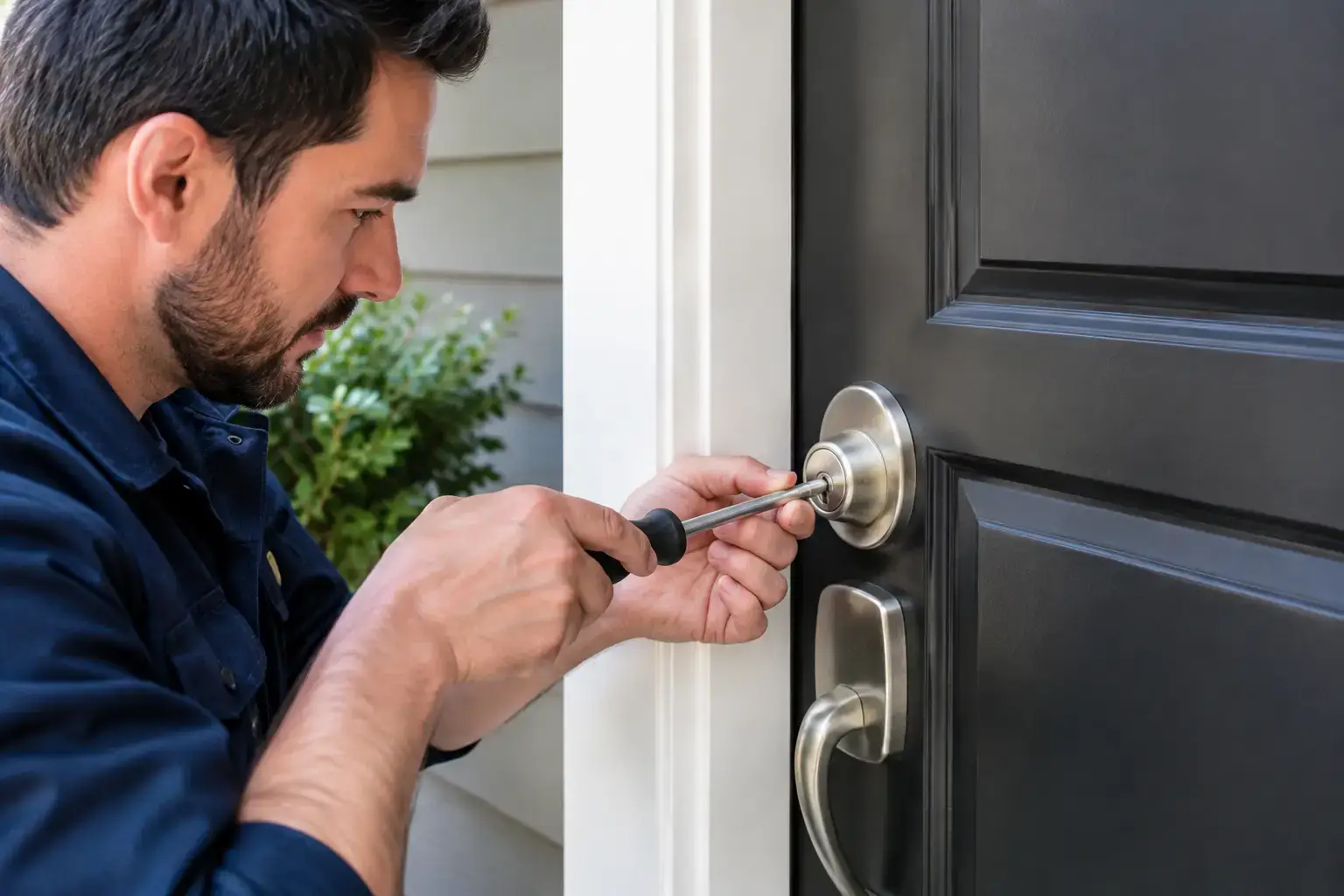

A rent dispute, a missing tenant, or a damaged lock can put a property owner under pressure. But can landlords change locks when a tenant is still living in the unit? In California, usually not without the tenant’s consent or a completed legal process. Changing locks to force a tenant out can create a costly unlawful lockout claim, even when rent is overdue or the lease has been violated.
For landlords and property managers in San Francisco, Daly City, and nearby Bay Area communities, the safest move is to separate an urgent security problem from a tenancy problem. A locksmith can restore security quickly. Only the proper legal process can end a tenant’s right to occupy a home.
Can Landlords Change Locks During a Tenancy?
A landlord generally cannot change the locks while a tenant has the legal right to possess the rental unit. That includes situations where the tenant is behind on rent, has violated a lease term, is difficult to contact, or has been served with a notice to pay rent or quit.
California law prohibits a landlord from using a lock change, utility shutoff, removal of doors or windows, or similar action to make a tenant leave without a court process. This is commonly called a self-help eviction. It is not a shortcut around an eviction case, and it can expose the landlord to actual damages, statutory penalties, attorney fees, and additional legal complications.
The same principle applies if the landlord keeps the tenant’s belongings inside, changes codes on a smart lock, disables a fob, or instructs a building manager not to allow the tenant inside. If the purpose or effect is to deny a lawful tenant access to the home, it can be treated as an illegal lockout.
When a Landlord Can Legally Change Locks
There are valid reasons to change or rekey locks. The key question is whether the tenant still has a legal right to possession.
After a tenant has fully moved out
Once a tenant has surrendered the unit and returned possession, a landlord can change the locks before a new tenant moves in. Rekeying between tenancies is a smart security practice, especially when keys may have been copied, shared with guests, or retained by previous occupants.
Before scheduling the work, make sure the move-out is clear. A returned key alone may not settle every question, and personal property left behind can trigger separate legal duties. Document the surrender of the unit, inspect the property, and follow the correct process for any belongings that remain.
After a lawful eviction is completed
If a tenant does not leave after an eviction case, the landlord cannot personally remove them or change the locks. In California, the sheriff carries out the eviction after the court issues the required writ of possession. Once the sheriff has restored possession to the landlord, changing or rekeying the locks is appropriate and often necessary.
Do not change locks after serving a notice, after filing an unlawful detainer case, or even after receiving a favorable court judgment if the tenant has not yet been legally removed. The final step matters.
When the tenant requests or agrees to the change
A tenant may report lost keys, a breakup, a stalking concern, a damaged deadbolt, or a lock that no longer works. In these cases, a landlord can arrange a lock change or rekeying with the tenant’s permission. The tenant must receive working keys or an active access code immediately after the work is complete.
Written confirmation is wise. It avoids confusion about why access was changed, who received keys, and whether the work was requested as a repair or security upgrade.
During an emergency repair or security issue
A forced entry, broken lock, attempted burglary, fire damage, or malfunctioning deadbolt may require immediate locksmith service. The landlord can take reasonable action to secure the property and protect the tenant. That does not mean the tenant can be locked out afterward.
For example, if a front-door lock is damaged during a break-in, the right response is to repair or replace it promptly and provide the tenant with a new key. Security repair should restore safe access, not become a way to pressure the tenant to leave.
What About an Abandoned Rental?
An apparently empty unit is one of the riskiest situations for a landlord. Mail may pile up, lights may be off, and the tenant may not answer calls. None of those facts automatically mean the tenancy is over.
California has a specific process for dealing with a suspected abandonment. It involves more than guessing that the tenant has left, and it may require written notice before the landlord retakes possession. A tenant could be away for work, medical care, travel, military service, or a family emergency while still intending to return.
If rent is unpaid and the unit appears vacant, pause before rekeying. Review the lease, document what you observe, and get qualified legal guidance on the abandonment process. A locksmith can secure a property when authorized, but should not be asked to decide whether a tenancy has ended.
Notice and Entry Rules Still Apply
A landlord may need access to make repairs, show the unit, inspect damage, or complete a requested lock service. In most non-emergency situations, California generally requires reasonable written notice before entering a tenant’s home, commonly at least 24 hours.
Changing a lock is more significant than a routine inspection because it affects the tenant’s ability to enter their home. Coordinate the appointment with the tenant whenever possible. Explain the reason for the work, identify who will be arriving, and confirm how new keys or access codes will be delivered.
In San Francisco and other Bay Area jurisdictions, local tenant protections can add requirements beyond statewide rules. Property owners should follow both California law and the rules that apply where the rental is located.
A Safer Process for Landlords and Property Managers
When a lock issue comes up, start by identifying the occupancy status. Is the unit vacant and surrendered, occupied by a current tenant, or under a completed sheriff-managed eviction? This answer determines what you can safely authorize.
Next, document the reason for the lock work. Keep copies of a tenant’s repair request, photos of a damaged lock, move-out records, or paperwork showing possession was restored through the legal process. Clear records protect everyone if questions arise later.
Then use a qualified locksmith who can complete the work without damaging the door, frame, or existing hardware. Poorly drilled locks, mismatched cylinders, and improvised repairs can create an expensive security problem. A professional mobile locksmith can assess the hardware on-site, rekey compatible locks when appropriate, replace damaged components, and make sure authorized occupants receive working access.
What Tenants Should Do If Locks Are Changed
If you are a tenant and cannot enter your home because the locks, codes, or building access have changed, document what happened right away. Save messages from the landlord or manager, take photos, and keep records of hotel costs, missed work, or property you cannot access.
Contact the landlord in writing and ask for immediate restoration of access. If you believe the lock change was used to remove you without a court-ordered eviction, speak with a tenant-rights organization or attorney promptly. If there is an immediate safety issue, contact local law enforcement.
A tenant should not force entry, damage the door, or retaliate by changing locks without understanding their legal obligations. The goal is to restore safe access and preserve evidence, not create another dispute.
A lock problem deserves a fast response, but speed should never replace the right process. When a rental property’s security is compromised, YES Locksmith can provide professional on-site lock repair, rekeying, and replacement work while helping property owners restore secure access without unnecessary damage.