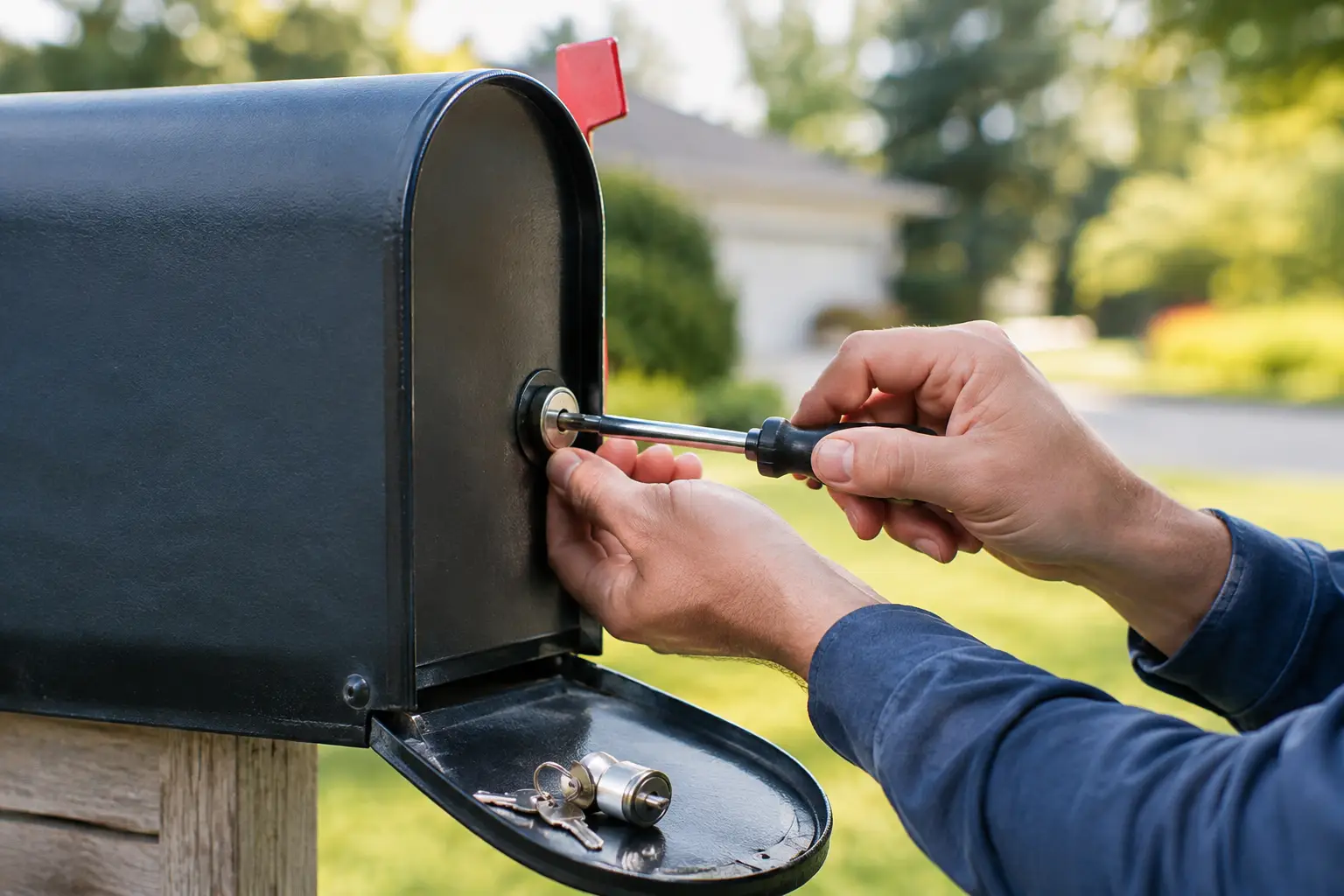

A front door lock rarely fails at a convenient time. It sticks when you are carrying groceries, breaks after a long workday, or leaves a tenant, employee, or family member unable to secure the property. Knowing the five signs locks need replacement helps you act before a worn or compromised lock becomes a lockout, a damaged door, or a security risk.
Not every problem calls for a full replacement. A loose screw or misaligned strike plate can often be repaired, while a key that is unaccounted for may call for rekeying. But when the lock itself is worn, damaged, outdated, or no longer trustworthy, replacement is the safer decision. Here is what Bay Area property owners should watch for.
Five Signs Locks Need Replacement
1. The key sticks, turns roughly, or will not come out
A lock should operate with a smooth, deliberate turn. If you need to jiggle the key, push the door hard, pull the key back slightly, or use excessive force to turn it, something is wrong. The cause may be internal wear in the cylinder, damaged pins, corrosion, debris, or a key that has been copied too many times from a worn original.
Do not force the key. A key that snaps off in the cylinder turns a manageable service call into an urgent access problem. Lubricant can sometimes improve a dry lock temporarily, but it will not restore worn internal components. If the same issue keeps returning, or it affects more than one key, the lock should be inspected for replacement.
It does depend on the source of the problem. If the door has sagged and the latch is binding against the strike plate, a locksmith may be able to adjust the hardware instead. The key distinction is whether the lock mechanism itself is failing. A qualified technician can determine that on-site without damaging the door or existing hardware.
2. The lock has visible damage or signs of forced entry
Bent hardware, a cracked cylinder, gouges around the keyway, a loose deadbolt, or a latch that no longer sits securely are all serious warnings. Even if the key still turns, physical damage can weaken the lock’s ability to protect the door.
This matters after a break-in attempt, a kicked-in door, vandalism, or an emergency entry where the lock was drilled or forced open. Reusing visibly compromised hardware creates a false sense of security. The lock may appear functional but fail under pressure or be easier to bypass.
Check the area around the lock as well. A split doorjamb, loose strike plate, short screws, or damaged frame can reduce the value of a new deadbolt. In many cases, the right solution combines lock replacement with reinforcement of the strike area and alignment of the door. Security depends on the whole opening, not just the lock on its face.
For a business, do not wait until closing time to address a damaged exterior lock. A storefront, office, warehouse, or gate with compromised access control can put inventory, equipment, staff, and confidential information at risk.
3. The lock is loose, misaligned, or unreliable
A deadbolt that moves when you touch it, a knob that wobbles, or a latch that will not fully extend deserves attention. Loose hardware can sometimes be tightened, but repeated looseness often means stripped mounting points, internal breakage, or a door that is no longer aligned correctly.
You may notice the problem when the door only locks if you lift it, slam it, or hold it in a particular position. Changes in temperature and moisture can cause minor movement in doors and frames, especially in older homes. Still, a lock should not require a special routine to secure the property.
An unreliable lock is especially risky on rental units and commercial doors with frequent daily use. Every forced turn and hard close adds wear. Replacing a failing lock early is usually less disruptive than arranging emergency service after employees cannot open the business or a resident cannot lock their door.
A professional locksmith should inspect the door, hinges, latch, deadbolt, strike plate, and frame before recommending a replacement. That prevents installing new hardware onto an uncorrected alignment issue that will wear it out prematurely.
4. Keys are lost, stolen, or in the hands of former occupants
A lock can be in perfect mechanical condition and still need attention because control of the keys is gone. If keys were lost near the property, stolen with identifying information, kept by a former roommate, employee, contractor, tenant, or vendor, you should treat access as compromised.
In this situation, rekeying may be the most efficient choice. Rekeying changes the internal pins so the old key will no longer operate the lock while allowing you to keep compatible hardware. It is often practical when the lock is in good shape and you want new keys quickly.
Replacement is the better option when the existing locks are worn, low-quality, mismatched, or unable to support the access plan you need. For example, a business may need upgraded commercial-grade hardware, restricted key control, or a system that makes it easier to manage employee turnover. A rental property may benefit from durable locks that can be rekeyed between residents.
Do not assume a key was returned just because someone says it was. Keys are easy to copy, and a missing spare is enough reason to change access. The cost of restoring control is small compared with the uncertainty of who may still have a working key.
5. The lock is old, outdated, or no longer matches your security needs
Age alone does not always mean a lock has failed. A well-maintained, quality deadbolt can last for years. But older hardware may lack the strength, key control, reliability, or compatibility needed for the property today.
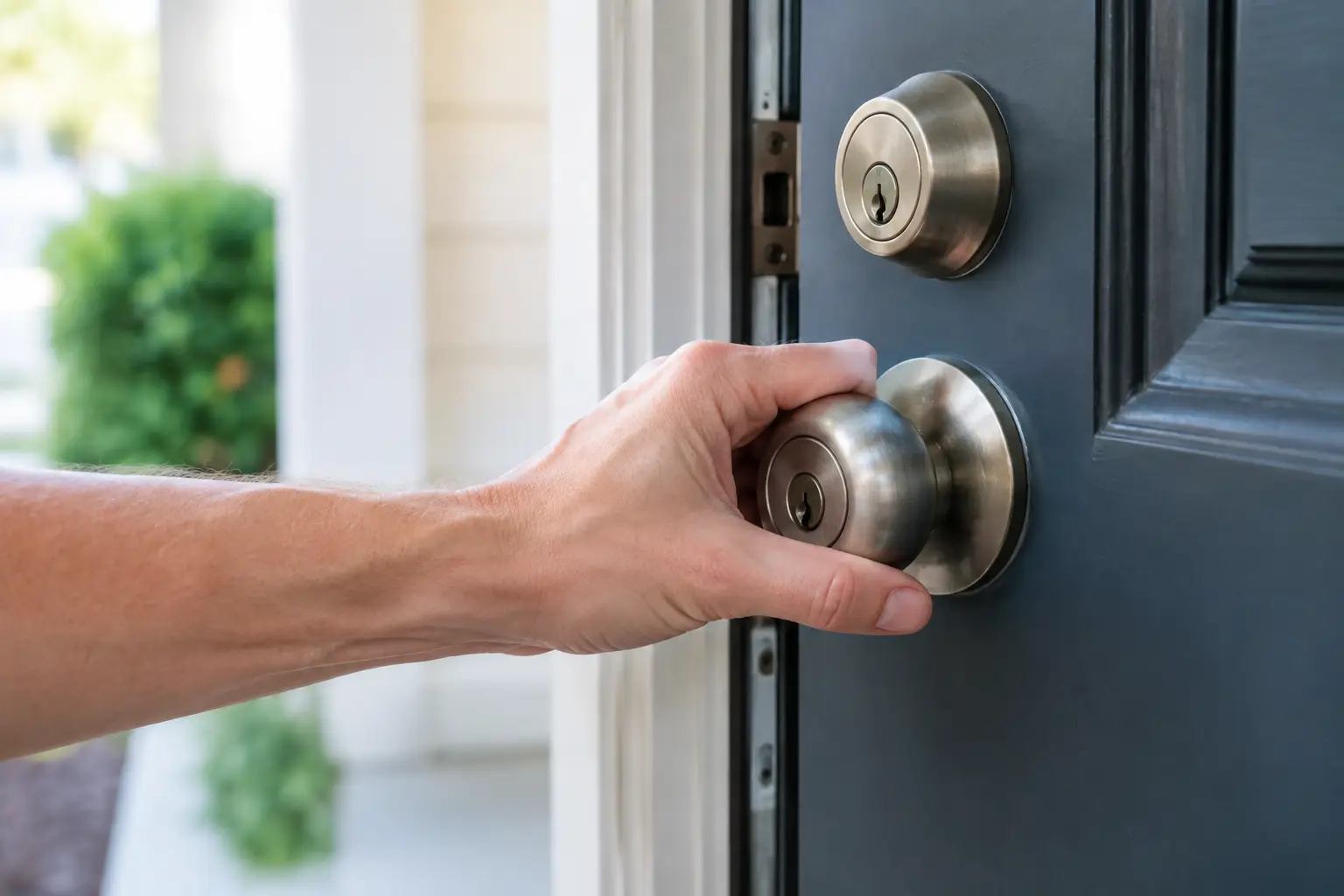
Common examples include basic knob locks on exterior doors, old deadbolts with worn cylinders, inexpensive hardware on a heavily used business entrance, or locks that were installed before a remodel changed how the space is used. A growing family, a new tenant arrangement, a home office, expensive equipment, or increased foot traffic can all justify a security upgrade.
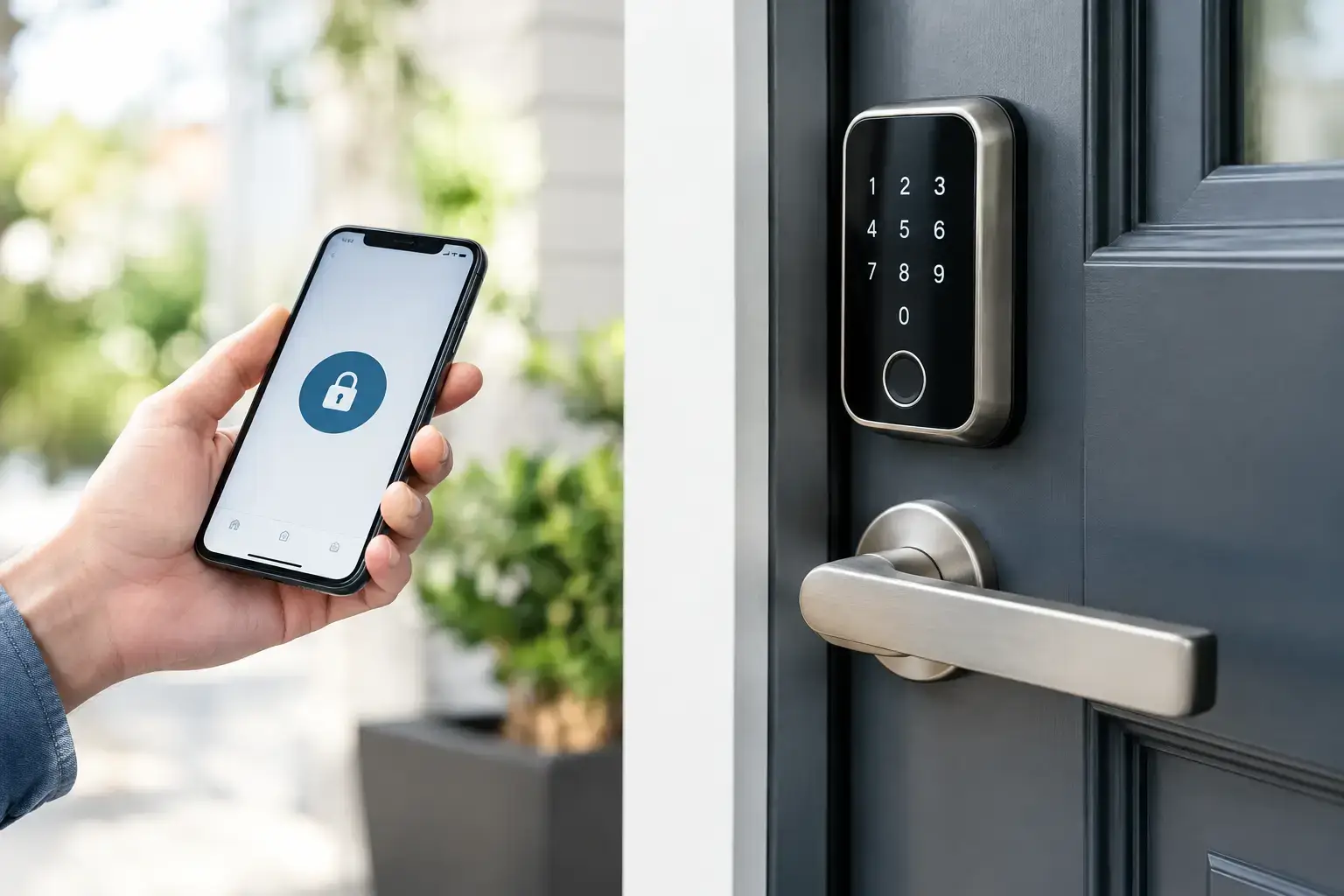
The right replacement is not automatically the most expensive lock. It should match the door, the location, the traffic level, and the actual risk. A side gate, apartment entry, office suite, storage room, and front door do not all need the same hardware. A locksmith can explain the trade-offs between standard deadbolts, high-security cylinders, commercial lever hardware, keypad options, and master-key systems without pushing unnecessary work.
When Repair, Rekeying, or Replacement Makes Sense
The practical question is not simply whether a lock has a problem. It is whether the lock can remain dependable after service. Repair may make sense when the issue is limited to alignment, mounting hardware, or a minor component. Rekeying works well when keys are compromised but the lock is mechanically sound. Replacement is the right move when the cylinder is worn, the hardware is damaged, the lock has failed repeatedly, or the security level no longer fits the property.
For vehicle locks, the decision can be different. A worn ignition, damaged door lock, or broken key may require specialized automotive locksmith service and programming rather than a standard lock replacement. Avoid forcing keys into a vehicle lock or trying improvised extraction methods, which can damage the cylinder and increase the repair.
Do Not Wait for a Complete Lock Failure
A lock that works only sometimes is already giving you notice. Waiting can lead to being locked out, leaving a door unsecured overnight, or dealing with an emergency at a time when you need access fast. If you see one or more of these signs, arrange an inspection before the problem becomes urgent.
YES Locksmith provides mobile residential, commercial, and automotive locksmith service throughout Daly City, San Francisco, and nearby Bay Area communities. A licensed, bonded, and insured technician can assess the condition of your lock on-site, explain whether repair, rekeying, or replacement is appropriate, and complete the work with care for your property.
Your locks should give you confidence every time the door closes. If they do not, take the warning seriously and restore dependable security while you still have control of the situation.